 Archives
Multimedia
Donate
About
Sign In
Archives
Multimedia
Donate
About
Sign In



A prolonged closure of the Strait of Hormuz will bring down the US colossus. Disruption in energy supplies will have a global impact that western economies are incapable of addressing.
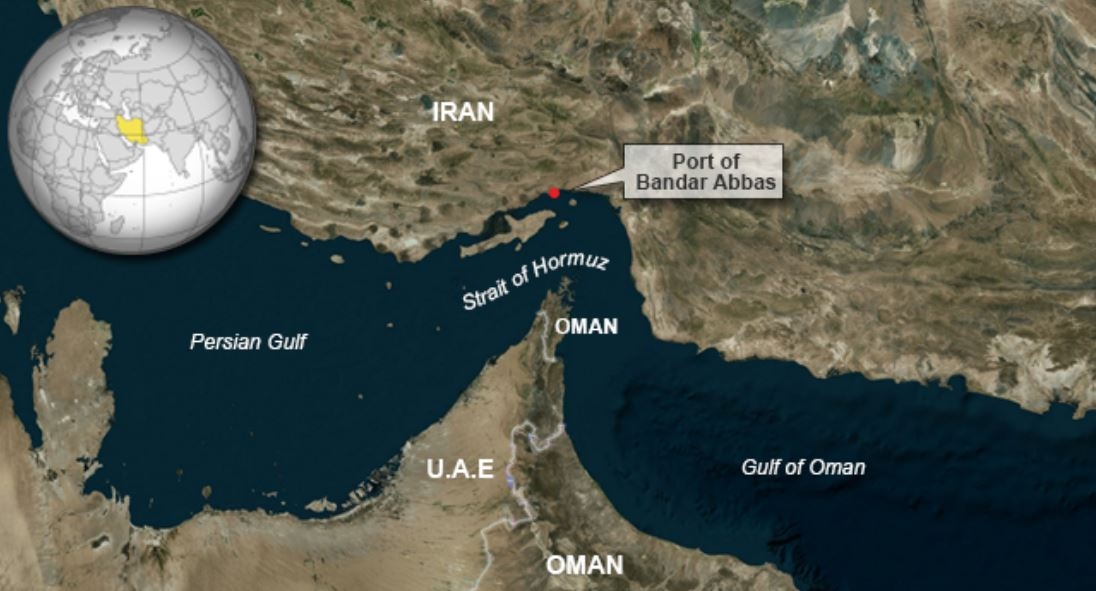
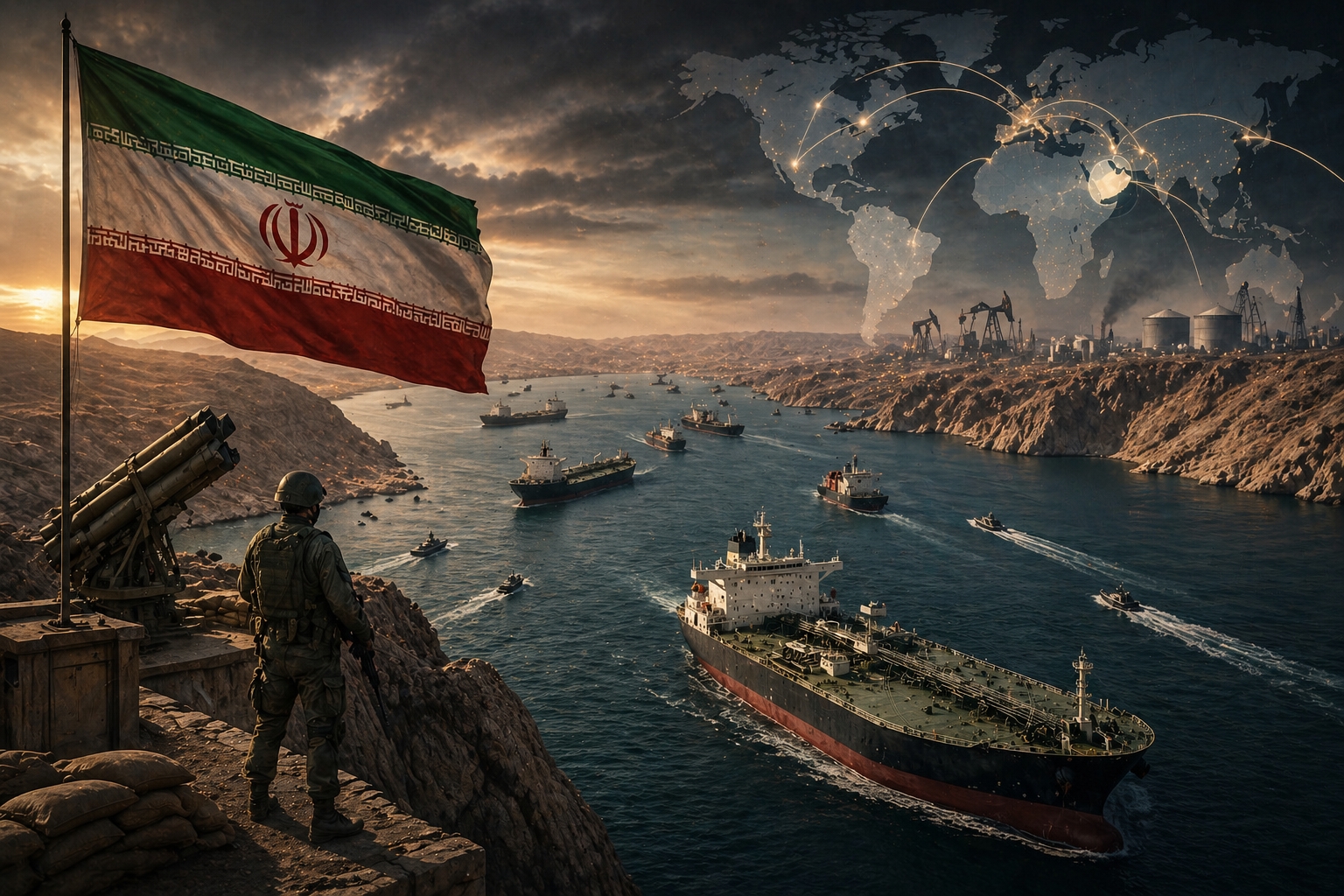
Long before the Strait of Hormuz became a contested waterway and America’s illegal intrusion, the narrow waterway was coveted by empires. It is important to know its history and why it matters.
Attacks on oil tankers and vessels in the Strait of Hormuz can be traced to the “tanker war” between 1981-1988. The western-Arabian-Communist-backed Iraqi-imposed war on Islamic Iran was in full swing. The US wanted to cripple Iran’s economy by attacking its oil tankers.
Islamic Iran has the longest coastline along the Strait of Hormuz. The US lies thousands of miles away yet it wants to control it. Under what law do the American warlords make such a claim, apart from gangsterism and sheer greed? They will not succeed; they must not succeed.
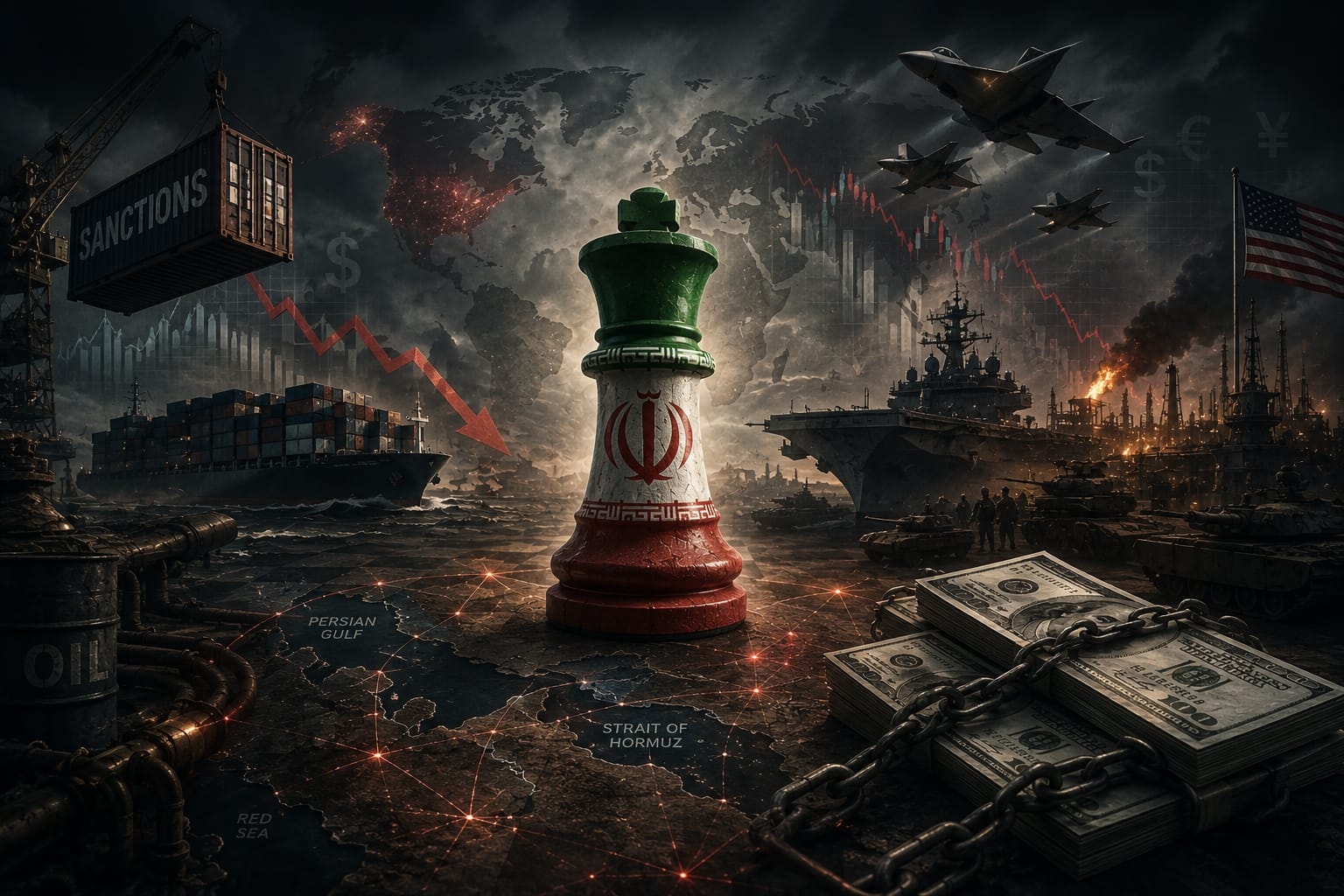
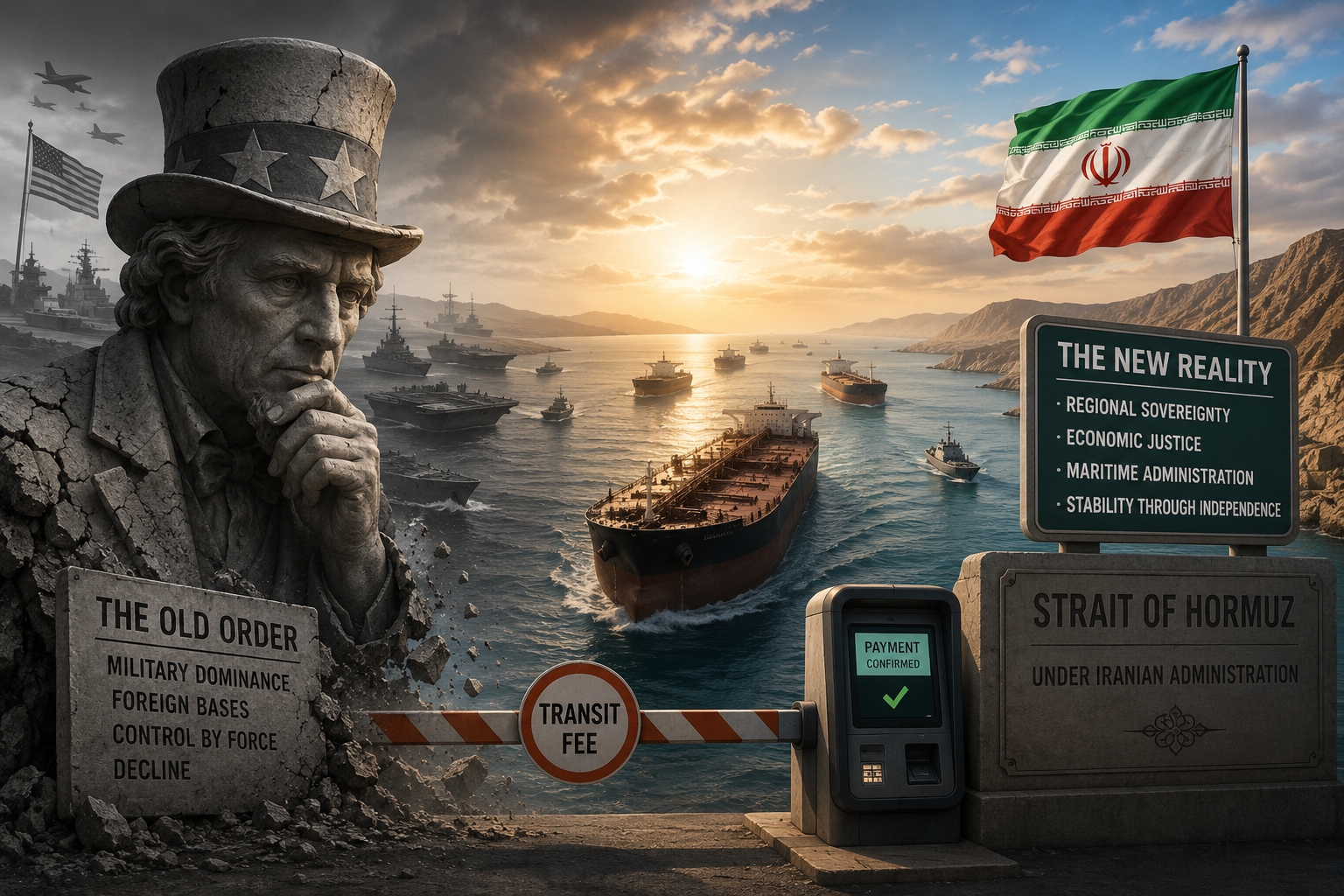
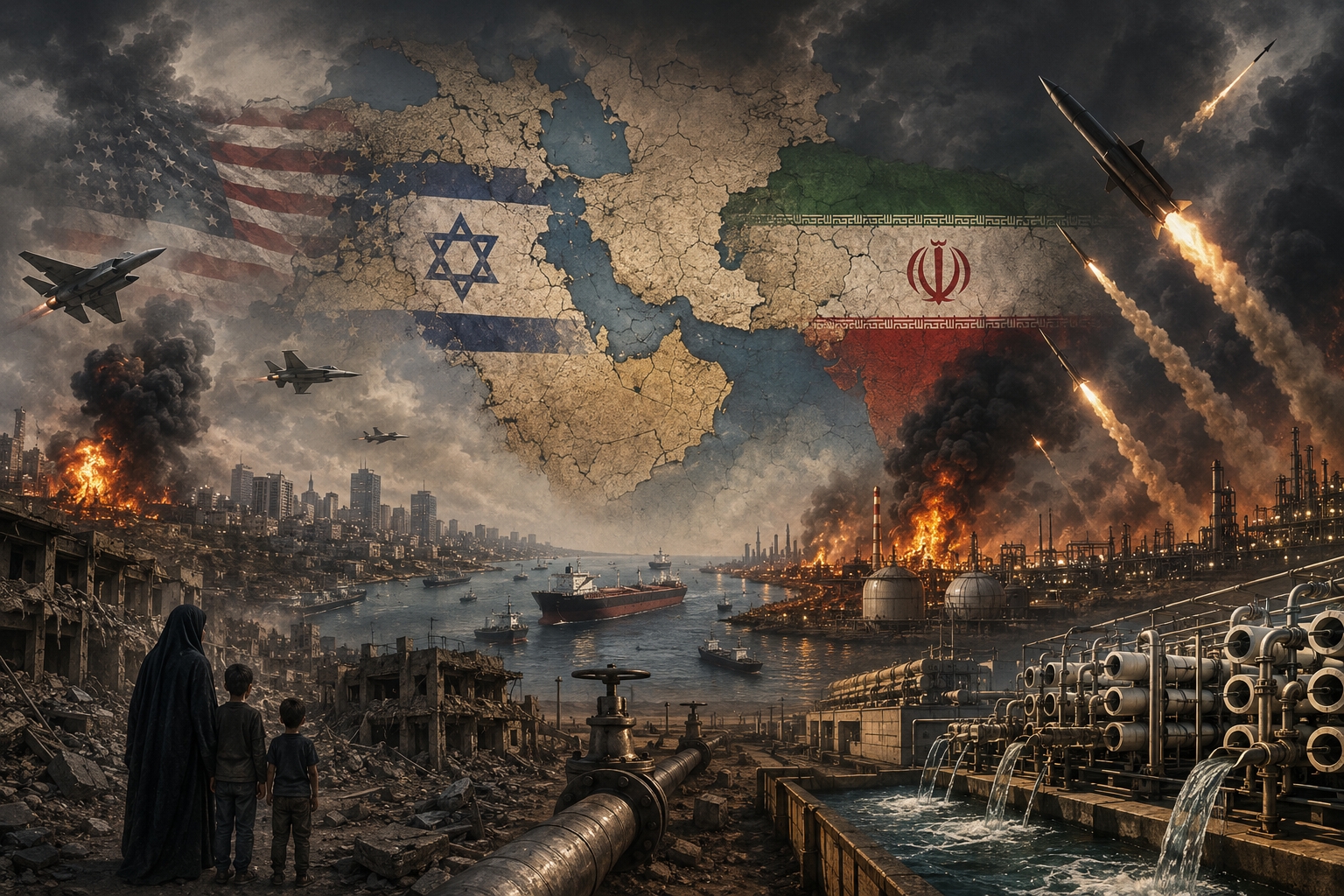
That Islamic Iran won the war—convincingly—against the US and Israel is confirmed by the MoU. Iran can now sell its oil and related products in the international market, sanctions have been lifted, its frozen assets released and it will control the Strait of Hormuz.
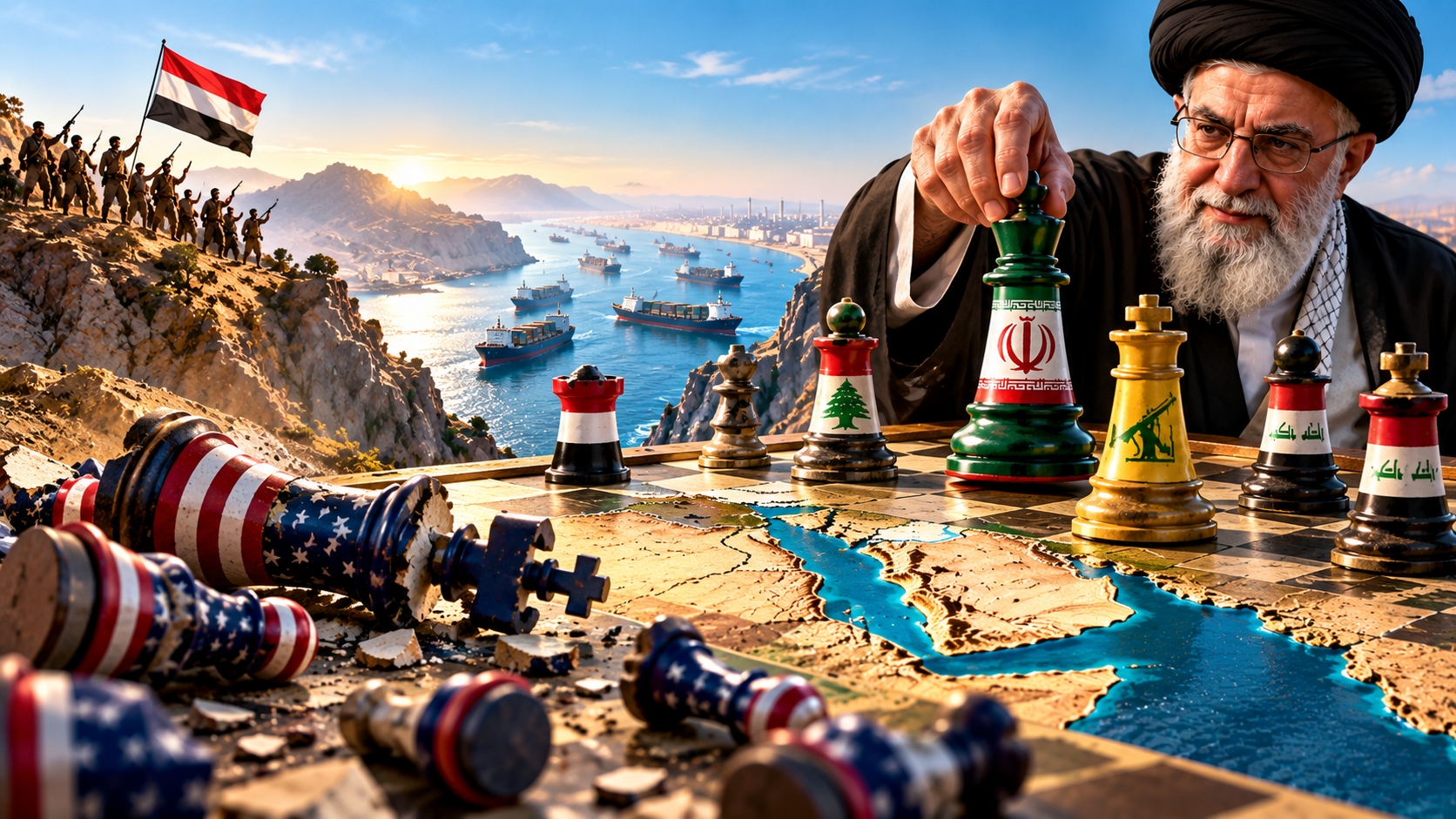
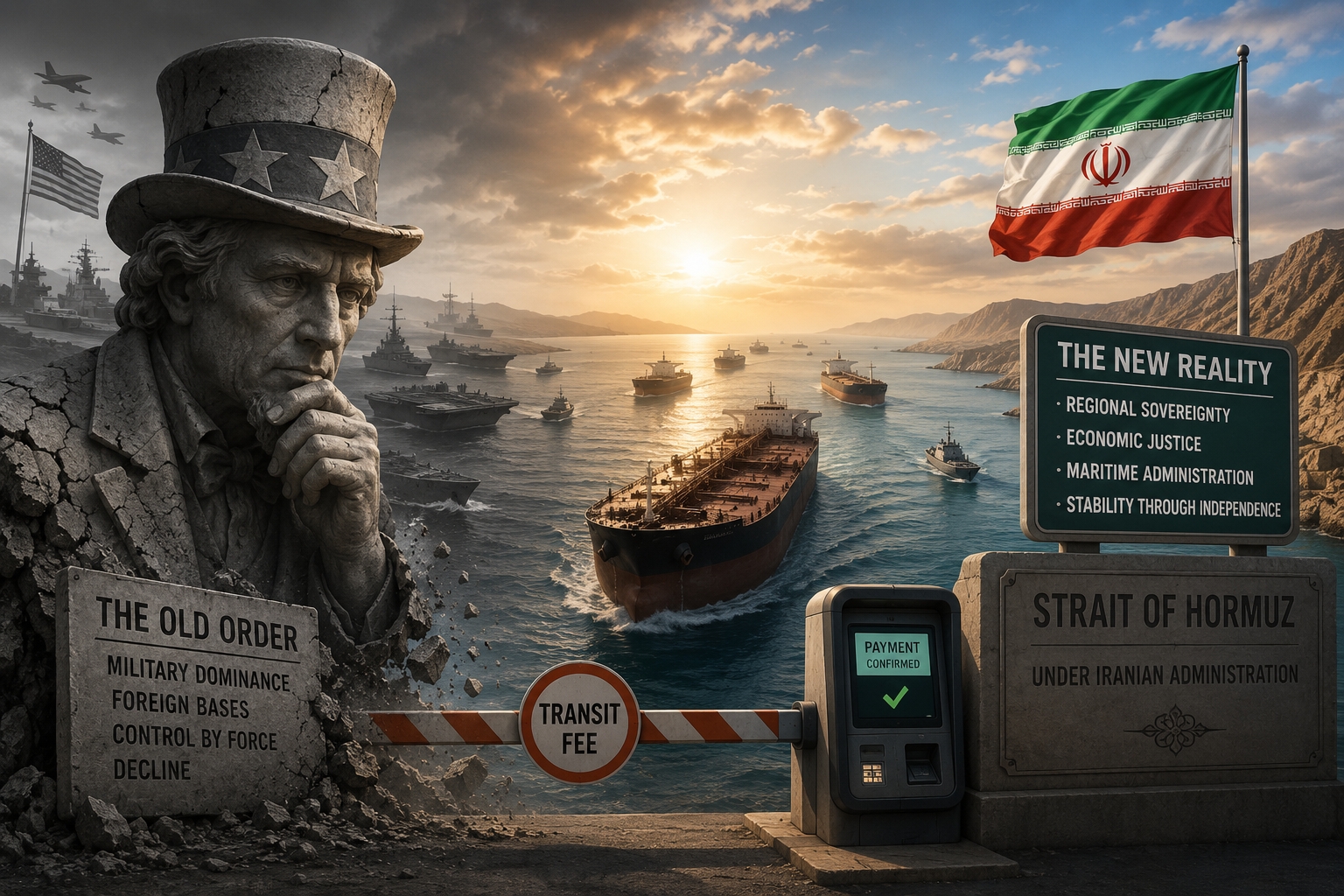
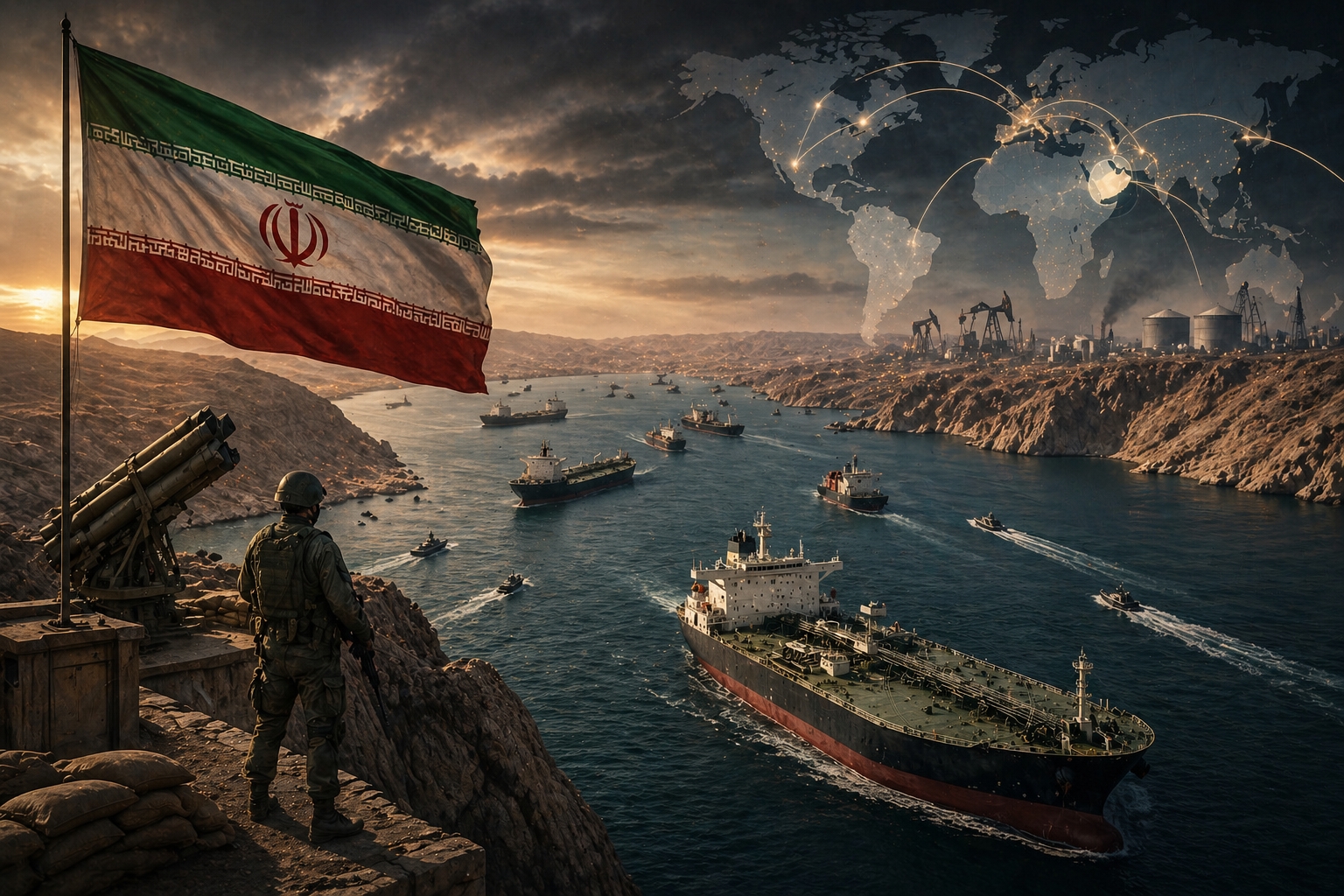
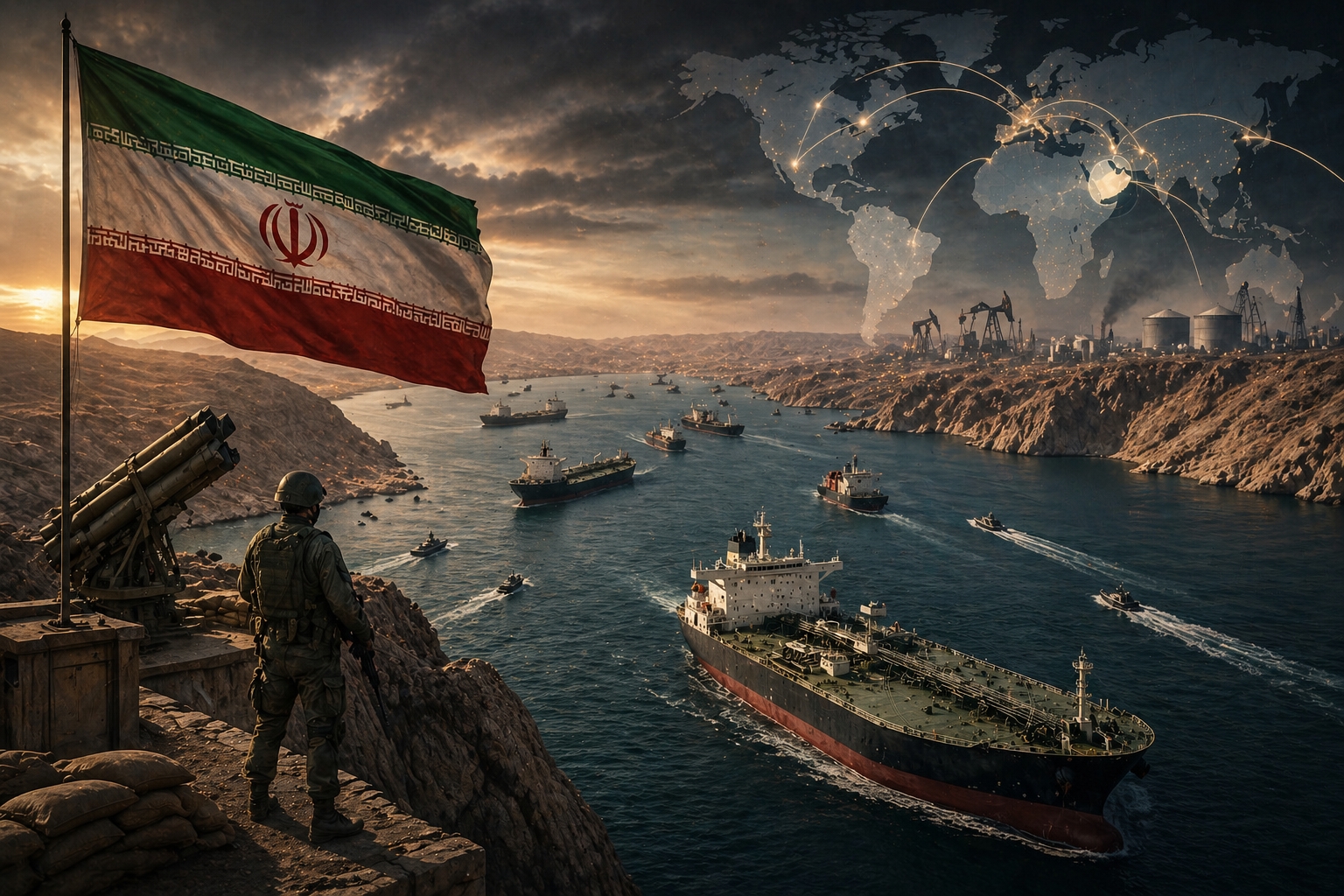
The Strait of Hormuz has become an important weapon in Islamic Iran’s hand vis-à-vis its enemies. On the surface, it now controls tanker traffic and under the sea, it exercises control over data and communications cables. Both are major sources of potential revenue.
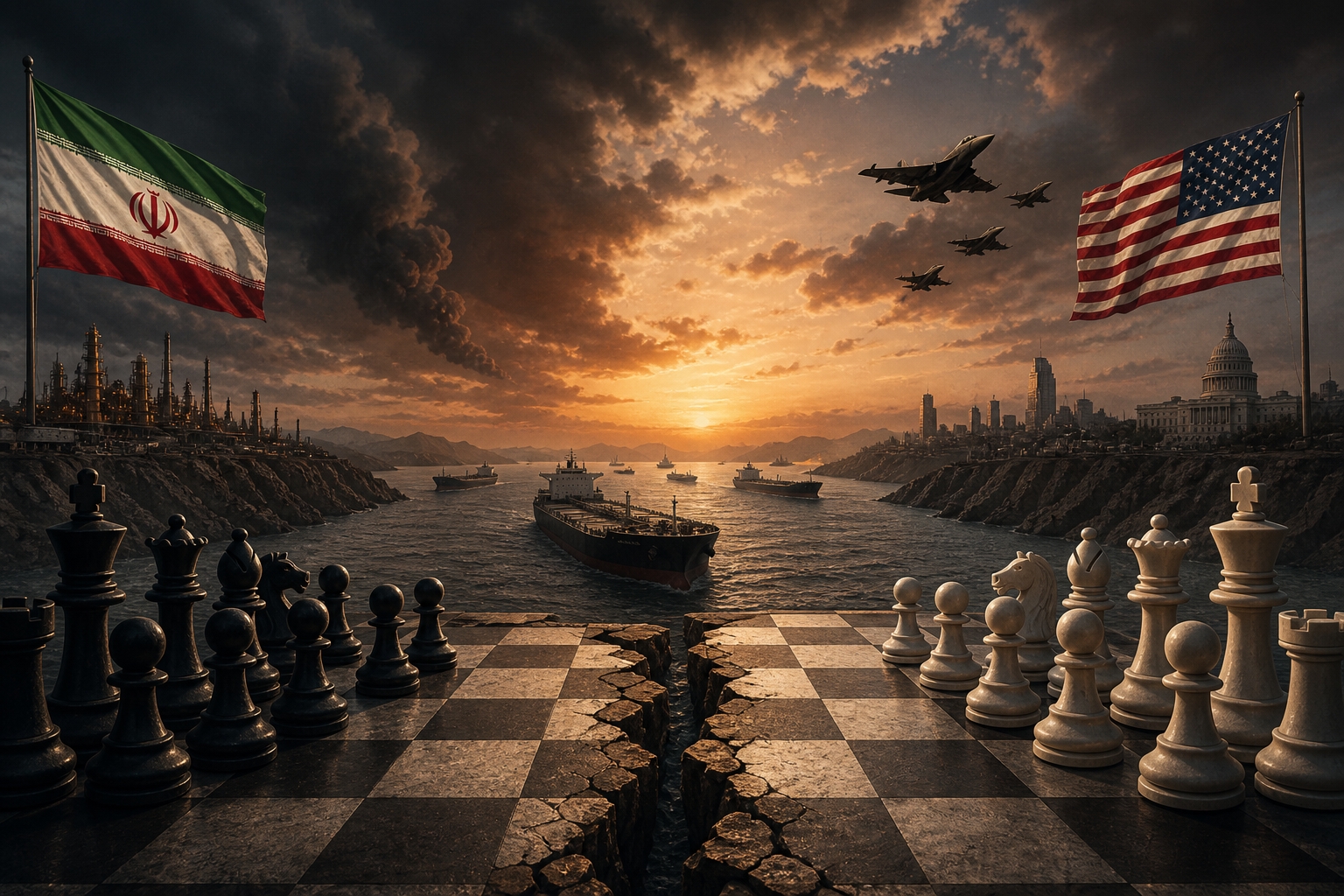
Iran’s control of the vital Strait of Hormuz and its geography give it an advantage that its enemies—the US and zionist Israel—cannot neutralize. Today, Tehran controls the global energy supply and can significantly damage the economies of Europe and US allies.