 Archives
Multimedia
Donate
About
Sign In
Archives
Multimedia
Donate
About
Sign In



The expression “Shari‘ah Law” is used by opportunistic politicians in the US to create fear of Muslims. There is no such thing as “Shari‘ah Law”. Shari‘ah means a path but these ignorant politicians would not know. Their business is fear-mongering.
The Bani Saud erupted from the darkest crevices of the Najdi desert. They have not only distorted the teachings of Islam but were initially British agents and latter become American puppets. Now their American masters also seem to have abandoned them.
Predatory powers like the US and zionist Israel, and before that Britain, France and Germany etc, always assumed that their preponderance of weapons will ensure them victory. History, however, has shown that that is a false assumption. America’s glaring failures are a clear example.
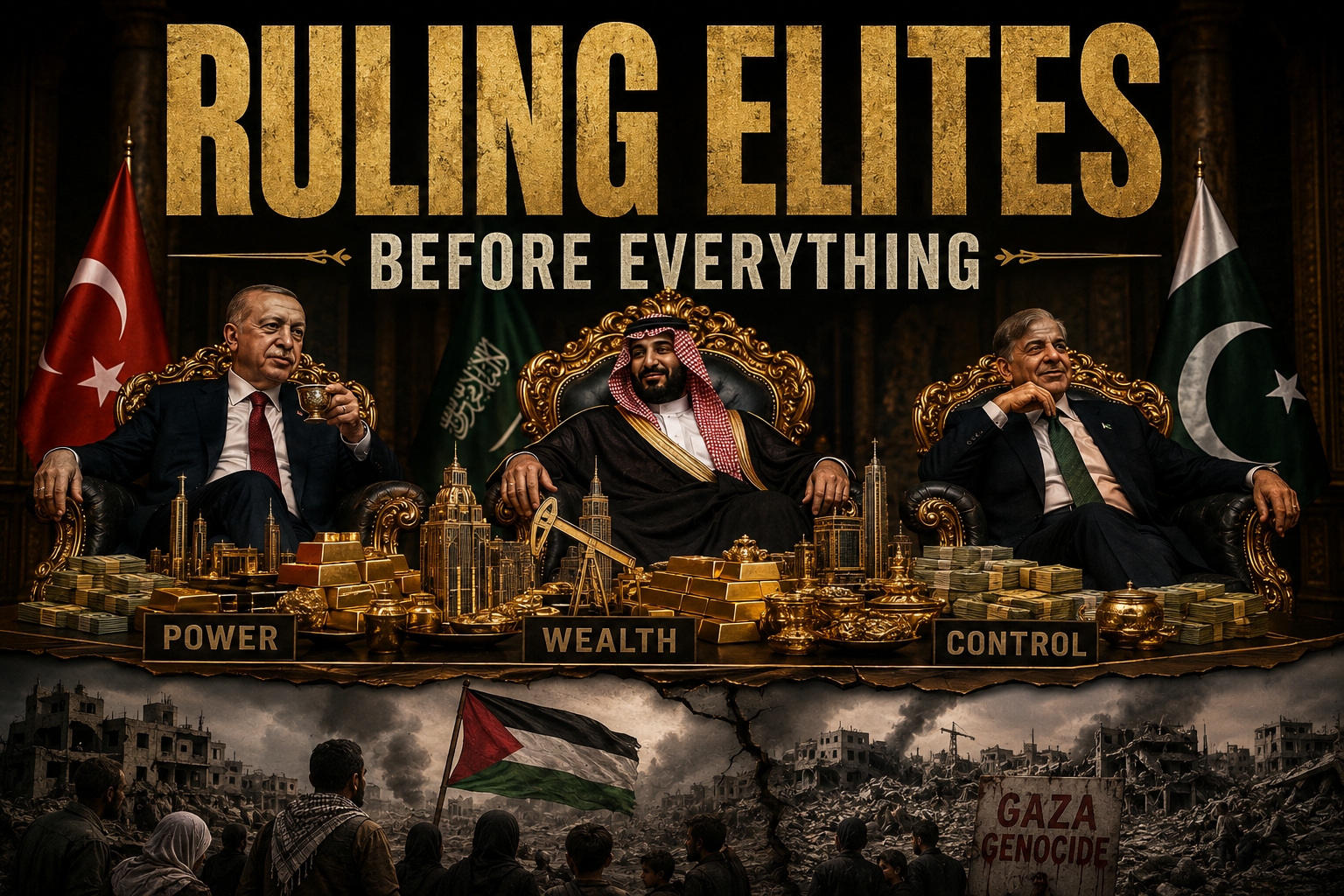
The overwhelming majority of Muslim rulers, especially those in West Asia, are subservient to the imperialists and zionists. At the same time they wrap themselves in Islamic garb to hoodwink their subjects. Muslims are waking up to the reality of their true slave nature.
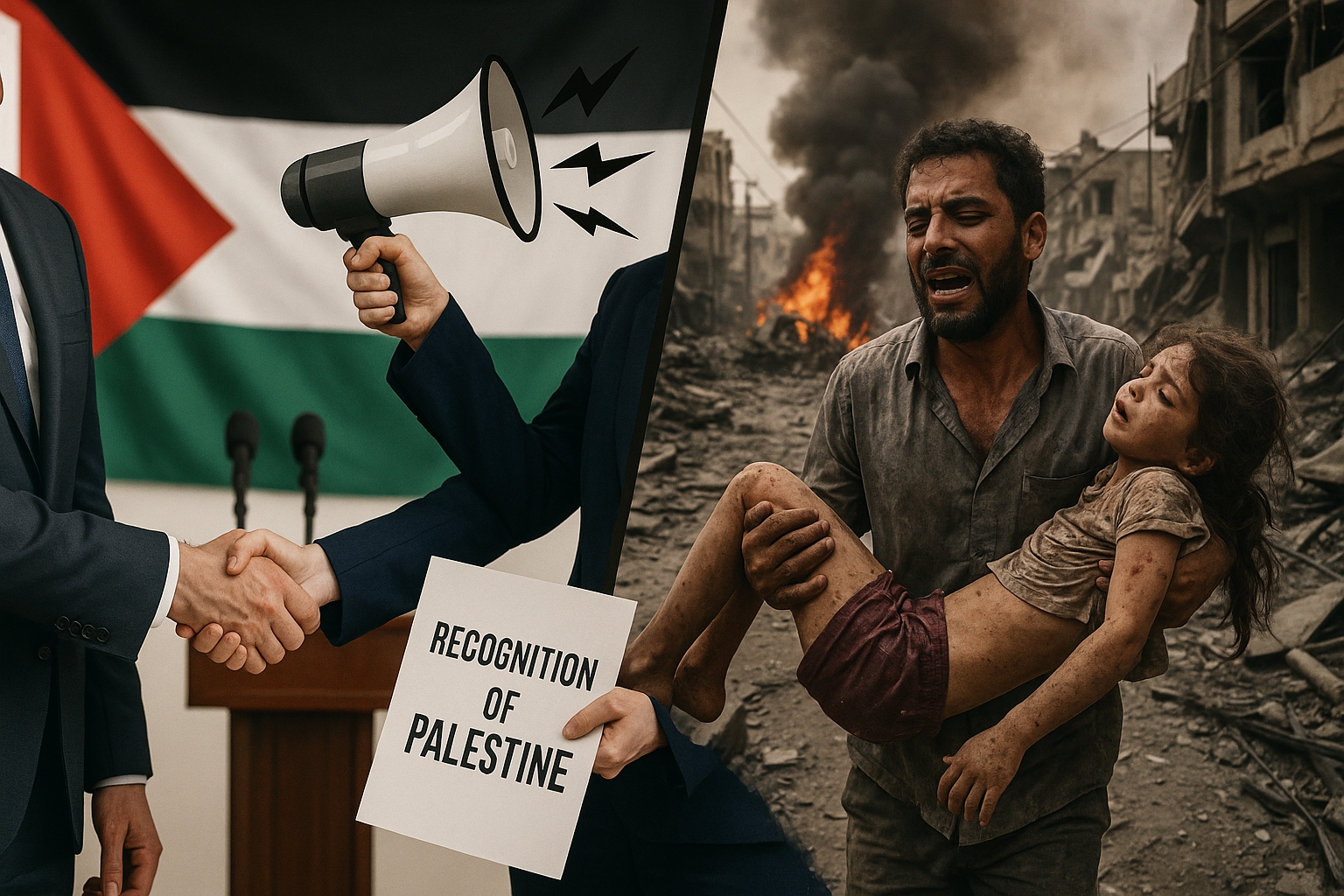
Some Muslims are taken in by western politicians’ criticism of zionist crimes against the Palestinians. A careful examination of the Left’s rhetoric reveals that they are wedded to the “two-state” solution, that essentially accepts Israel’s theft of Palestinian lands.
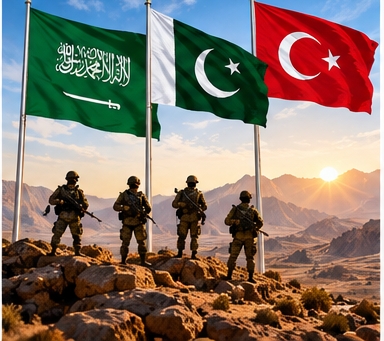
The Saudi-Pakistan-Türkiye military pact confronted its first test in Yemen but it has not met the expectations of the Bani Saud. They were hoping this would deter the Ansar-Allah in Yemen from carrying out operations against the Saudis. It has not worked out.
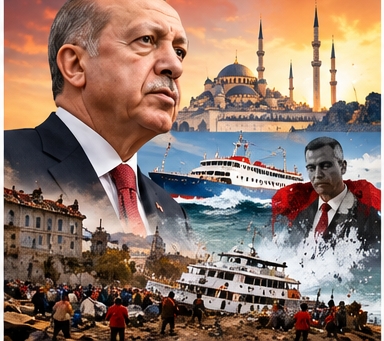
Recep Tayip Erdogan of Türkiye has flip-flopped on policies despite his soaring rhetoric. This was as true of zionist Israel’s murder of Turkish citizens on the Mavi Marmara in May 2010 and Khashoggi’s murder in the Saudi Consulate in Istanbul. His policies are transactional in nature.
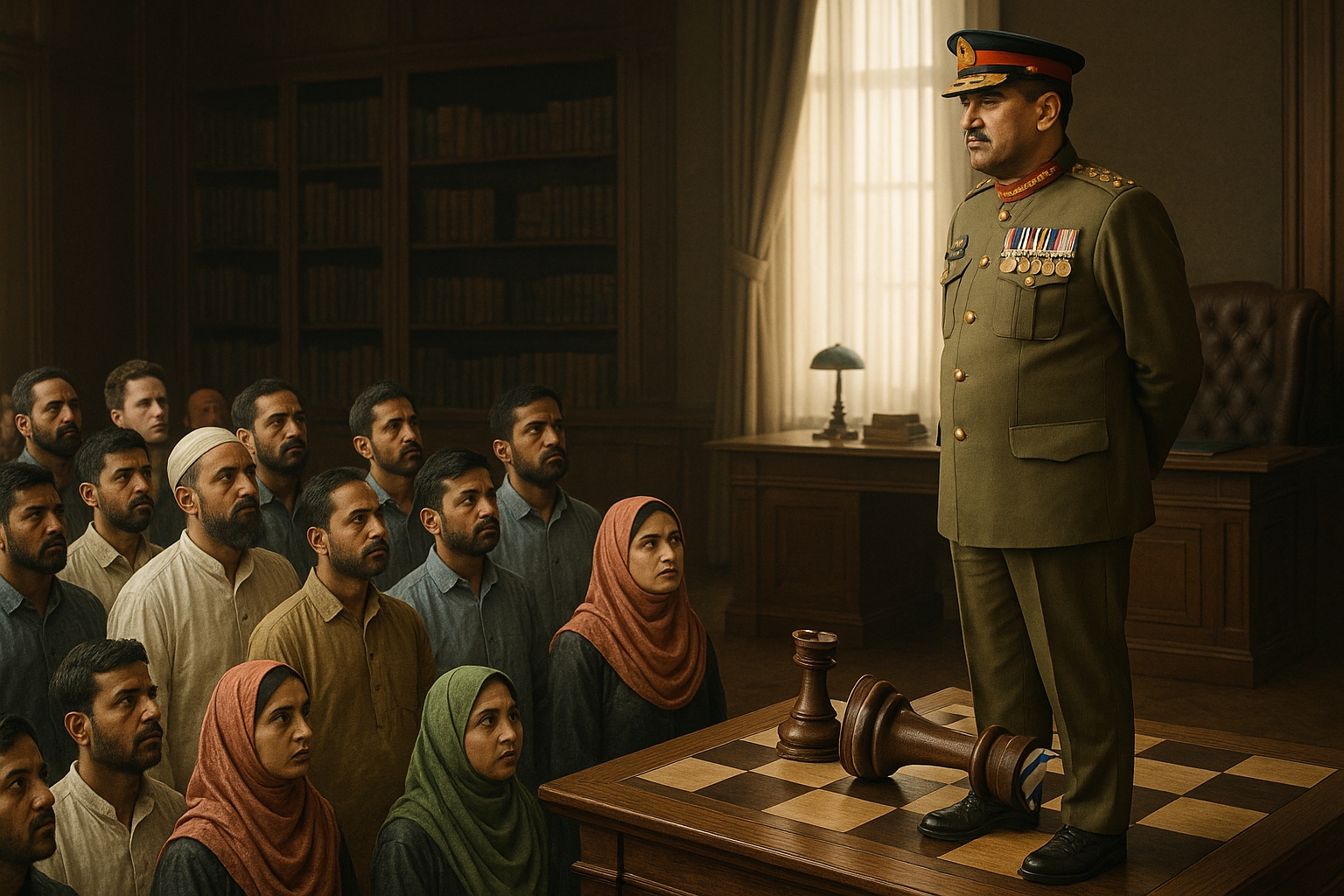
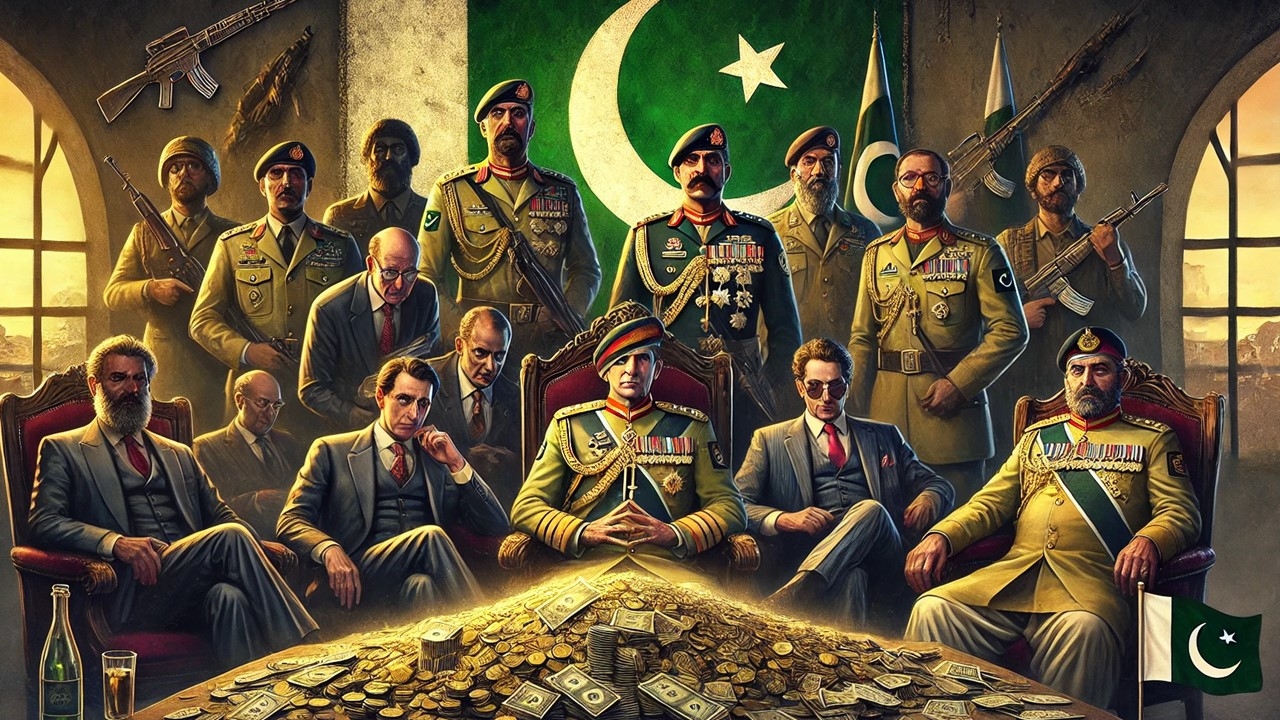
The unfortunate people of Pakistan have long suffered under the heavy boot of the military. Much worse, those who have served Pakistan well have been denounced by the thuggish generals as “traitors” because these sincere leaders have dared criticize the generals.
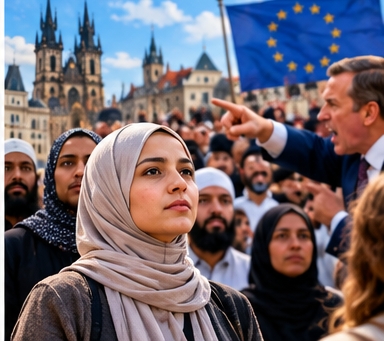
Europe faces many economic and social problems. The rulers, far from addressing these issues, resort to crude propaganda against the Muslims and their symbols. Burqa, hijab and immigration are all hot-button issues but banning them will not solve Europe’s problems.
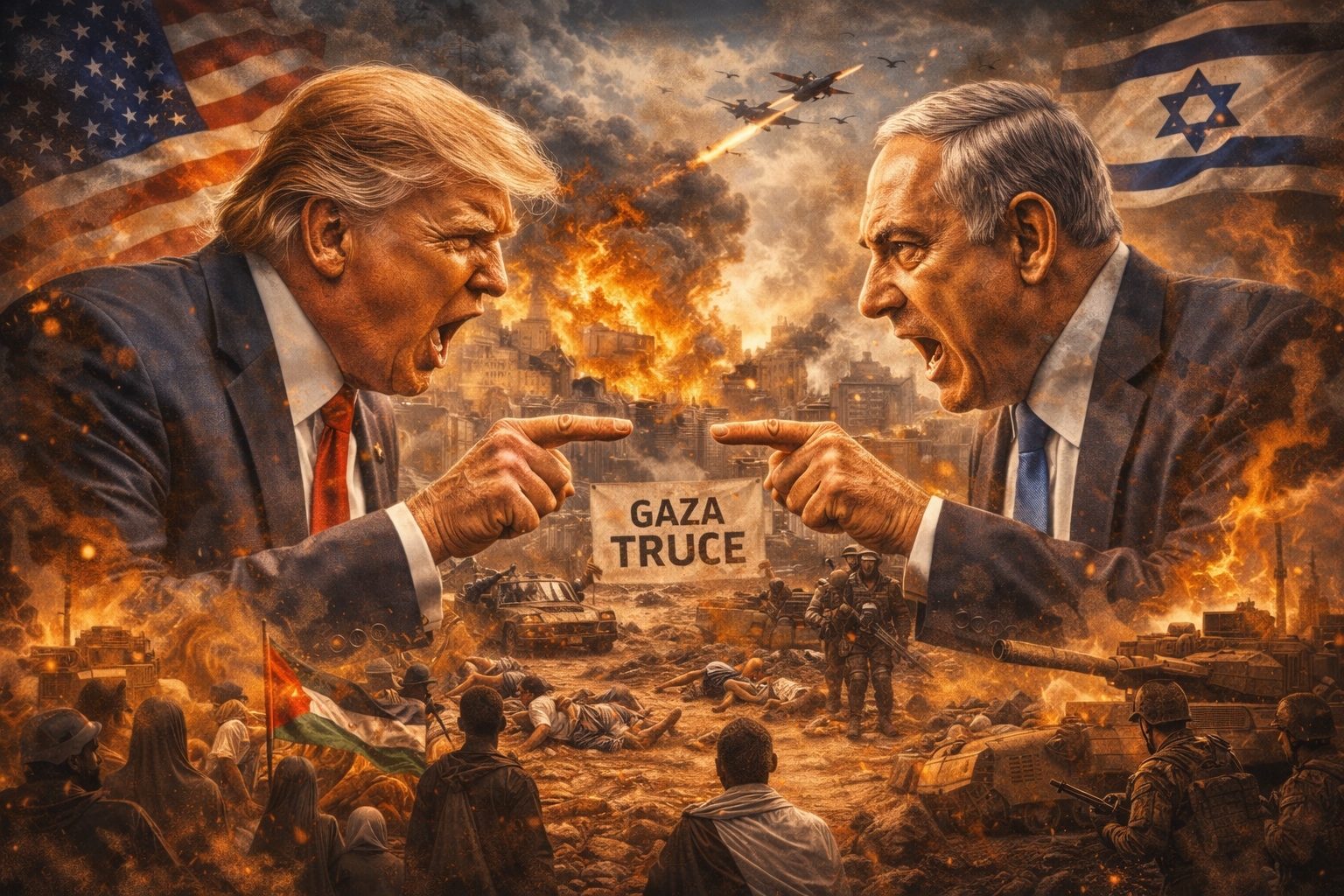
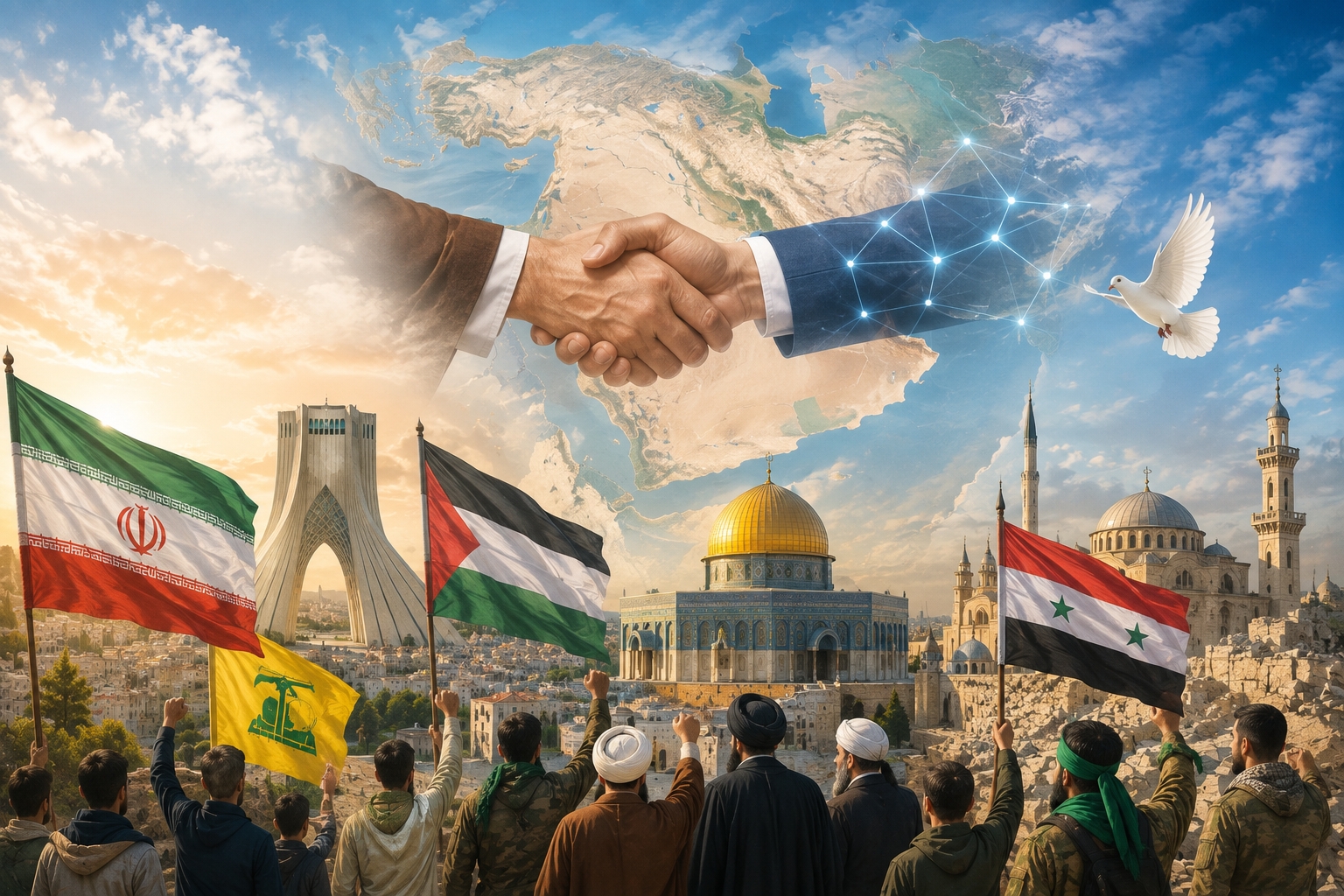
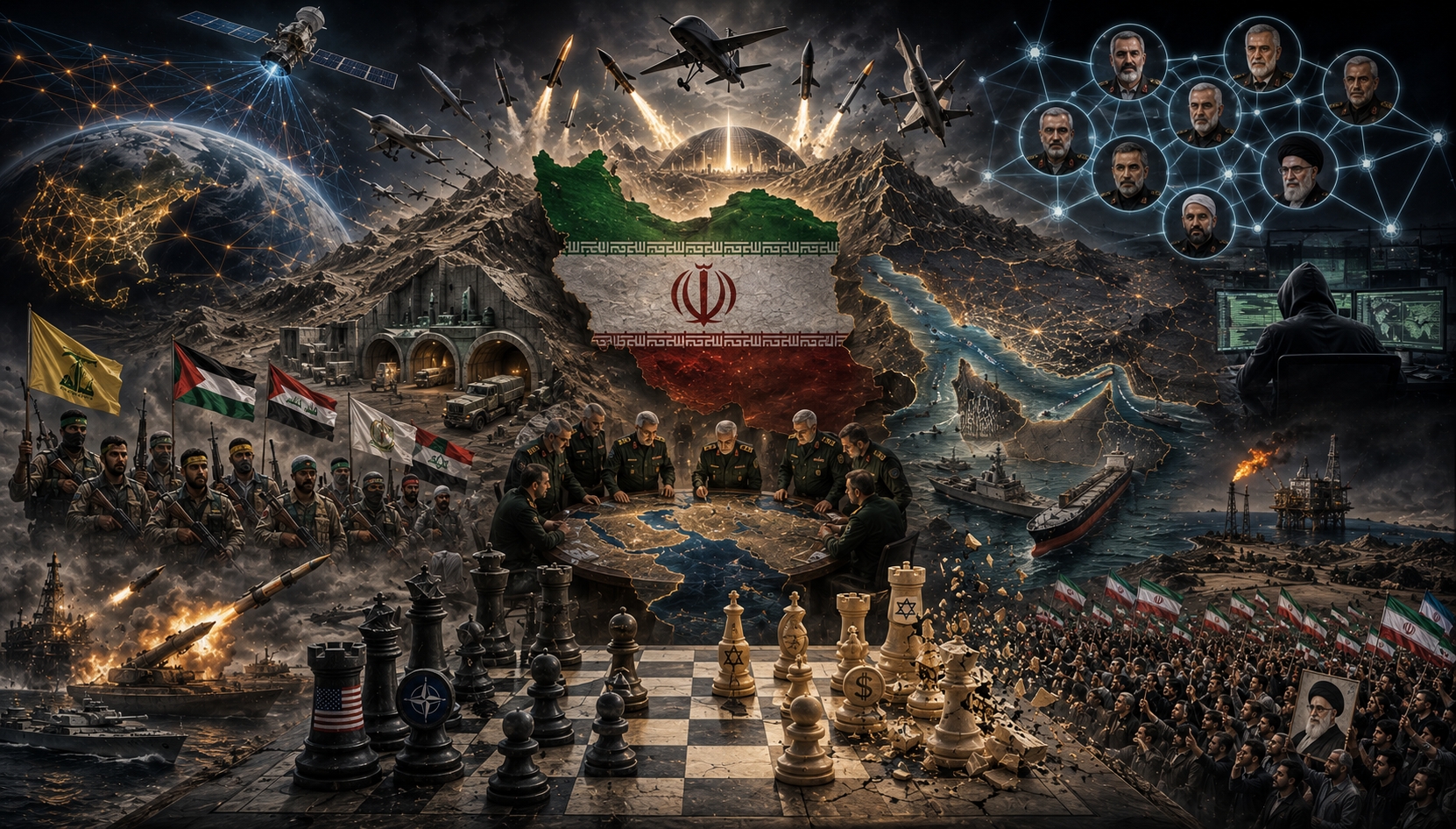
The war criminals Trump and Netanyahu’s failure in their illegal war on Iran has led the evil duo to desperation. It cannot be ruled out that they may stage another 911-type false flag operation and blame it on Iran to get the Americans’ support for continuation of the war.
The Turkiye-Saudi-Pakistan defence pact announced last month is viewed by observers differently. For some it is an alliance against zionist Israel (unlikely), for others, its target is the Yemeni Ansarallah and Islamic Iran (mor plausible). So far, there has been little action.
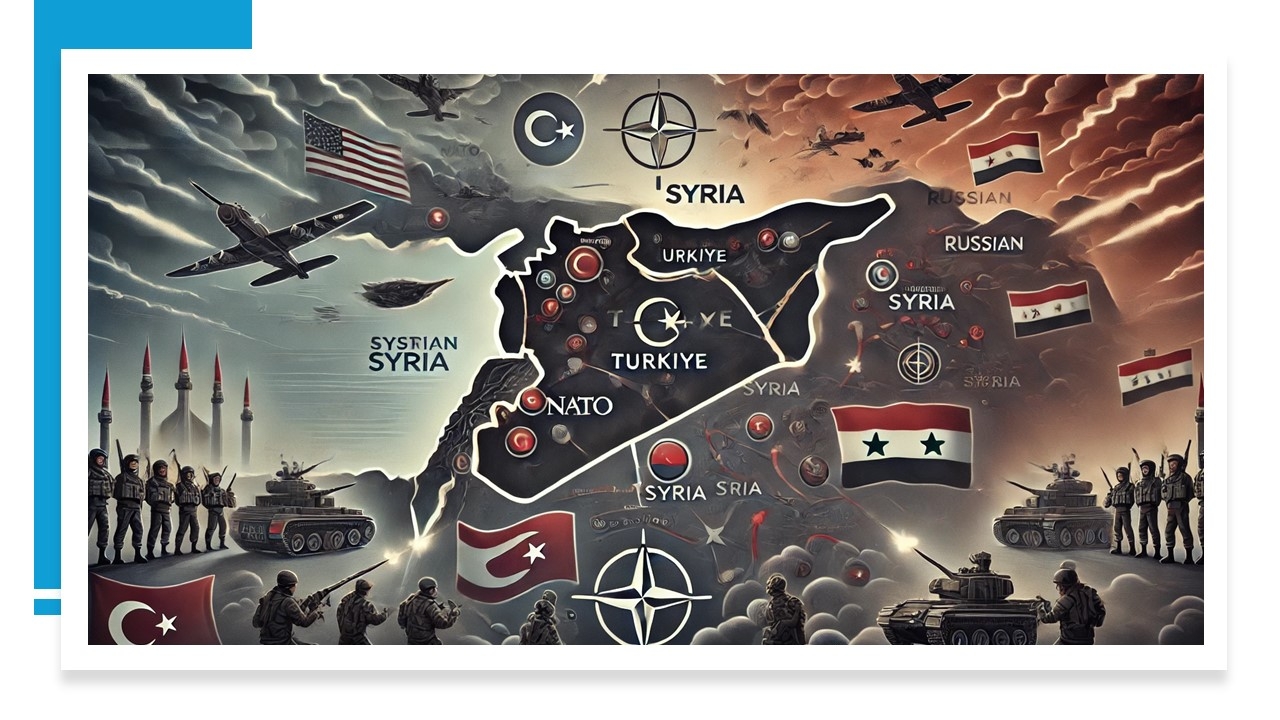
The takfiri rulers of Syria were supported, financed and nurtured by the US, Israel and Turkiye and brought to power in December 2024. Since then, they have done everything to show their subservience to the US and Israel and act against the interests of Muslims.
Pakistanis are a strange breed. Outwardly, they show adherence to the rituals of Islam but their conduct is anything but. Hypocrisy, fraud and crookedness are embedded in their genes. It starts from the top and flows all the way to the bottom. Such people can never make progress.
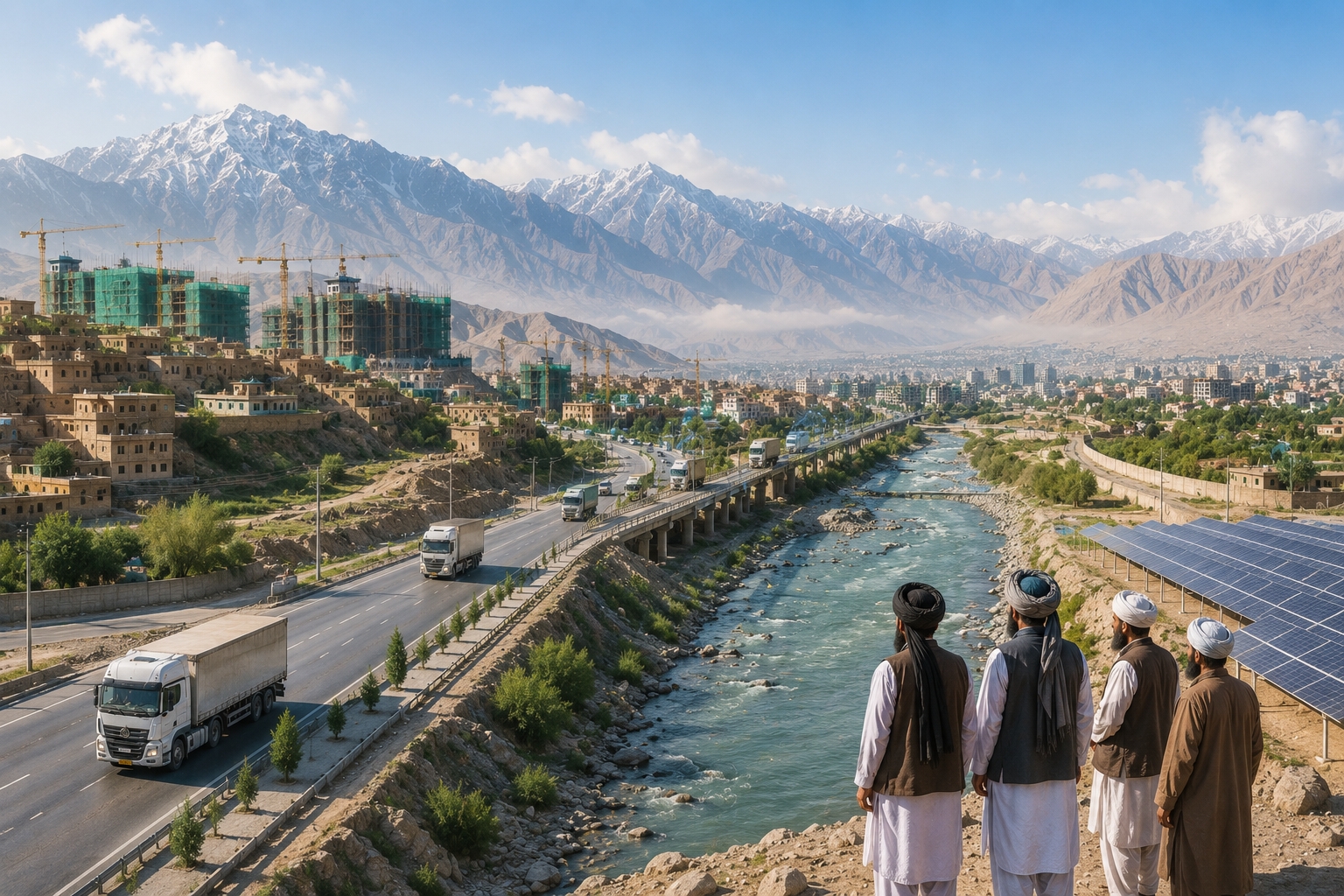
The much-maligned Taliban have managed the affairs of Afghanistan quite well despite extreme external pressure, especially from the US (refusing to pay its $10 billion reserves) and Pakistan that has closed its border with the landlocked country. The Taliban have found new outlets.
Children are the most vulnerable segment of society. During war, they suffer the most. Two case studies are examined—Iraq and Palestine—although in other locales their plight is equally grim. The aggressors take sadistic pleasure in killing children. Palestinian children are especially targeted.
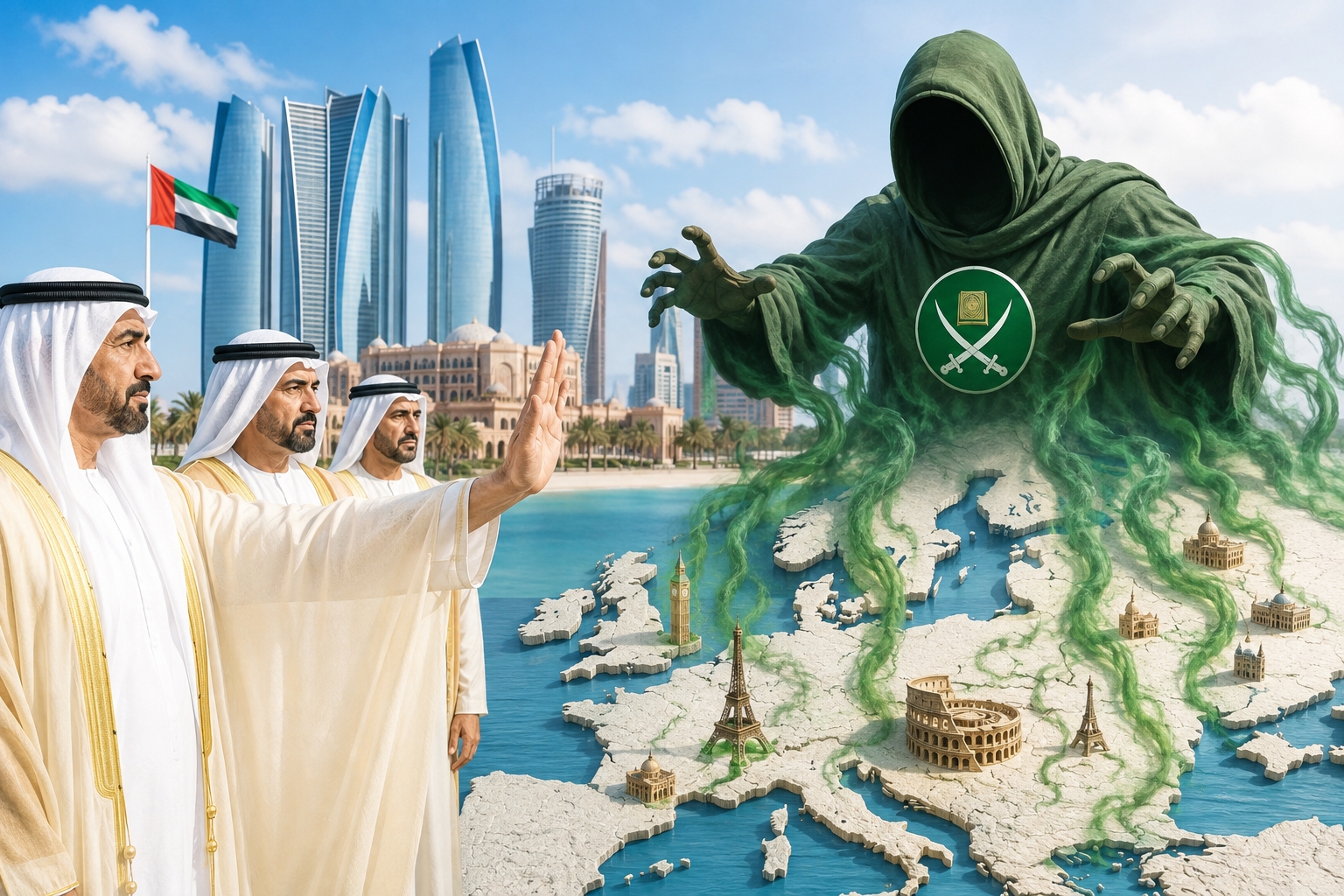
The Bedouin rulers of UAE are extremely hostile to any expression of Islam as a political system. The Ikhwan (Muslim Brotherhood) are their special target. They have now extended their hostile campaign to Europe alleging that the Brotherhood plan to take it over.
In this continuous series of articles, Mohamed Ousman places authority in the context of obedience to Allah and His Prophet. No human being can operate outside this framework and claim legitimacy.
In this concluding article of the 8-part series, bay‘ah, governance, and the Islamic Movement are compared with liberal democratic legitimacy theory. There are fundamental differences between the two.
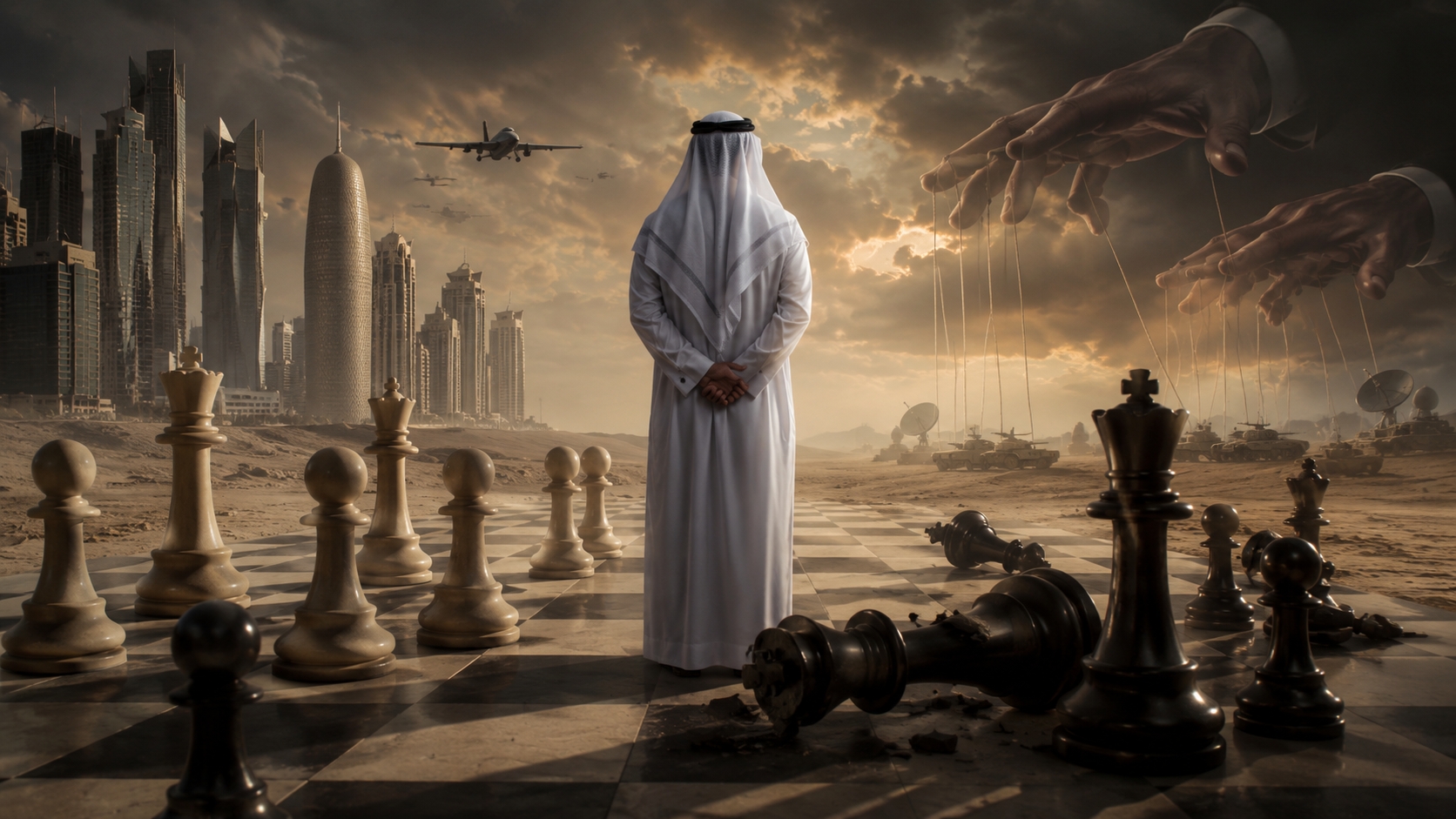
While the Arabian rulers in West Asia are incapable of defending themselves, their reliance on the US and zionist Israel has also proved illusionary. Three countries—Islamic Iran, Pakistan and Turkiye—and potentially Egypt can create stability in the region.
The death of the former Emir of Qatar, Hamad bin Khalifa al Thani would be a non-event except that he launched his tiny sheikhdom on the path of total subservience to the US and zionist Israel. Qatar continues to punch way above its weight and could result in serious negative consequences.