
 Archives
Multimedia
Donate
About
Sign In
Archives
Multimedia
Donate
About
Sign In



 Waseem Shehzad


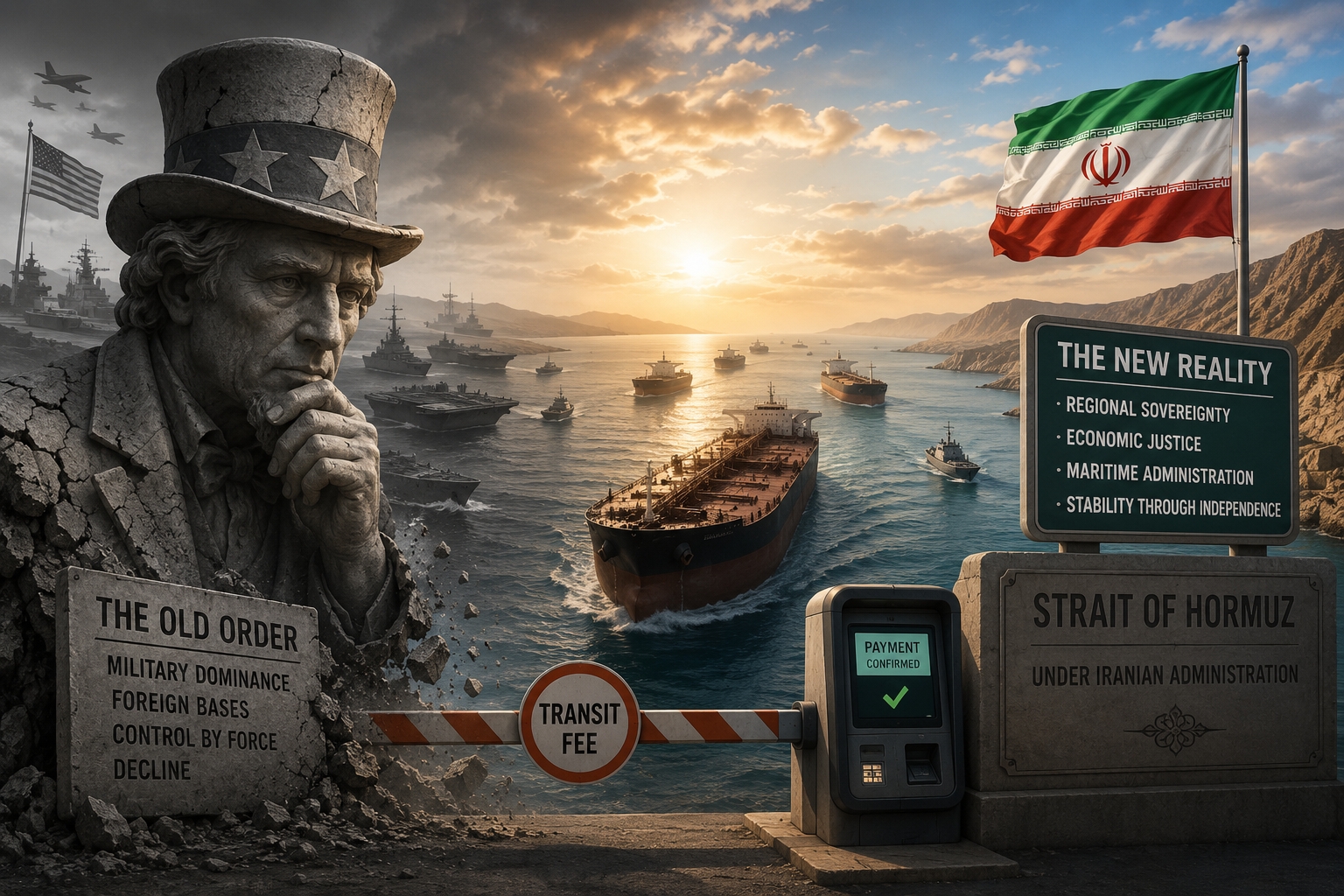
Can the US and the wider west-centric global economy afford a prolonged closure of the Strait of Hormuz?
The short answer is yes, but only in a very narrow financial sense. It is similar to how a prisoner can technically survive on water and dry bread.
Prior to delving deeper into this question, let’s look at the yes side of the issue.
The US possesses greater economic resilience than any other country in the world. It enjoys a special privilege that no other major power has ever possessed to the same degree: the greenback being the world’s primary reserve currency. This allows Washington to finance military operations on a scale that would bankrupt any other country.
It can borrow vast sums, issue treasury securities that remain in high demand globally and when necessary, expand the money supply through its financial system.
Yet this financial advantage has led some observers to a faulty conclusion, that because the US can print endless supply of dollars, it can absorb every economic shock easily or indefinitely.
History and economics suggest otherwise.
The real question is not whether the US can pay for another war or another geopolitical crisis. The more important question is whether money alone can solve disruptions to the real economy.
The answer is a clear no.
Especially considering that Iran’s ability to resist American aggression in West Asia is multidimensional and economic factors in the ongoing regional war are interlinked with military, political and social dimensions. There are certain domains where Islamic Iran has a strong upperhand than many have assumed.
The Strait of Hormuz is not merely another shipping route. It is one of the world’s most strategically important logistical chokepoints. It is not only about oil and energy products anymore. It is now about global logistics and the shipping industry as a whole.
A long closure or a sustained period in which commercial shipping becomes prohibitively expensive because of military threats, insurance premiums, or repeated attacks, will inevitably impact multiple industries simultaneously.
The US enters this scenario with undeniable strengths. The dollar remains the world’s reserve currency. US financial markets remain deep and liquid. American government debt continues to attract global investors, giving Washington immense borrowing capacity.
If the success of military operations were based only on hundreds of billions of dollars, the US could almost certainly finance them without facing an immediate fiscal crisis.
However, financing a war and maintaining western imposed global economic order are not the same thing.
Modern economies do not run on money alone. They run on energy, industrial production, transportation networks, global supply chains, skilled labor and investor confidence. Governments can create liquidity, but they cannot print oil, manufacture additional cargo ships overnight, reopen blocked sea lanes or instantly replace disrupted logistics networks.
A prolonged disruption of Hormuz creates problems that monetary policy alone cannot solve.
While the most discussed immediate consequence is energy, other sectors are also in the process of being damaged.
All of this is taking place as western regimes are already facing significant structural pressures. Europe has undergone a major transition away from inexpensive Russian pipeline gas following the war in Ukraine.
Economic policies chosen to fight an indirect war with Russia in Ukraine consume public resources that might otherwise have been directed toward domestic investment, infrastructure development and debt reduction.
A major economic and infrastructure disruption in the Persian Gulf adds another layer of economic stress to the already struggling western economies.
If commercial vessels face sustained threats while transiting the Strait of Hormuz, shipping insurers will dramatically increase premiums. Some operators may reroute vessels through the Cape of Good Hope or even cancel trade traffic altogether. Delivery times would lengthen beyond break-even point for businesses and manufacturers relying on just-in-time supply chains would encounter irreparable disruptions.
Modern industrial economies are deeply interconnected. A disruption in one strategic maritime corridor will affect factories, ports, retailers, and consumers thousands of kilometers away.
Money alone cannot eliminate these bottlenecks.
Another often overlooked dimension is international capital.
For decades, western-backed GCC regimes have accumulated substantial amounts of money and invested hundreds of billions of dollars in western economies through sovereign wealth funds, government bonds, infrastructure and financial institutions.
Regional conflict which is in the process of damaging their critical infrastructure, will force these regimes to send less money to the west. Reduced capital flows will add another headwind for western economies already facing serious problems.
This illustrates an important economic principle. The greatest risks rarely arise from a single shock. Rather, they emerge when several problems begin reinforcing one another.
Higher military spending coincides with elevated public debt. Higher energy prices contribute to inflation. Inflation sustains higher interest rates. Higher interest rates increase government debt servicing costs. Supply-chain disruptions reduce productivity while increasing production costs. Reduced investment weakens long-term growth. Each individual challenge may be manageable; together they create structural pressure that is far more difficult to offset.
History provides an instructive parallel.
Britain did not lose its position as the world’s leading power because of one failed military operation.
By the end of the second European War, Britain remained a formidable military power, but it was already burdened by enormous wartime debts, slower economic growth, and heavy financial costs of maintaining a global empire.
The 1956 Suez Crisis did not create Britain’s decline. Rather, it exposed structural weaknesses that had accumulated over many years. When financial pressure mounted and the United States refused to support the British pound, London lost its hegemony. Historians widely regard Suez as the moment Britain publicly ceased to function as an independent global hegemon.
Today, there are many parallels between the Suez Crisis and Iran’s assertion of its sovereignty over the Hormuz Strait.
It is not necessary that the US will follow Britain’s exact path of decline.
America’s economy is significantly larger, more diversified, and supported by the unparalleled advantage of the dollar as reserve currency. The lesson is that hegemonic powers rarely encounter strategic limits because they suddenly run out of money. More often, those limits emerge when multiple economic and geopolitical pressures gradually reduce their room for maneuver.
Can the US afford a prolonged closure of the Strait of Hormuz?
Financially, yes. It possesses extraordinary capacity to absorb shocks that would overwhelm almost any other country. However, economics and geopolitics are not about finances alone.
The cumulative effect of pressures related to Iran’s valiant and well planned resistance is in the process of building a perfect economic and geopolitical storm for ending American economic resilience.
A recent Pew Research Centre survey found that people in most of the 36 countries surveyed now view China more positively than the US. This is another reminder that the world is moving beyond a west-centric order. An order which Iran’s assertion of sovereignty over the Hormuz Strait is going to speed up in an unprecedented manner.

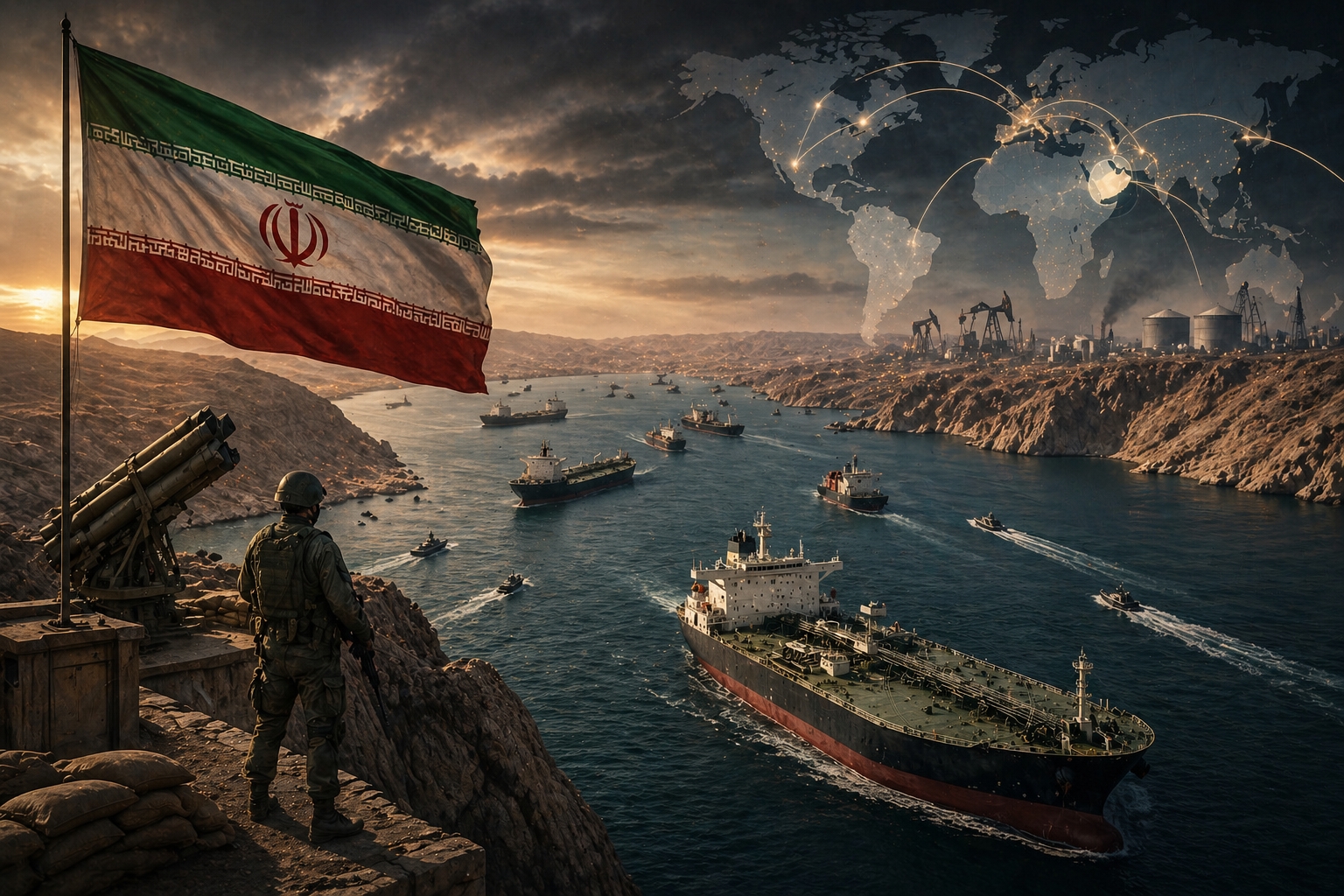
Attacks on oil tankers and vessels in the Strait of Hormuz can be traced to the “tanker war” between 1981-1988. The western-Arabian-Comm...
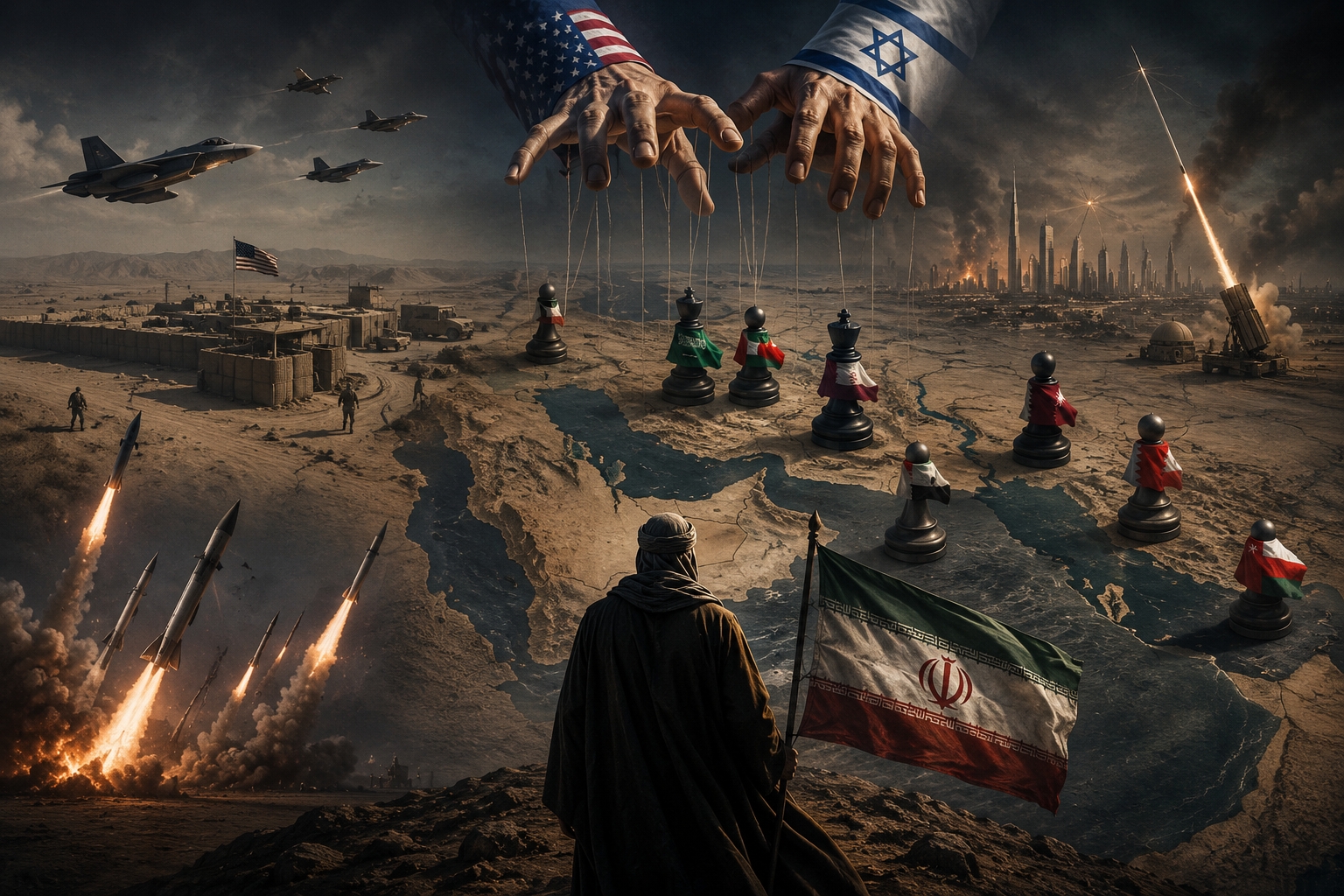
Islamic Iran has the longest coastline along the Strait of Hormuz. The US lies thousands of miles away yet it wants to control it. Under wha...
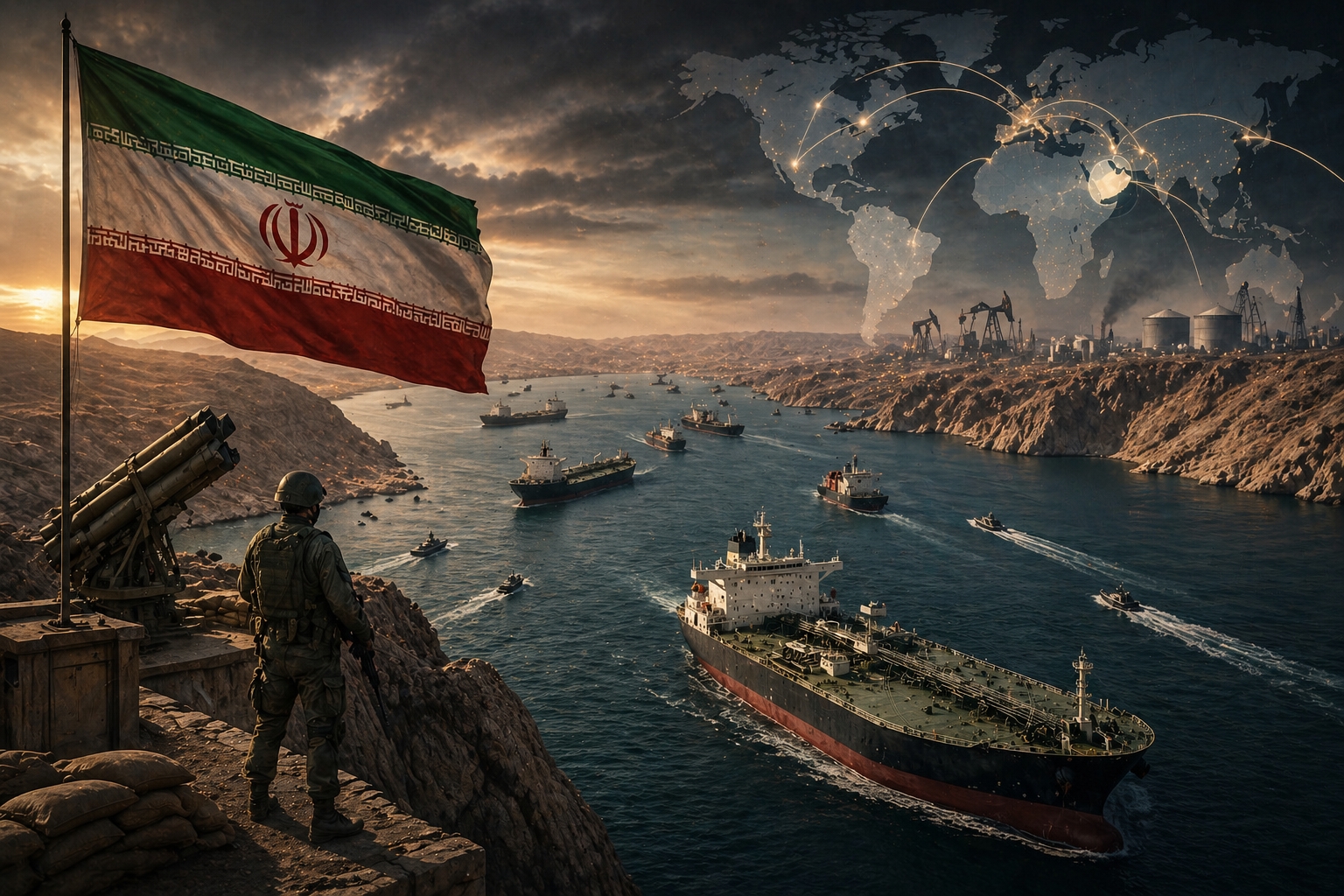
The Strait of Hormuz has become an important weapon in Islamic Iran’s hand vis-à-vis its enemies. On the surface, it now controls tanker ...
By controlling shipping through the Strait of Hormuz, the Islamic Republic has Trump by the throat. Oil prices and, therefore, prices of foo...