 Archives
Multimedia
Donate
About
Sign In
Archives
Multimedia
Donate
About
Sign In



 Editor


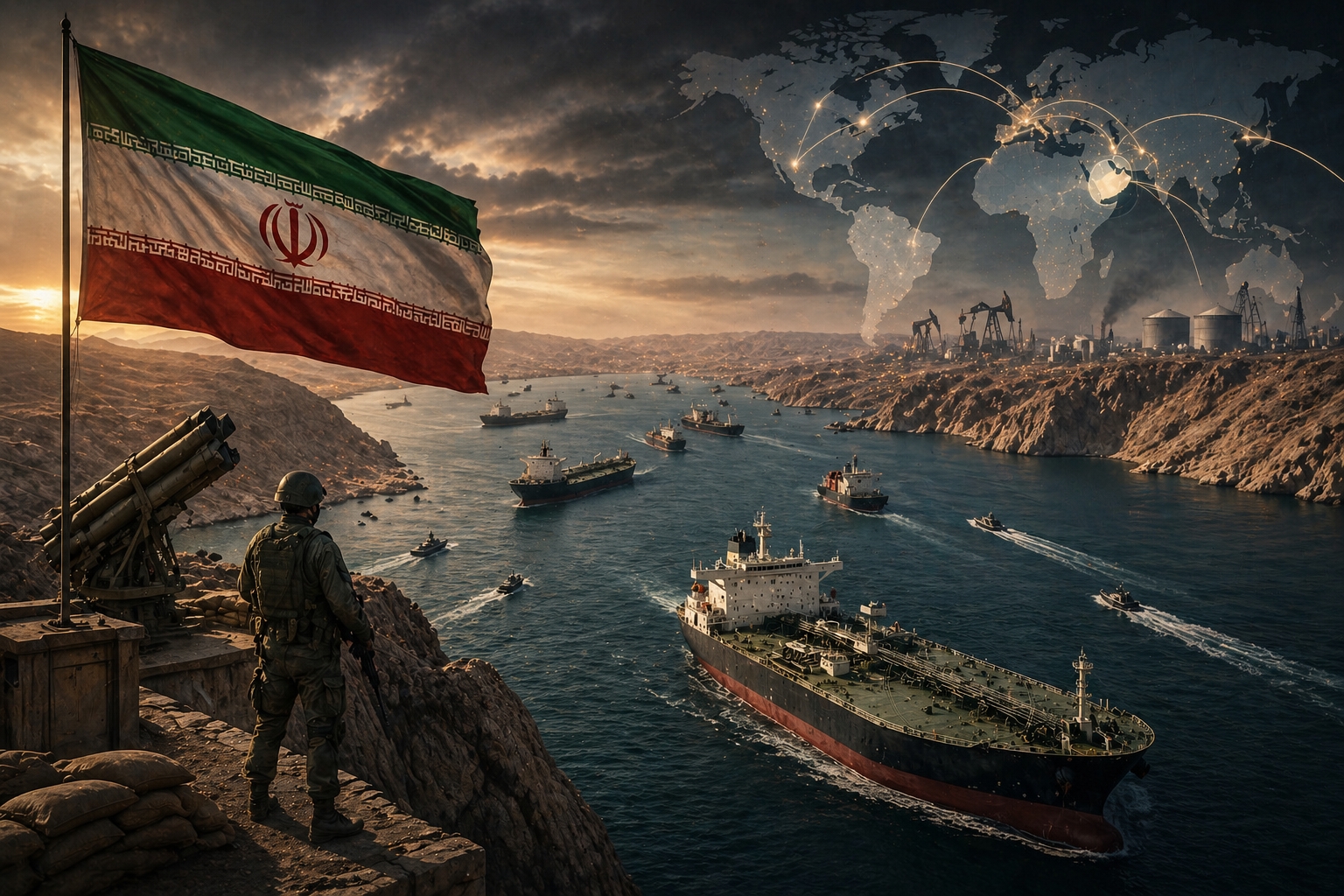
The world has already experienced Islamic Iran’s blockade of tankers from hostile countries through the Strait of Hormuz. The narrow waterway is open to shipping from friendly countries.
The result has been a major surge in oil prices globally. This has led to much higher food prices, especially in the US. There is a cascading effect on prices of other goods as well.
For a narcissist like Donald Trump, it has caused huge problems. But shameless as he is, he stubbornly refuses to acknowledge that the average American consumer is affected. He even dismissed the question as to whether he thinks about the Americans’ financial situation as a result of his irrational policies. “I don’t think about Americans’ financial situation,” he said with his customary arrogance.
In his inaugural address in January 2025, he had promised to bring down the prices of all goods including food, fuel and electricity. He had even said he would be a “president for peace”.
He has been anything but. His contradictory messages on the media platform, Truth Social (in reality, Lies Total), he keeps changing his mind every few minutes, every single day.
Ordinary Americans are extremely frustrated and angry with his antics. This is reflected in Trump’s approval ratings nose-diving. Even his MAGA base is souring on him. His ratings are the lowest of any American president in history.
Iran has now discovered an even more potent weapon in addition to restricting tanker traffic through the waterway: undersea cables in the Strait of Hormuz. They carry vast internet and financial traffic between Europe, Asia and the Persian Gulf. It amounts to trillions of dollars annually.
In addition to announcing fees for tankers passing through the narrow waterway, Islamic Iran has said it will charge the world’s largest tech companies for using the internet cables laid on the seabed. SWIFT data is also transmitted through these cables.
Iran is denied access to the SWIFT system. As a consequence, it cannot receive payments from banks abroad or make payments for purchases. It will be poetic justice if Iran were to block SWIFT messaging through cables under the Strait of Hormuz.
Charging fees for underwater internet cables has been discussed both in Iran’s parliament as well as by Iran’s military spokesperson Colonel Ebrahim Zolfaghari. He annouced on X in early May, “We will impose fees on internet cables.”
Iranian media outlets also reported that Tehran’s plan to extract revenue from the strait would require companies like Google, Microsoft, Meta, and Amazon to comply with Iranian law. Companies with underwater cables would be required to pay licensing fees for cable passage. Repair and maintenance rights would also belong exclusively to Iranian firms.
While western media outlets are trying to downplay the significance of Iranian demands, calling them posturing, Tehran is serious. The fact that no fee was charged in the past for these cables does not mean this situation can continue indefinitely.
Given that trillions of dollars in global data transmission are involved, major companies may decide it is best to pay the fees than face disruption of service. At risk would be everything from banking systems, military communications and AI cloud infrastructure to remote work.
Underwater cables form the backbone of global connectivity, carrying the vast majority of the world’s internet and data traffic. Iran has discovered two major tools—referred to by some commentators as “economic nuclear bombs”—tanker traffic through the strait and underwater communications cables.
Before the US and Israel launched their unprovoked war on Iran on February 28, there was vague talk in Tehran that it would block the Strait of Hormuz. The general understanding was that Iran would sink a few tankers in the narrow waterway and block all shipping. The other option was to lay mines.
Iranian decision-makers came up with something much more sophisticated. Instead of blocking the strait completely, they introduced selective restrictions. This has served them well.
Between the two restrictions: controlled passage for tankers and commercial ships on the waterway and fees for underwater cables, Tehran’s plan is to impose huge costs on the global economy. This will deter future attacks on Iran.
And Tehran has not even activated any restrictions in the Red Sea through its Yemeni allies, the Ansarallah. If the two outlets are blocked, the world would be brought to a standstill.
Neither the US nor its zionist ward has any solution for these challenges. Both America and zionist Israel have exhausted their stocks of interceptor missiles.
By the judicious use of drones and missiles, Islamic Iran made sure that these interceptors are used at an accelerated rate. They cannot be replenished quickly. Thus, the two predatory powers are left virtually defenceless while Islamic Iran has ramped up production of its missiles and drones.
For the first time in contemporary history, both the US and Israel have been left quite vulnerable. They rely heavily on technology and military hardware. Without such war materials, they are unable to fight or bully opponents.
Islamic Iran holds the upperhand. It has emerged not only as a regional power but as a global power. This is a welcome development because Iran operates on the basis of fairness and justice. American and Israeli gangsterism has finally found a match in Iran.

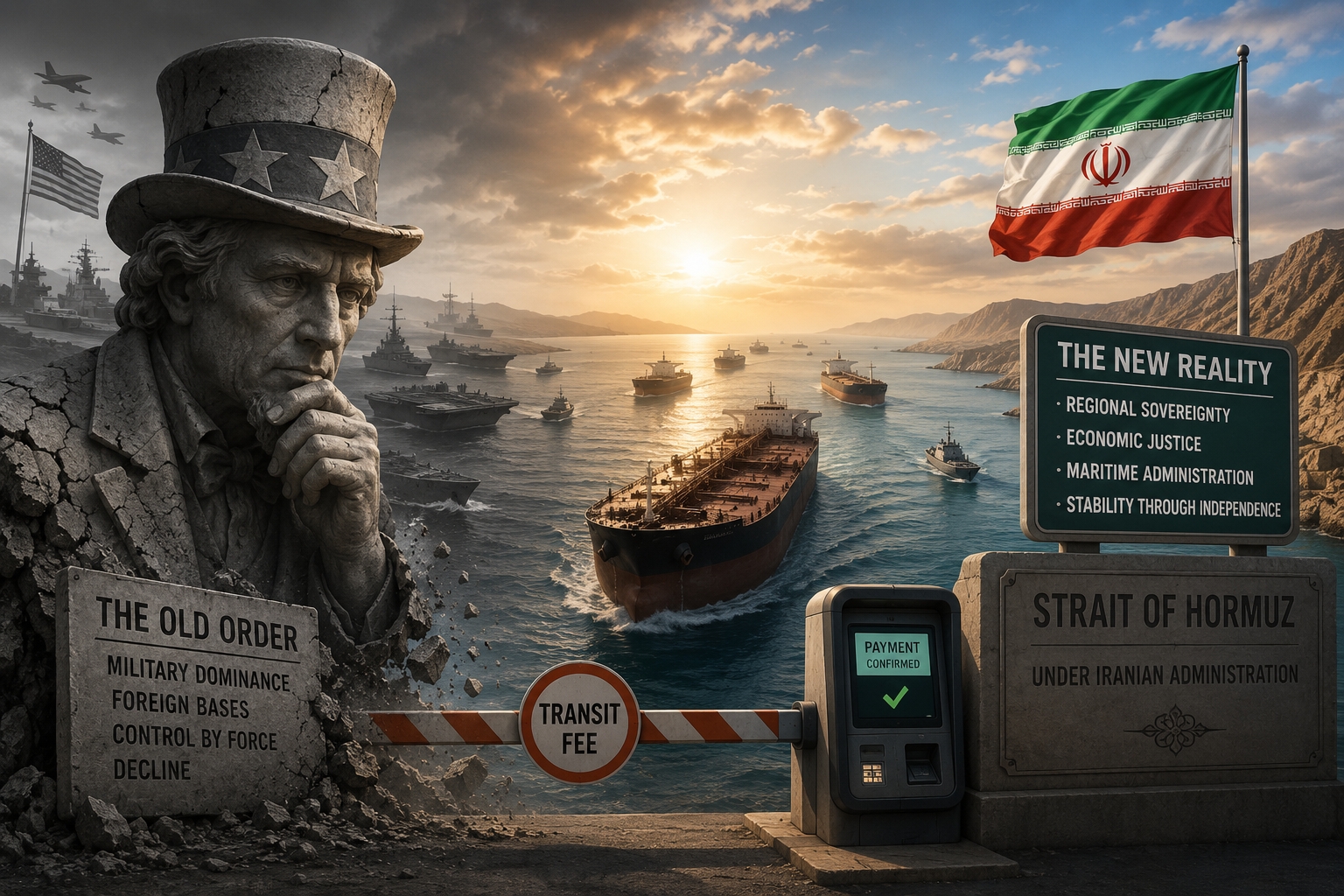
A prolonged closure of the Strait of Hormuz will bring down the US colossus. Disruption in energy supplies will have a global impact that we...
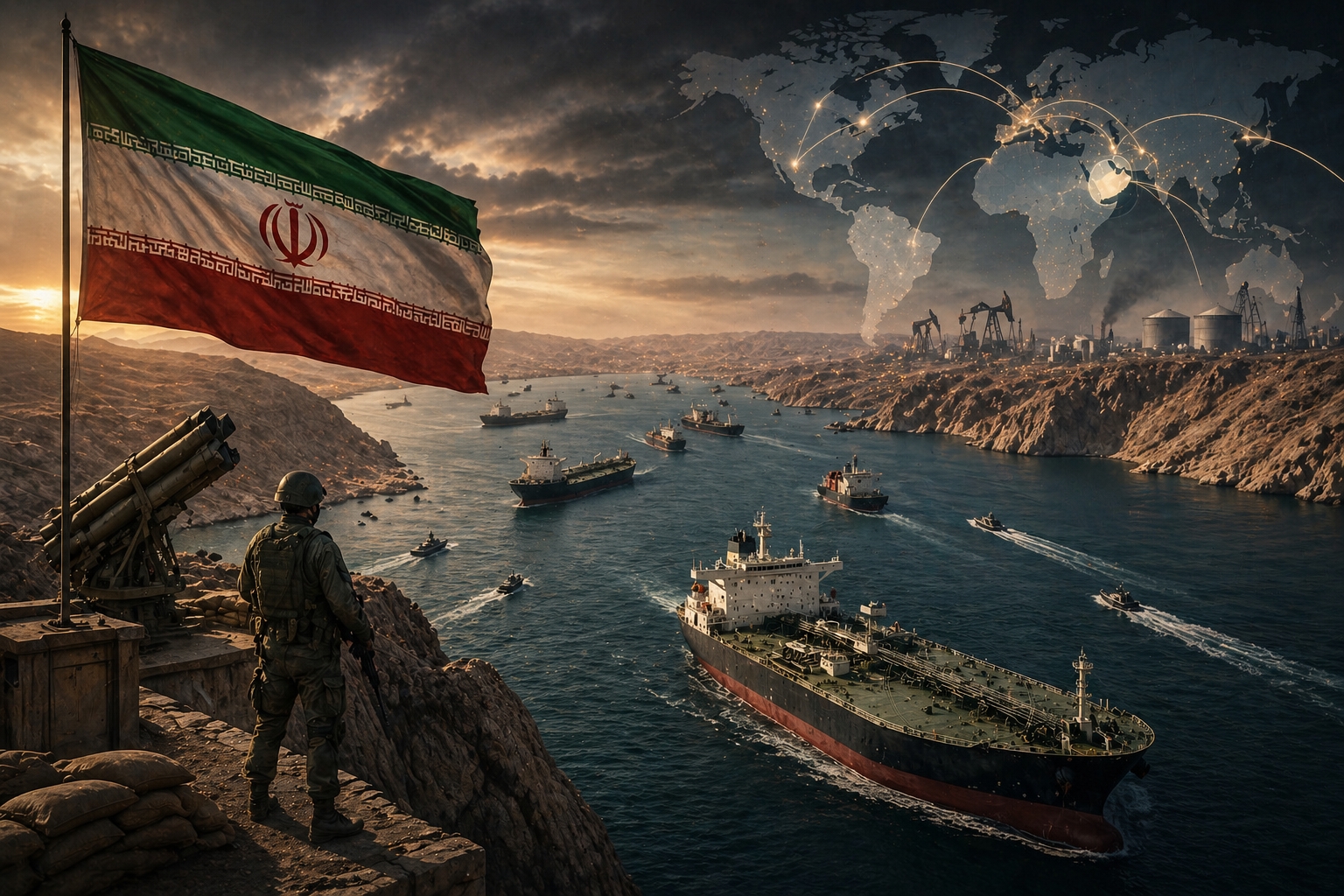
Attacks on oil tankers and vessels in the Strait of Hormuz can be traced to the “tanker war” between 1981-1988. The western-Arabian-Comm...
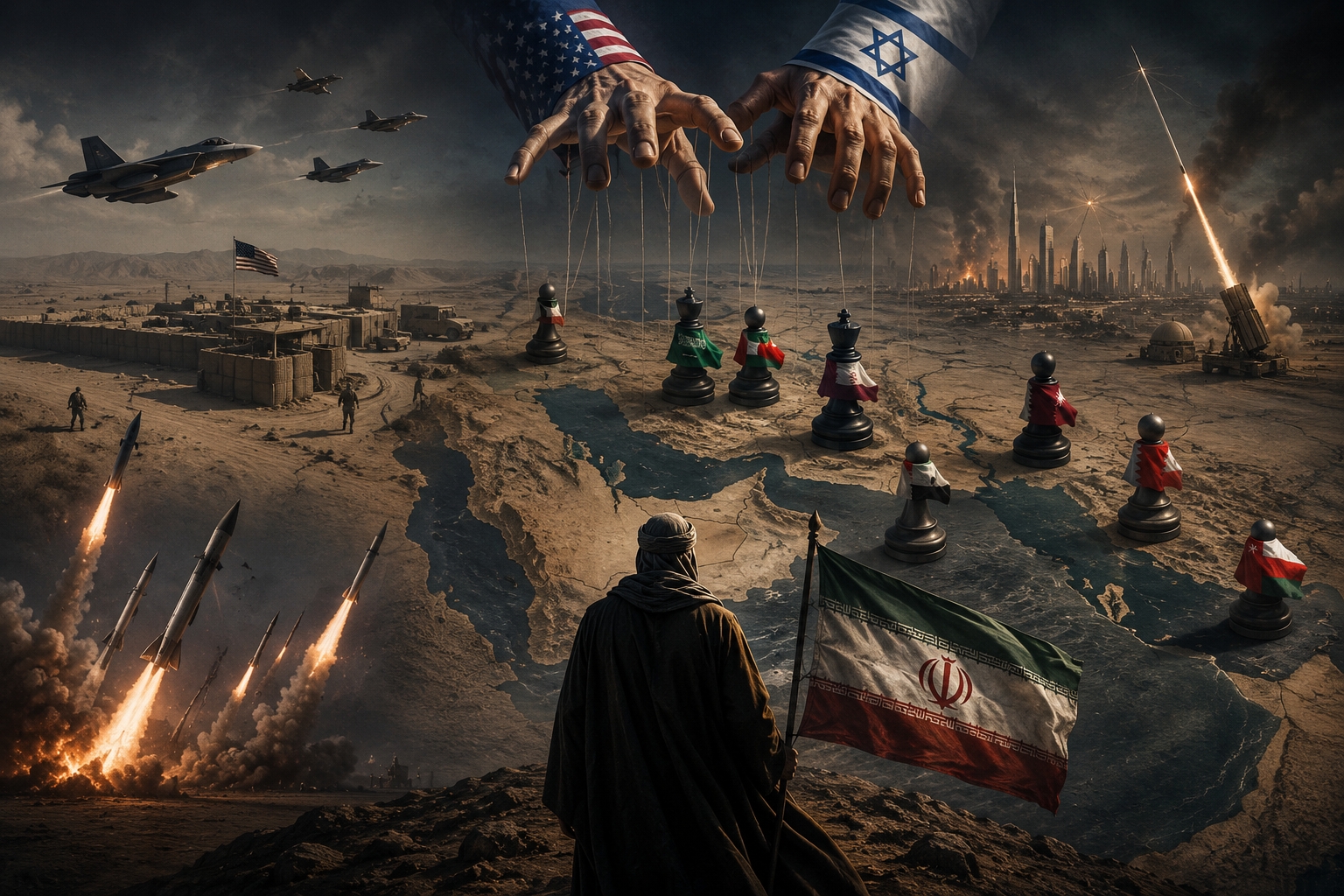
Islamic Iran has the longest coastline along the Strait of Hormuz. The US lies thousands of miles away yet it wants to control it. Under wha...
By controlling shipping through the Strait of Hormuz, the Islamic Republic has Trump by the throat. Oil prices and, therefore, prices of foo...