 Archives
Multimedia
Donate
About
Sign In
Archives
Multimedia
Donate
About
Sign In


 Javed Akbar


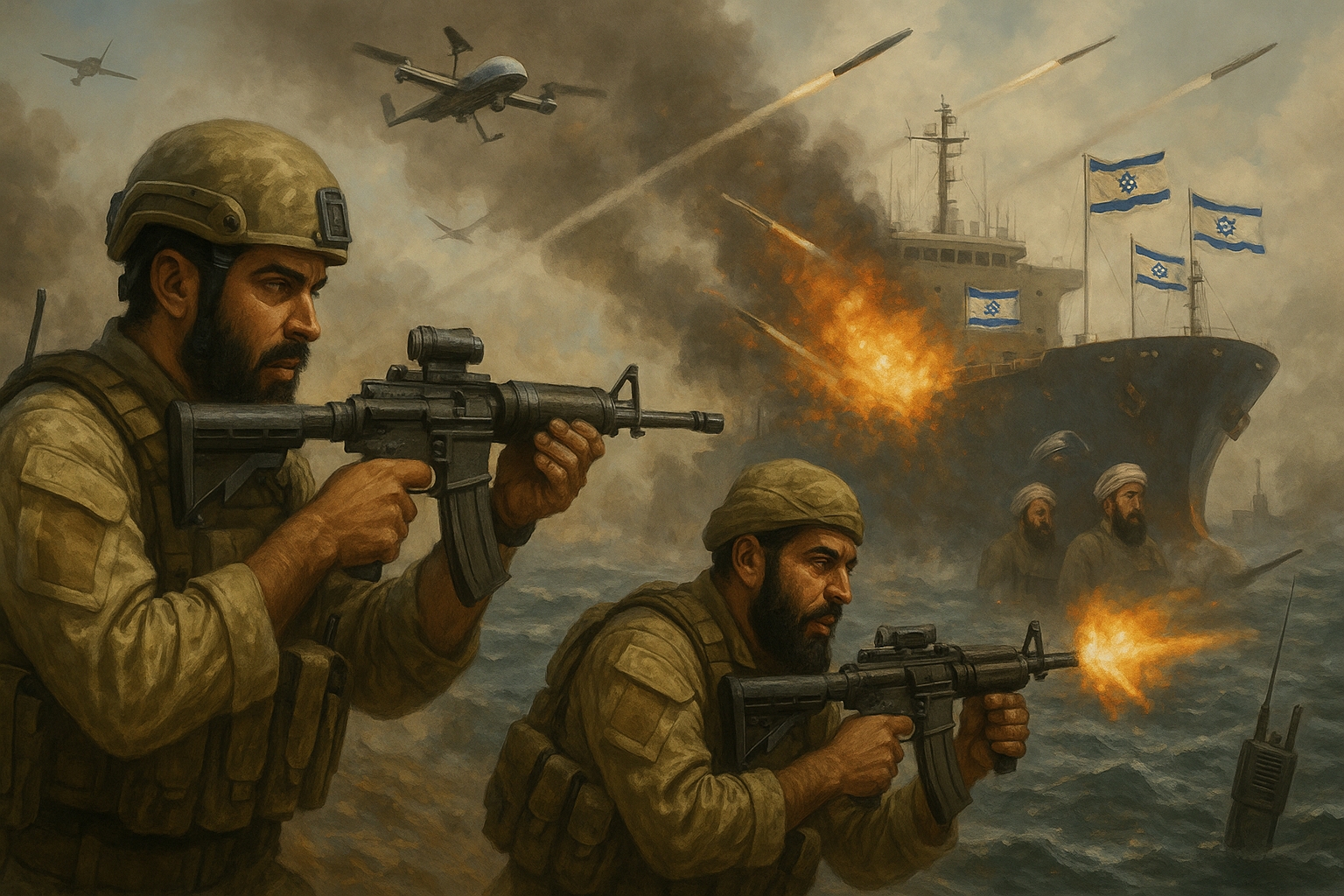
There are moments in history when silence becomes a testimony, and neutrality becomes a verdict.
This is one such moment.
Negotiations were underway when deception struck.
The very first bomb fell on a school for young girls – children between seven and twelve years old – killing 170 of them in an instant.
In that single strike, innocence was buried under rubble and the world was forced to confront not only the unprovoked violence of war, but the silence that followed it.
Today, the Muslim world stands at a moral crossroads.
Iran — a Muslim country, whatever our differences of sect or school — has faced the combined wrath of the two most ferocious powers of our age: the United States of America and Israel.
This confrontation did not arise because Iran is Shia, nor because of sectarian dispute, but because it refused to surrender its independence, its sovereignty, and its dignity.
It chose resistance over submission, honour over comfort, and sacrifice over obedience.
And it stood tall and largely alone.
Open threats, bombings, and assassinations followed.
Political leaders, military commanders and civilians were martyred, yet the Iranian people did not bend.
They absorbed the blows and answered with resolve.
Their endurance has already secured them a place in the annals of history.
But history will not only record their courage. It will also record the silence of the rest.
Across the Muslim world stand regimes with vast armies, advanced weapons, overflowing treasuries, and in one case even nuclear weapons.
Yet when the moment of trial arrived, most chose cowardice over courage, statements over sacrifice, and safety over solidarity.
Some went further, distancing themselves from the very people who were being attacked, as if fear of Washington had become stronger than the fear of God.
And then one must ask another painful question: Where are the ulama?
Where are the inheritors of those scholars who once stood in the front ranks of resistance against tyranny?
Where are the voices that used to shake empires, not whisper before them?
History reminds us that the great seminary of Deoband, in the subcontinent, did not remain silent when imperial Britain ruled India with an iron fist.
Its scholars did not limit themselves to sermons and legal opinions.
They sacrificed, suffered imprisonment, and many gave their lives alongside the freedom fighters, particularly in the famous revolt of 1857 when Muslims and non-Muslims alike — in the struggle against colonial oppression and many gave their lives for the cause of freedom.
They practiced what they preached.
They spoke truth when it was dangerous, and they stood with the oppressed when standing carried a price.
Today, the Ummah looks again toward its scholars—and too often finds hesitation where there should be courage, caution where there should be clarity, and silence where there should be witness.
What will be the answer on the Day of Judgement?
When it is asked: A Muslim country needed help while facing the might of the world—where were you?
What will the rulers say?
What will the scholars say?
What will the Ummah say?
The Prophet ﷺ warned in words that leave no room for doubt:
“Whoever hears a Muslim calling for help and does not respond to him is not one of us. (Musnad Ahmad)
This is not a question of geopolitics. It is a question of faith, conscience, and accountability.
Some governments have justified their silence by claiming that their lands host American bases, and therefore they cannot allow confrontation.
But can any country expect respect while permitting its soil to be used against another Muslim country?
Can dignity survive where dependence has replaced sovereignty?
Let us speak honestly. The present confrontation is not merely Iran’s battle.
It is a test of whether the Muslim world still possesses the will to live with honour.
Iran may emerge wounded, but it will emerge with its head held high.
Its resistance, its losses, and its defiance will be remembered as the stand of a people who refused to kneel before power.
And the rest of us must ask ourselves — before history asks, before our children ask, and before the Day comes when no excuses will remain — where were we when a Muslim people stood alone against the might of the world?
where were our rulers, where were our armies, and where were our ulama who once taught us that truth must be spoken even before a tyrant?
And when the final account is written – not in the history books, but before the Lord of all the worlds – Allah The Mightiest – the question will not be who was powerful, but who stood for what was right.
***
Javed Akbar is a freelance writer with published works in the Toronto Star and across diverse digital platforms. He can be reached at: mjavedakbar@gmail.com

The US-zionist war on Islamic Iran must be viewed through the Qur’anic, Sirah, and Islamic movement frameworks to understand the deeper sy...
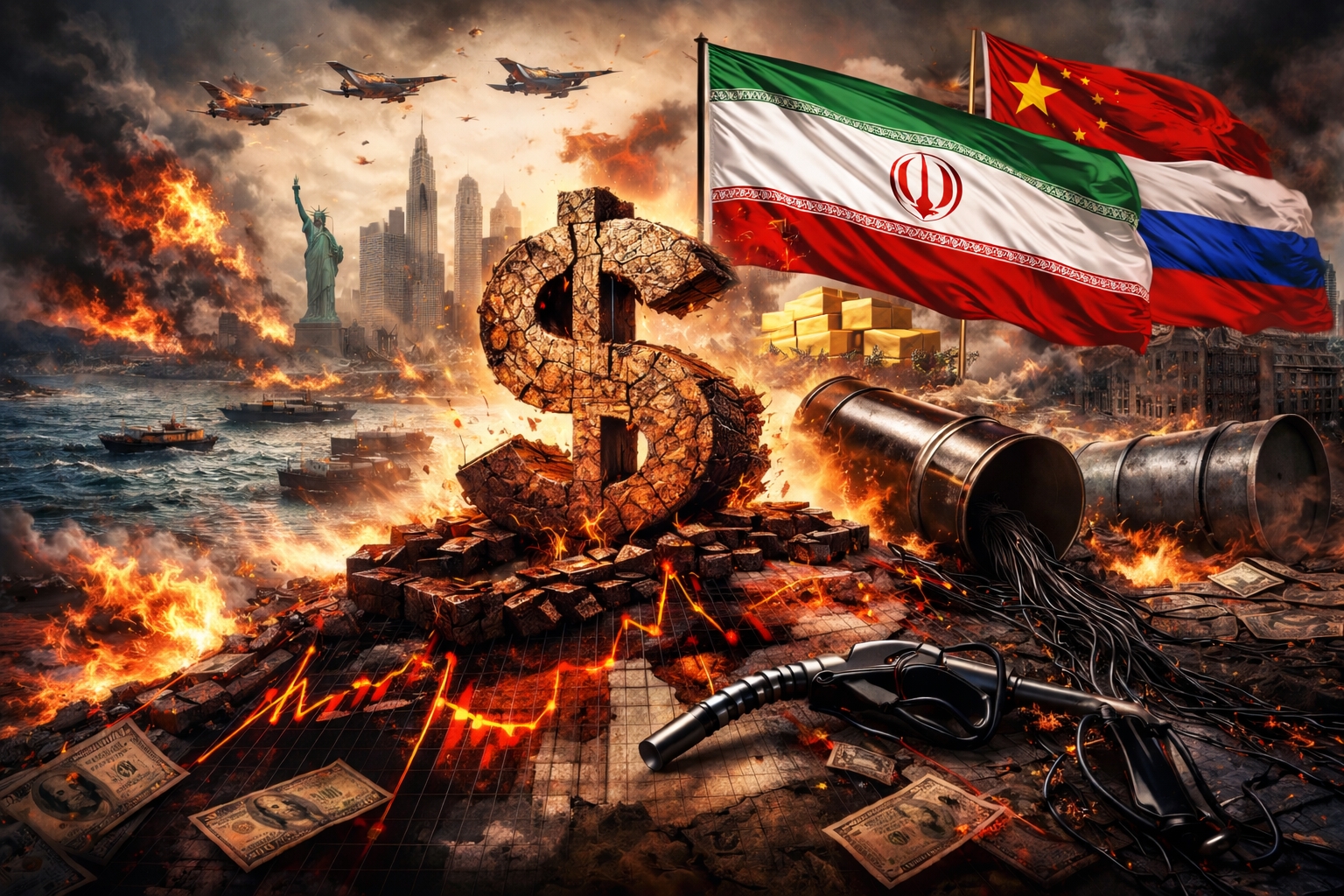
The US-zionist war on Islamic Iran cannot be isolated from the broader war on the Ummah, be it Palestine, Lebanon, Iraq or Yemen. The Islami...
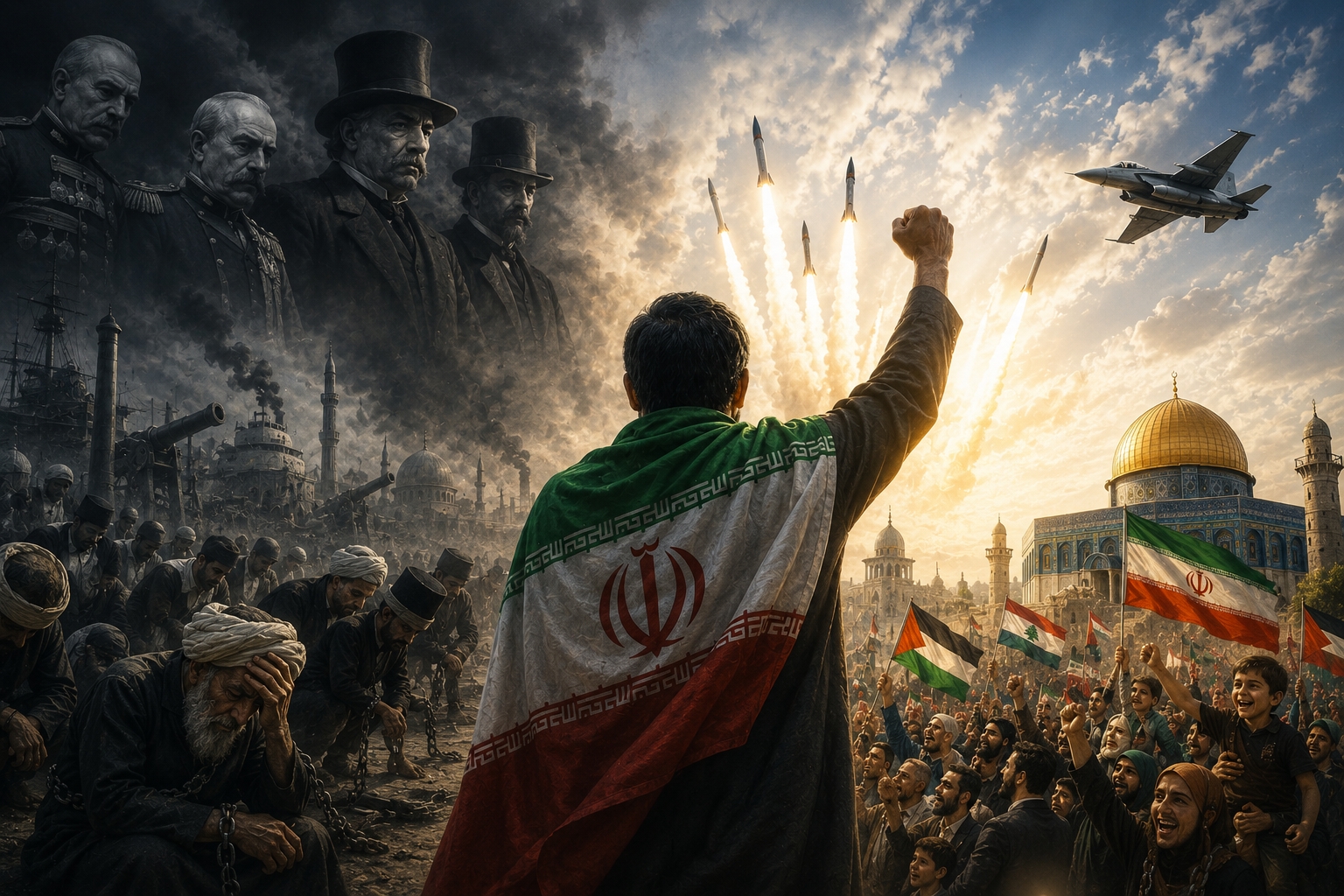
Since the defeat and retreat of the Ottoman Turks from the Balkans in 1878, Muslims have faced repeated humiliations at the hands of western...

The US-zionist war on Iran was unprovoked and is illegal. While it continues, it has exposed the true nature of the two sides. On one side a...