 Archives
Multimedia
Donate
About
Sign In
Archives
Multimedia
Donate
About
Sign In



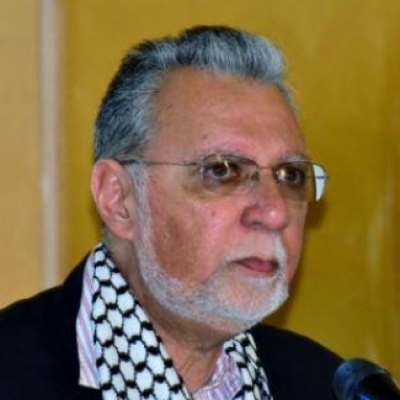 Firoz Osman


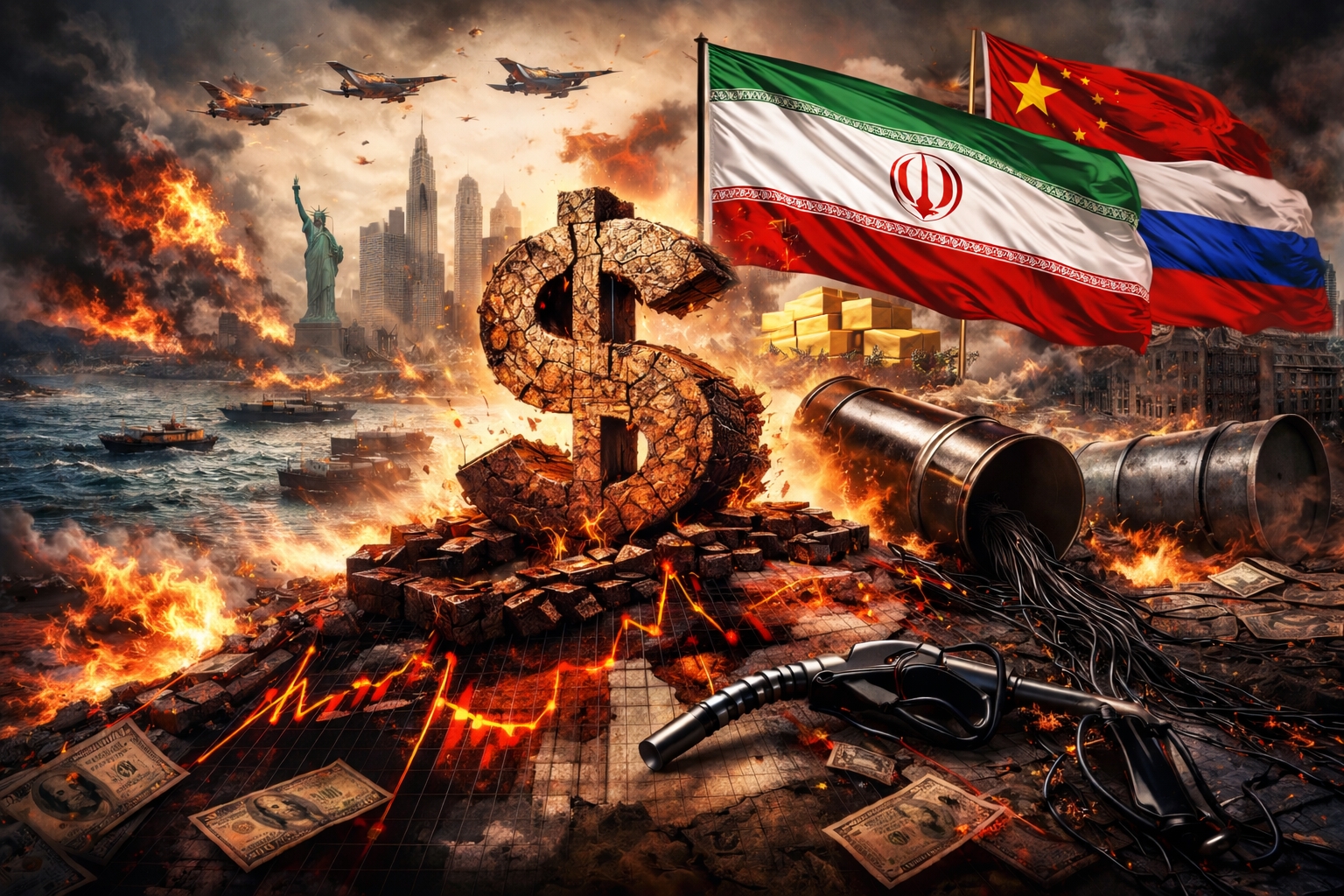
War today is not confined to a single battlefield. It is being waged across multiple fronts of the Muslim world: Palestine, Lebanon, Syria, Sudan, and now Iran.
These are not isolated conflicts, but interconnected theatres within a broader geopolitical struggle for power, resources, and ideological dominance.
To understand the present escalation against Iran, one must situate it within a longer historical arc defined by intervention, resistance, and the contest over sovereignty in the Muslim world.
1979: The Turning Point
The modern phase of confrontation with Iran began with the 1979 Islamic Revolution.
The revolution overthrew the Shah, a monarch whose rule had been secured through foreign intervention. In 1953, a CIA-backed coup removed Mohammad Mossadegh after he nationalized Iran’s oil industry, previously dominated by British interests. Reinsated in power, the Shah ruled through repression, enforced by the SAVAK—his feared security apparatus known for widespread torture and brutality.
Resistance to this regime grew steadily until it culminated in the Islamic revolution. On February 11, 1979, the Islamic Republic was declared, fundamentally altering the regional balance of power.
Iran and Palestine: Ideology and Alignment
The Islamic revolution immediately signaled a shift in foreign policy priorities.
Within days, Iran handed over the former Israeli embassy in Tehran to the Palestine Liberation Organization. Yasser Arafat became the first foreign leader to visit post-revolution Iran, symbolizing a new strategic alignment.
Later that year, Imam Ruhollah Khomeini declared Al-Quds Day an annual global mobilization on the last Friday of Ramadan dedicated to the liberation of Al Quds (Jerusalem).
Iran’s support for Palestine was not framed as optional diplomacy, but as a religious and ideological obligation rooted in the defense of the oppressed.
Why the west felt Threatened by the Revolution
The Islamic Revolution represented more than regime change; it disrupted the architecture of western influence in the region.
The Shah had been a critical ally, ensuring:
• Western access to oil resources
• Regional stability favorable to western interests
• Strategic alignment with Israel
With his removal, the United States, Britain, and Israel lost a central pillar of their regional order.
Two strategic imperatives, control over energy resources and the protection of Israel, have long shaped western policy in West Asia (ak the Middle East). The emergence of a defiant, independent Iran challenged both.
Containment: Sanctions and Isolation
In response, Iran was subjected to sustained economic and political pressure.
For decades, sanctions have been used as a tool to weaken the Islamic Republic, limit its influence, and undermine internal support for its revolutionary model.
This pattern extends beyond Iran. Any state that challenges dominant global structures risks economic strangulation or military confrontation.
Palestine: Siege and Resistance
While Iran faced sanctions, Palestine endured siege.
For nearly two decades, Gaza has been blockaded, its population confined, monitored, and economically suffocated. Despite these conditions, Palestinian resistance movements developed extensive underground networks, enabling them to organize, train, and sustain their struggle.
Support from Iran, alongside coordination with groups such as Hizbullah, contributed to the evolution of this المقاومة (resistance) infrastructure.
Arab Normalization and Strategic Betrayal
Parallel to Palestinian suffering, several Arabian regimes moved toward normalization with zionist Israel.
Countries including Egypt, Jordan, the United Arab Emirates, Bahrain, Morocco, and Sudan established or strengthened ties with Israel—prioritizing regime stability, economic cooperation, and security guarantees.
This shift reflected a broader calculation: survival of ruling elites over solidarity with Palestine.
Reliance on western military protection, particularly through US bases in the Gulf, reinforced this alignment.
October 7: A Strategic Shock
On October 7, 2023, Hamas launched a daring large-scale attack on Israel, an operation it called Tufan al-Aqsa (Al-Aqsa Flood).
The operation disrupted long-standing assumptions about Israeli military invulnerability and triggered a regional escalation. It also reactivated a network of allied groups, including:
• Hizbullah in Lebanon
• Ansarullah (Houthis) in Yemen
• Armed factions in Iraq
This constellation, often described as the “axis of resistance,” demonstrated coordinated, multi-front pressure against Israel and its allies.
Why Iran Supports Palestine
Although Palestine is not explicitly named in Iran’s constitution, the leadership in Iran grounds its support in broad principles:
• Defense of the oppressed
• Opposition to injustice
• Commitment to Muslim unity
Article 152 of Iran’s constitution frames foreign policy around these ideals, providing the basis for its consistent pro-Palestinian stance.
Leadership, Sacrifice and Narrative Power
The resistance narrative is reinforced through figures regarded as martyrs, including:
Ahmed Yassin, Abdel Aziz al-Rantisi, General Qassem Solaimani, Ismail Haniyeh, Yahya Sinwar, Sheikh Hassan Nasrallah, Imam Ali Khamanei and Ali Larijani.
These figures are presented not merely as leaders, but as symbols of resistance.
Narratives of sacrifice such as accounts of Sinwar fighting until his final moments serve to strengthen morale and legitimize ongoing struggle.
Leadership and Moral Authority
Accounts attributed to figures like Imam Ali Khamenei emphasize a model of leadership rooted in shared risk and moral consistency.
The idea is simple but powerful:
A leader cannot call for sacrifice while avoiding it himself.
This framing draws deeply from Islamic historical memory particularly the legacy of Imam Husain where steadfastness in the face of overwhelming odds is seen as the highest form of integrity.
Al-Quds Day: Meaning and Mobilization
Al-Quds Day functions as more than a symbolic event. It is:
• A tool of political mobilization
• A reaffirmation of ideological commitment
• A global expression of solidarity
It connects local struggles to a broader تصور (vision) of unity within the ummah.
War, Power, and the Future
The current confrontation with Iran cannot be reduced to a single issue. It reflects deeper structural tensions:
• Between independence and external control
• Between المقاومة (resistance) and normalization
• Between ideological commitment and political expediency
For its supporters, Iran represents defiance against a global order perceived as unjust. For its adversaries, it represents a destabilizing force that must be contained.
What remains clear is that the conflicts across Palestine, Iran, and the wider region are not isolated. They are interconnected expressions of a larger struggle, one that will continue to shape the political and moral landscape of the Muslim world.
***
Dr. Firoz Osman, Executive Member, Media Review Network, Johannesburg, South Africa
The US-zionist war on Islamic Iran must be viewed through the Qur’anic, Sirah, and Islamic movement frameworks to understand the deeper sy...
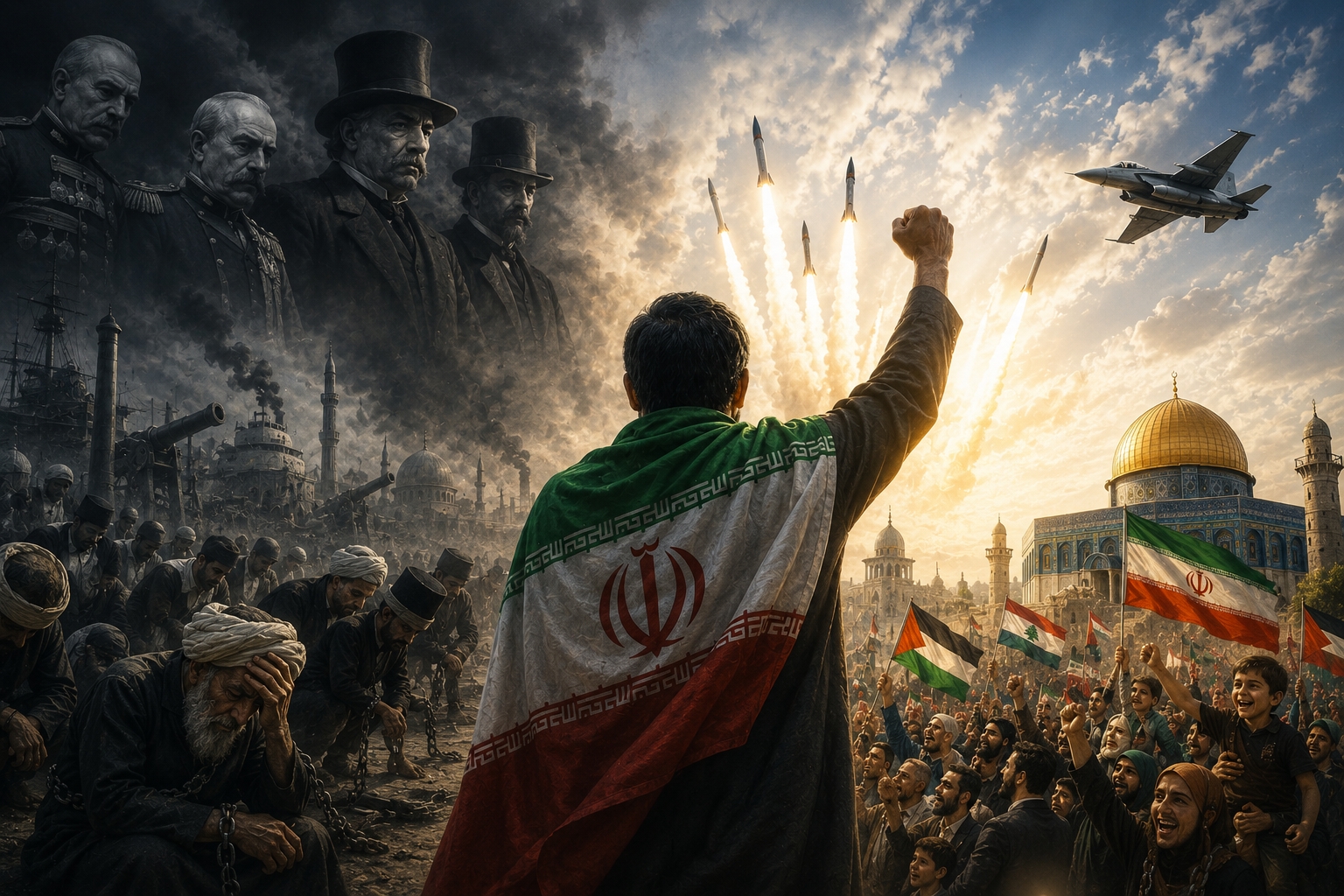
Since the defeat and retreat of the Ottoman Turks from the Balkans in 1878, Muslims have faced repeated humiliations at the hands of western...
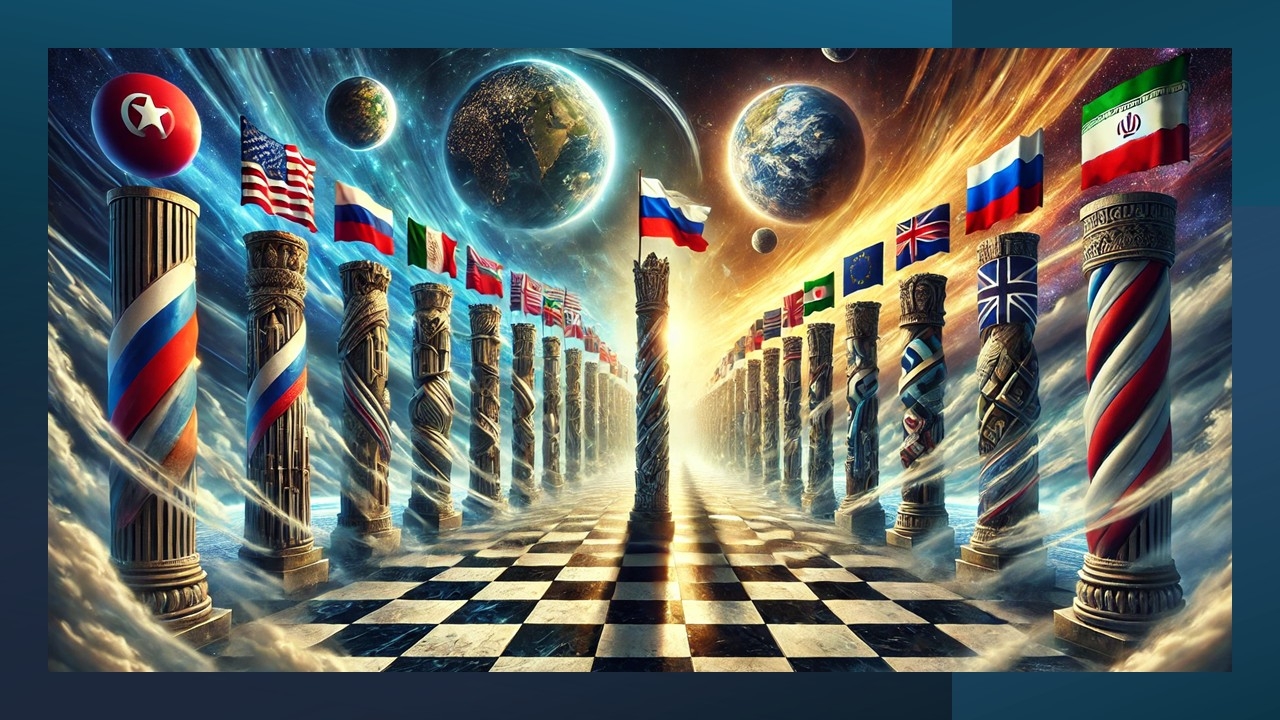
The US-zionist war on Iran was unprovoked and is illegal. While it continues, it has exposed the true nature of the two sides. On one side a...
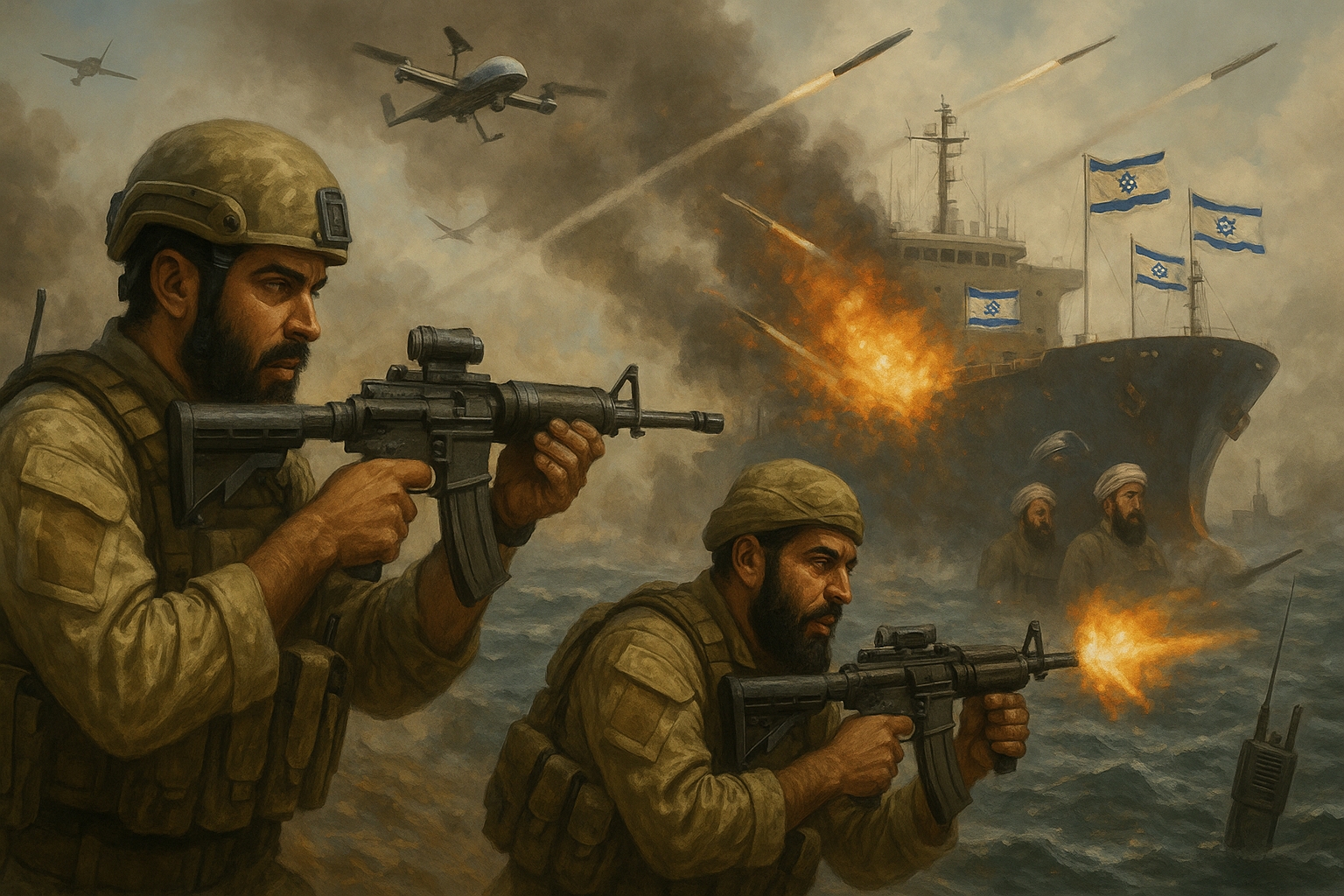
The Islamic Republic of Iran has stood all alone against the forces of darkness and barbarism. By making enormous sacrifices, it is defendin...