 Archives
Multimedia
Donate
About
Sign In
Archives
Multimedia
Donate
About
Sign In


 Muslim Mahmood


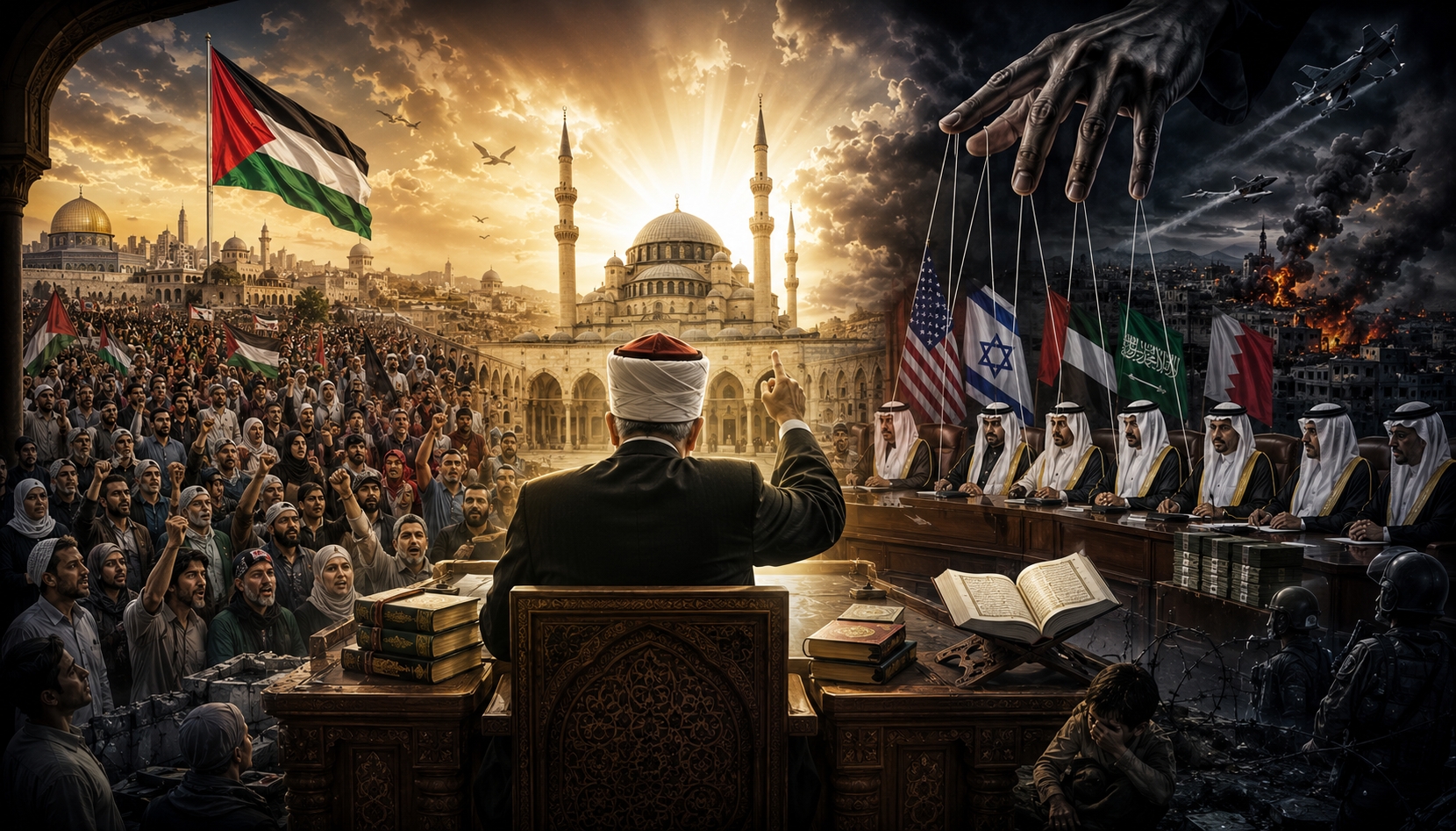
Dr. Kalim’s final book, Stages of Islamic Revolution, published in South Africa days before his death in April 1996, was deliberately misread by those who assumed it was primarily a defense of the Islamic Revolution in Iran. Dr. Kalim himself anticipated this misapprehension, writing in his foreword: “The first thing I want to say about this book is that it is not about the Islamic Revolution in Iran. It is about the next Islamic Revolution and the one after that.”
What he meant by “Islamic revolution” was far more than a change of government. For Dr. Kalim, “Islamic revolution” was a process of social transformation—modeled on that achieved by the nascent Ummah under the leadership of the Prophet (ﷺ)—within which the achievement of political power and the establishment of an Islamic state is an essential stage, but no more than that: a stage that is then not the end point but the starting point for the continuation of the process.
The Prophet’s achievement, understood in this way, was not merely the establishment of a state—it was the total transformation of society from within, grounded in the internalization of divine values at every level of human existence.
This understanding of history as a process of staged transformation gave Dr. Kalim’s work its characteristic combination of urgency and patience. He was a man in a hurry—a “historian in a hurry,” as he described himself—but he was not reckless. He knew that the survival of the Islamic state was not guaranteed and that it could fail through either external defeat or internal failures.
He called on the Ummah to support Islamic Iran not out of Iranian nationalism or Shi‘i solidarity, but because the Islamic Republic represented the most significant achievement of the global Islamic movement in the contemporary era, and its defeat would set that movement back by generations. This was a considered analytical position, not sentiment.
The Muslim world is only now catching up to the ideas he had propounded in the 1970s. His vision was that the only way out of the cage called the nation-state structure was through a series of Islamic revolutions.
As we observe the ongoing genocide in Gaza—prosecuted with western weapons, western diplomatic cover, and western institutional complicity—the accuracy of that analysis is beyond dispute. The rulers of Muslim-majority states have demonstrated once again that they are, as Dr. Kalim diagnosed 50 years ago, agents of the colonial order rather than representatives of their peoples. The “independence” they were handed was never independence. It was a handover of administration, not of power.
The Media Battlefield and the Obligation of Witness
The one area Muslims are really far behind is the media front. In the age of the internet, the vicious propaganda against Islam and Muslims has intensified.
The warmongers and merchants of death are in constant need of enemies to peddle their murderous wares, leading as they do to wars of aggression. It is not enough to observe this and lament it. Every Muslim who understands the stakes has an obligation to strengthen the independent Islamic media infrastructure that exists—and to help build what does not yet exist.
Crescent International has survived for nearly five decades on what can only be described as a shoestring budget. Our most valuable assets are the committed ‘ulama providing guidance for our work, dedicated and competent journalists and activists writing for us from all parts of the world, and our management team—without whom the magazine perhaps would have ceased to exist after Dr. Kalim Siddiqui passed away in April 1996.
We are fully aware of our limitations. We acknowledge that we must build a sustainable self-funding mechanism, expand our digital presence, and deepen our partnerships with other credible Islamic media outlets. These are not admissions of failure; they are obligations we have not yet fully met, and we name them honestly.
What we will not do is compromise the intellectual and ethical framework that has defined Crescent since 1980. We will not peddle the zionist and imperialist narrative.
We will not adopt the false neutrality of the corporate media, which presents the genocide of a people and the resistance of that people as two morally equivalent sides of a “conflict.” We will not become the kind of publication that gives comfort to the powerful and call it journalism.
Dr. Kalim’s hadith about the date palm is not only about perseverance. It is about the nature of righteous action: that it is its own justification, independent of the outcome. We plant the tree because it is right to plant the tree.
The Ummah needs independent, intellectually rigorous, morally grounded media. We provide it. We will continue to provide it, insha’allah, for as long as we are able—because it is, in the deepest sense, our covenant with Allah (اللهُ سُبْحَانَهُ وَتَعَالَى) and with the global Islamic movement that Dr. Kalim devoted his life to building.
The Covenant That Endures
Thirty years after Dr. Kalim’s death, the civilization he dreamed of has not yet arrived. The nation-states he identified as cages still imprison Muslim peoples. The rulers he named as colonial agents still collect their salaries.
The imperial powers he analyzed have, if anything, intensified their assault on Islamic societies and their media institutions. The genocide in Gaza is the most naked expression of this assault in our lifetime.
And yet: the ideas survive. Crescent International continues to publish. ICIT continues its work. The Ascendant Qur’an continues to be written. Young Muslims in Asia, Africa, Europe, and North America continue to encounter Dr. Kalim’s writings and find in them the analytical framework they had been searching for—the framework that makes sense of their experience and connects it to the experience of the Ummah across centuries.
There can be no doubt that the contemporary Islamic movement could learn much by revisiting Dr. Kalim’s writings. It is in an understanding of the underlying historical processes at work, as discussed by Dr. Kalim Siddiqui, that Islamic movements present and future can hope to find the wisdom to work through the current darkness into the light.
He planted the tree. The tree is still growing. It is our obligation—and honor—to continue the work he began.
May Allah (اللهُ سُبْحَانَهُ وَتَعَالَى) grant Dr. Kalim Siddiqui the highest station in Paradise, and may his legacy continue to illuminate the path of the global Islamic movement. Ameen.


Dr Kalim Siddiqui was a towering figure in the eighties and nineties. He was far ahead of his time. The ideas he propounded as early as the ...
April 18, 2026 will mark 30 years since Dr Kalim Siddiqui passed away to join heavenly compamy. His life’s struggle, clarity of thought an...
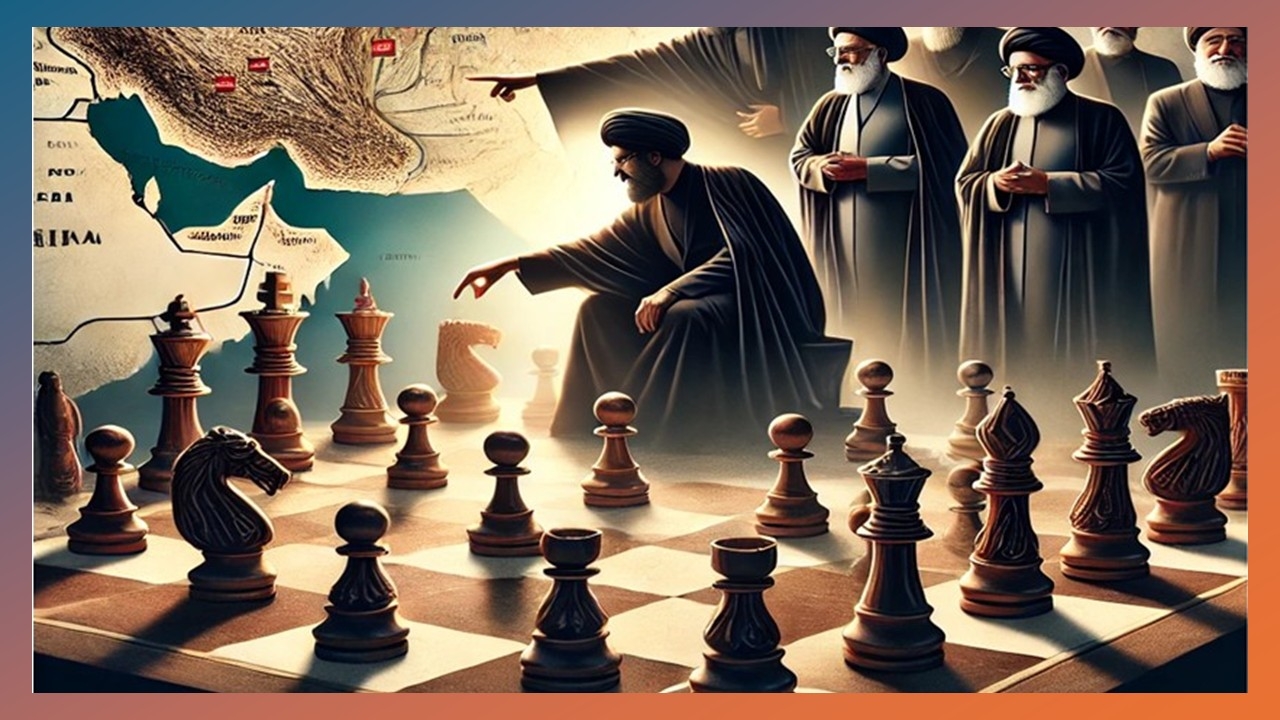
Dr. Kalim Siddiqui rejected both quietism and reactionary militancy. Instead, he advocated a principled, Qur’an-centered struggle rooted i...
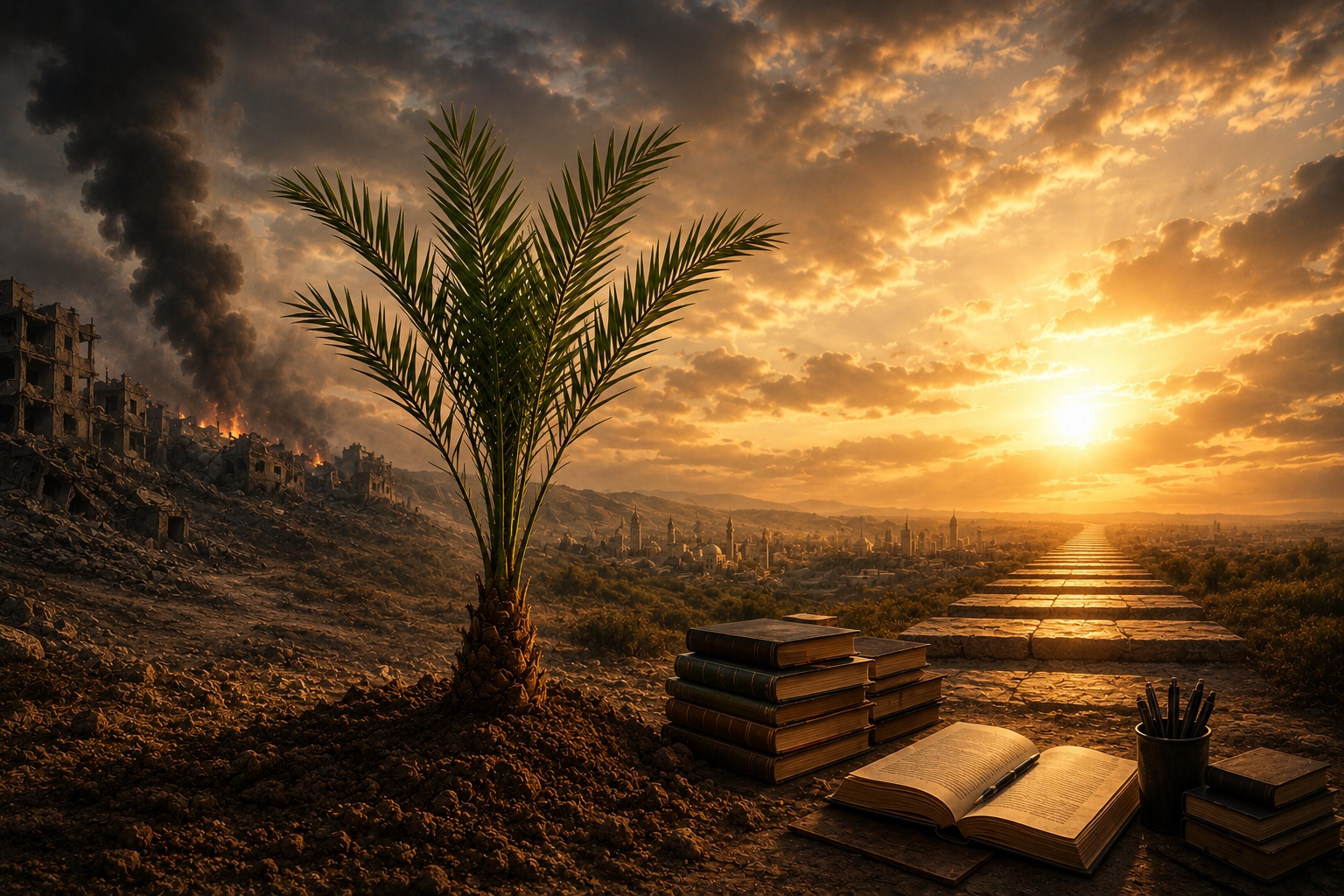
Dr Kalim Siddiqui was an intellectual and activist. He articulated a vision for Muslim societies 50 years ago that still resonates powerfull...