 Archives
Multimedia
Donate
About
Sign In
Archives
Multimedia
Donate
About
Sign In



 Iqbal Jassat


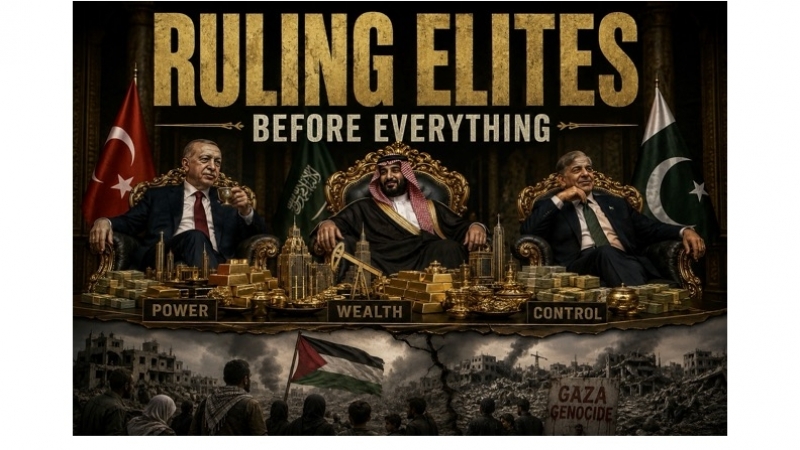
On August 7, the ruling elites of Saudi Arabia, Turkiye, and Pakistan shook hands on the Makkah Joint Defence Agreement—a mutual-defense pact explicitly designed to mimic the imperial architecture of NATO.
On October 5, following an emergency summit in Riyadh, they officially activated its “collective deterrence measures.”
In a heartbeat, Ankara and Islamabad agreed to the rapid deployment of military forces to Saudi soil, while a brutal, Saudi-backed ground offensive was unleashed across Yemen.
Let this moment be remembered as the day the masks fell off the faces of hypocritical rulers completely.
With breathtaking speed, these regimes proved that when the security of a billionaire monarchy is at stake, the Muslim world’s most formidable war machines can be mobilized overnight.
Yet, this hyper-efficient deployment of pan-Islamic military muscle does not inspire pride.
It sparks deep fury.
For three years, the global Ummah has watched the systematic, livestreamed genocide in Palestine.
Millions of our brothers and sisters have starved, bled, and been killed under a relentless campaign of zionist bombardment in Gaza.
And what has been the response from the palaces in Riyadh, Ankara, and Islamabad?
A masterclass in bureaucratic cowardice, toothless resolutions, and empty, theatrical condemnations.
When it comes to Yemen—a people already starved, fractured, and bled dry by a decade of imperialist war crimes—these capitals respond with an iron-fisted, multi-national invasion.
When it comes to Palestine, where the moral duty to intervene is absolute, these same rulers suddenly discover the virtues of diplomatic patience and geopolitical restraint.
The activation of the Makkah Pact shatters the great lie used by these regimes to justify their paralysis.
For years, they told their populations that direct military intervention to save Palestine was impossible, that it would risk a wider regional war, or that logistically, the hurdles were too high.
The rapid deployment to Saudi Arabia exposes this as a craven fabrication.
The hurdles disappear when a monarchical regime is threatened.
Turkey possesses the second-largest army in NATO.
Pakistan is a nuclear-armed state.
Saudi Arabia’s defense budget of $80 billion could swallow whole nations.
Together, they represent a massive geopolitical juggernaut.
Yet, this juggernaut has been engineered to look inward—to crush local and regional dissent, protect trade routes for global capital, and guarantee the survival of authoritarian regimes.
By prioritizing a defensive shield for the Saudi throne while allowing the total erasure of Palestinian society, these rulers have made a cold, transactional calculation: Palestinian lives are cheap, but Gulf infrastructure is sacred.
The moral bankruptcy of Riyadh is now laid bare before the world.
For decades, the Saudi monarchy has cloaked itself in the prestige of being the custodian of the holy sites, claiming the mantle of spiritual leadership for nearly two billion Muslims.
But true Islamic leadership is not inherited through royal bloodlines or bought with petrodollars; it is earned by standing as a shield for the oppressed.
To aggressively marshal a multi-national alliance against Yemen while maintaining a passive, bystander posture toward the ongoing genocide in Palestine is an absolute abdication of that trust.
It is a betrayal of the very spirit of the global Ummah.
This pact exposes the fundamental rot at the core of the regional security establishment.
It proves that billions spent on acquiring western armaments were never meant to defend the weak or liberate occupied lands.
These weapons are kept in reserve to protect the palaces from the anger of the people, carefully calibrated never to cause friction with Washington or its strategic asset in Tel Aviv.
History will record that when the military elites of the Muslim world finally united to build a wall of collective defense, they did not build it around the besieged, starving hospitals of Gaza.
They did not build it to protect the children of the West Bank.
They built it around the luxury palaces of Riyadh.
The Makkah Pact may defend royal assets in Yemen, but it has already suffered a fatal, irreversible defeat in the court of human conscience.
By demonstrating total mobilization for a corrupt monarchy while abandoning Palestine to the ashes, Saudi Arabia, Turkiye and Pakistan have revealed a chilling truth to their people: to the rulers of this region, solidarity is a myth, and brotherhood is a lie told to keep the masses quiet.
The streets will not forget this betrayal.
Iqbal Jassat, Executive Member, Media Review Network, Johannesburg, South Africa

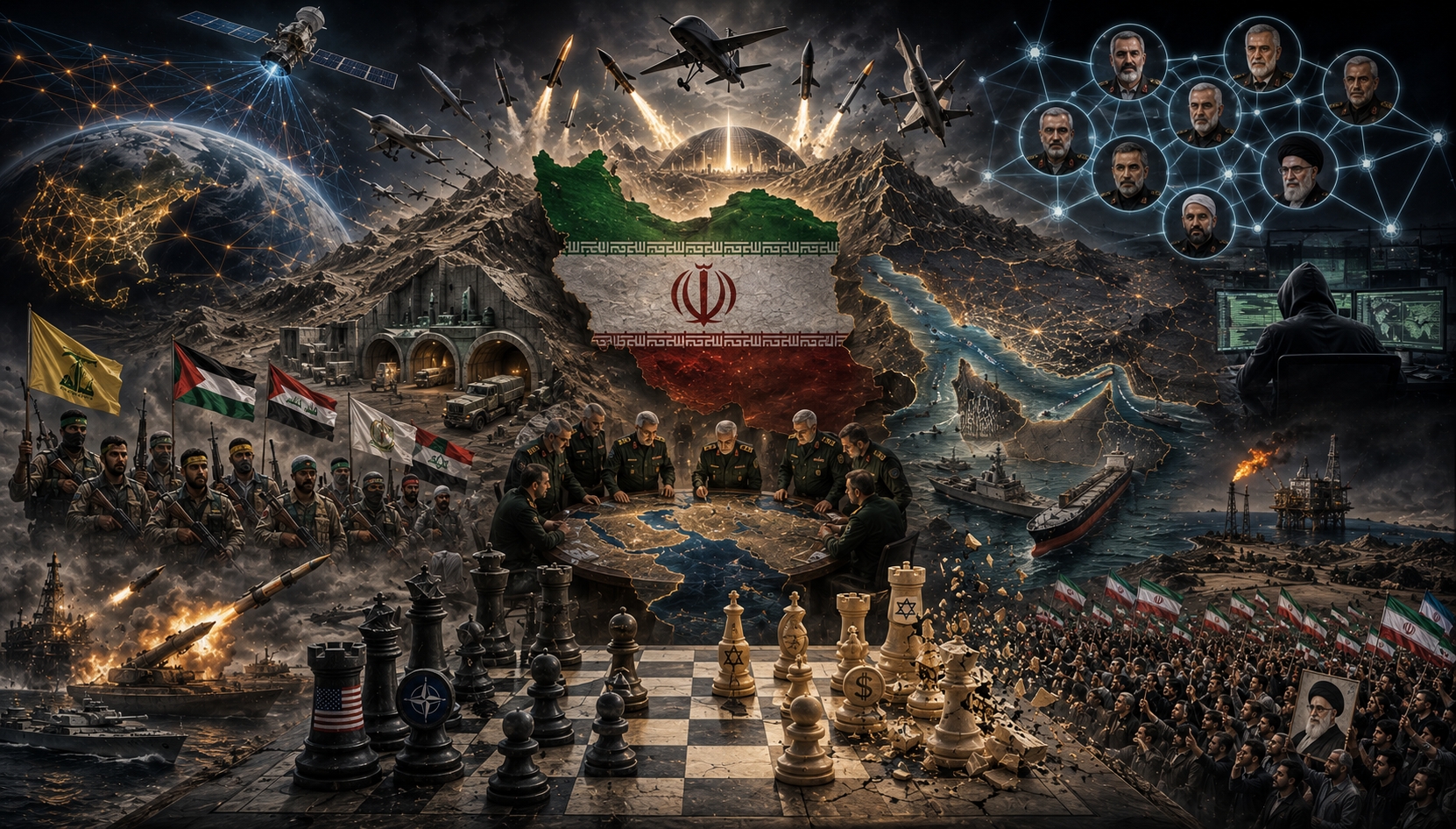
While the Arabian rulers in West Asia are incapable of defending themselves, their reliance on the US and zionist Israel has also proved ill...
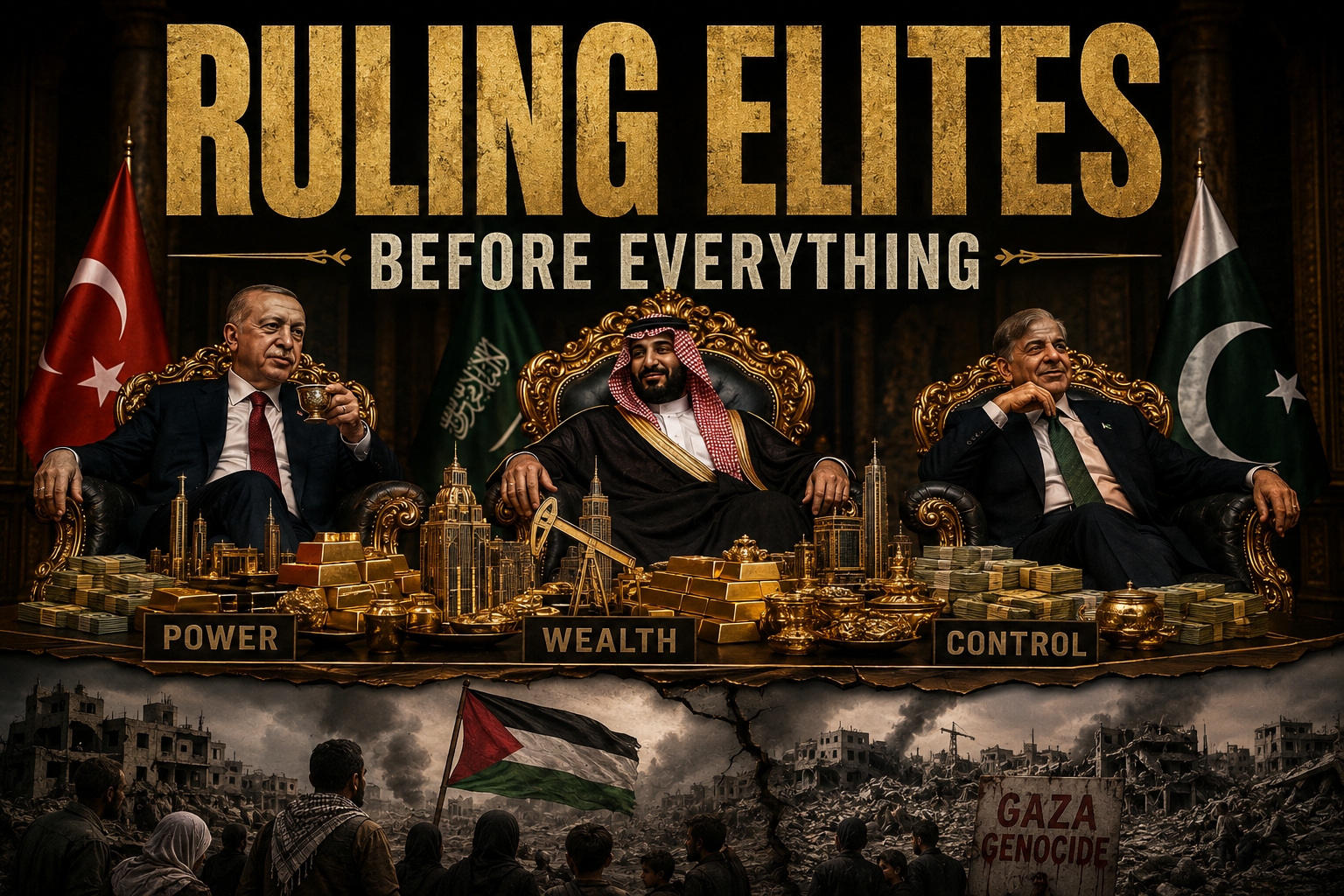
The Turkiye-Saudi-Pakistan defence pact announced last month is viewed by observers differently. For some it is an alliance against zionist ...