 Archives
Multimedia
Donate
About
Sign In
Archives
Multimedia
Donate
About
Sign In



 Mohamed Ousman


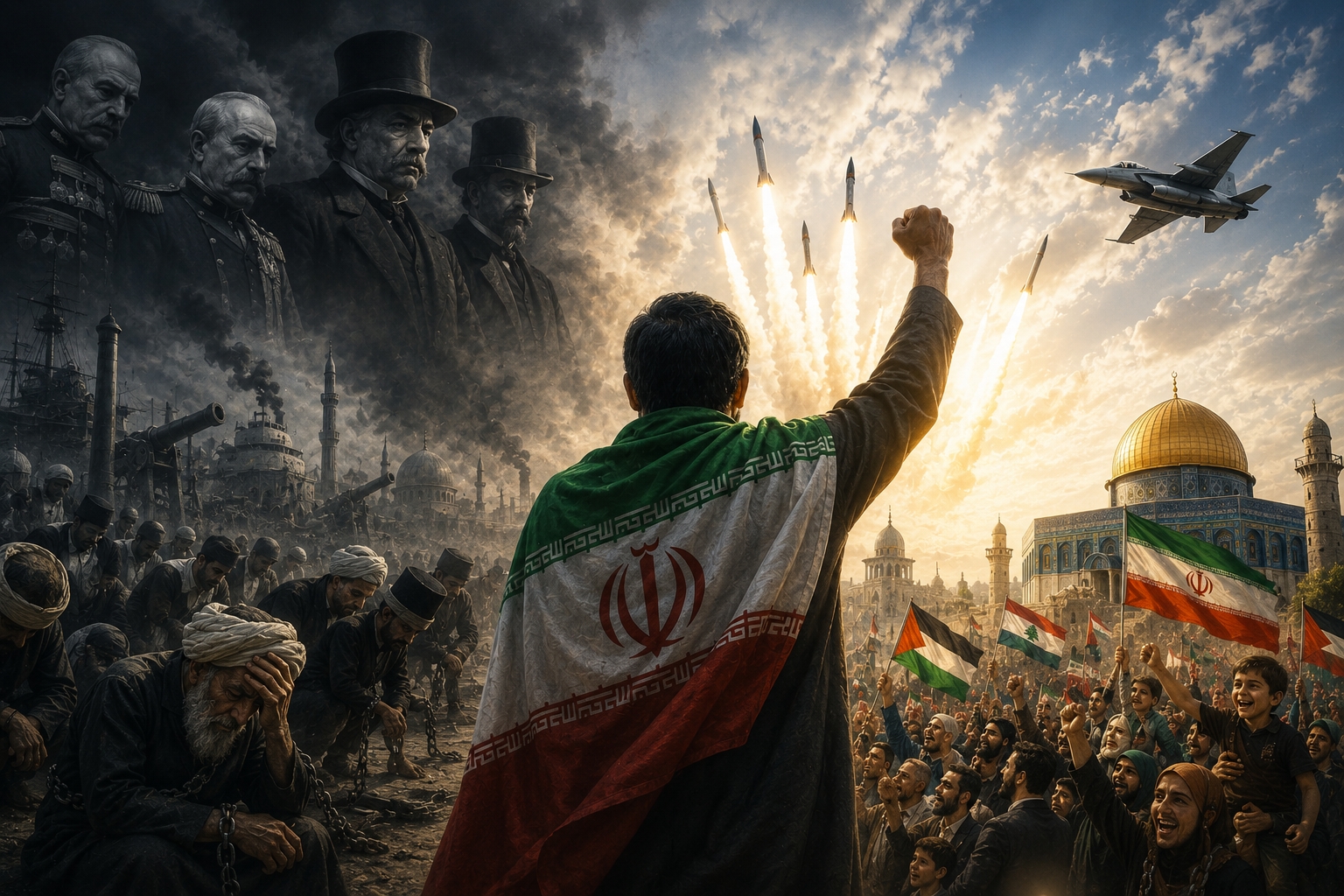
Below is a structured synthesis of the themes: allegiance, authority, and governance in Islam, especially Qur’an 4:59 (uli al-amr) as interpreted through Imam Muhammad Al-Asi’s framework, and the three theoretical orientations toward political authority in the Muslim world, including attitudes toward Islamic Iran as a case study.
1. Conceptual Framing: Uli al-Amr (Qur’an 4:59) and the Logic of Allegiance
Qur’an 4:59 establishes a layered hierarchy of obedience: “O you who are securely committed to Allah! Pay heed to Allah, and pay heed to the Apostle and to those from among you who have been entrusted with authority; and when you are at variance over any matter, refer it to Allah and the Apostle, if you are truly committed to Allah and the Last Day. This is the best [for you], and best in the end.”
In al-Asi’s reading, this verse is not a blank check for rulers, but a conditional delegation of authority embedded in accountability. The structure is asymmetrical: absolute obedience to Allah; normative authority to the Messenger and conditional authority to uli al-amr dependent on alignment with the Qur’an and Prophetic model. This produces a governance theory based on: order (nizām), trust (amānah) and Justice (‘adl).
Authority is therefore not sovereign in itself. It is derivative and revocable when it deviates from divine criteria. In this framework, allegiance (bay‘ah) is not passive submission but a contractual moral obligation tied to justice and Qur’anic fidelity.
The Hadith of Allegiance and Political Obligation
The frequently cited hadith: “Whoever dies without a bay‘ah on his neck dies a death of ignorance” is interpreted across Islamic traditions in different ways:
Classical Sunni legal framing emphasizes social order and unity, prioritizes avoidance of fitnah (civil disorder) and often supports de facto authority to preserve stability.
Qur’an-centric framing emphasizes bay‘ah as meaningful only when authority implements justice, upholds Qur’an and protects communal welfare. A corrupted authority does not generate valid binding allegiance.
Thus, allegiance becomes conditional obedience within a moral-political covenant, not unconditional submission.
Three Dominant Orientations Toward Muslim Political Authority (Islamic Iran as a Reference Case)
Across contemporary Muslim discourse, responses to an “Islamic state model” (including Islamic Iran’s system) can be analytically grouped into three broad orientations—not tied to specific individuals, but observable as intellectual tendencies.
(1) Normative-Religious Support Orientation
This view argues that Muslim governance should be grounded in Qur’an and Sharia governance principles, that leadership must actively enforce moral order and allegiance is mandated when leadership maintains Islamic legitimacy. Here, there is strong emphasis on unity of the ummah, acceptance of structured authority and preference for systems that institutionalize Islamic law and identity.
Within this orientation, Islamic Iran is often discussed as a “working model” of Islamic governance (though not without critique) based on Islamic juristic leadership (Walayat al-Faqih) framework. However, this does not imply uniform endorsement—many within this camp still critique aspects of governance while affirming the principle of Islamic political authority.
(2) Geopolitical Resistance / Anti-Imperial Orientation
This orientation evaluates political systems primarily through resistance to external domination, opposition to Western military, economic, or cultural hegemony and strategic alignment rather than theodological validation. Here, support may be instrumental, not theodological, with emphasis on sovereignty and strategic independence. Alliances formed are based on shared geopolitical interests.
In this framework, Islamic Iran is often seen as a major anti-imperial actor in regional politics and a counterweight to Western-aligned regional powers. Crucially, this does not require theodological endorsement of Islamic Iran’s internal system. It is a realpolitik-based alignment lens.
(3) Critical / Non-Aligned Orientation
This view holds that no contemporary state fully embodies Islamic governance ideals. Political authority is often compromised by nationalism, sectarianism, or state interests and bay‘ah cannot be meaningfully applied to modern nation-state structures without distortion. Here, there is skepticism toward centralized clerical or state authority, emphasis on community ethics over state legitimacy and preference for decentralised moral reform.
In this orientation, allegiance is redefined as ethical commitment, not political submission. Modern states, including Islamic Iran, are assessed critically rather than affirmed Islamically.
Imam Muhammad Al-Asi’s Qur’anic Governance Lens
Within al-Asi’s interpretive framework, several key principles shape political legitimacy:
He critiques systems where power becomes hereditary or elitist and where political authority is detached from moral qualification. The implication from this perspective is that no state is inherently sacred; legitimacy is continuously tested against Qur’anic norms.
Allegiance (Bay‘ah), Authority, and Modern Islamic States
When applied to modern contexts such as Islamic Iran or other Muslim-majority states, the theoretical tension becomes clear:
Thus, “bay‘ah” today is not a single unified doctrine but a contested interpretive field shaped by theology, political structure, modern nation-state realities and global power relations. A rigorous reading of Qur’an 4:59 through al-Asi’s lens reframes Islamic political obedience not as blind allegiance, but as: a conditional moral contract grounded in justice, accountability, and Qur’anic authority.
The modern Muslim world does not exhibit a single unified stance toward any state model. Instead, it reflects overlapping interpretive traditions that differ on what constitutes legitimate authority, when obedience becomes obligatory and whether modern states can embody Qur’anic concepts like uli al-amr or imamah.


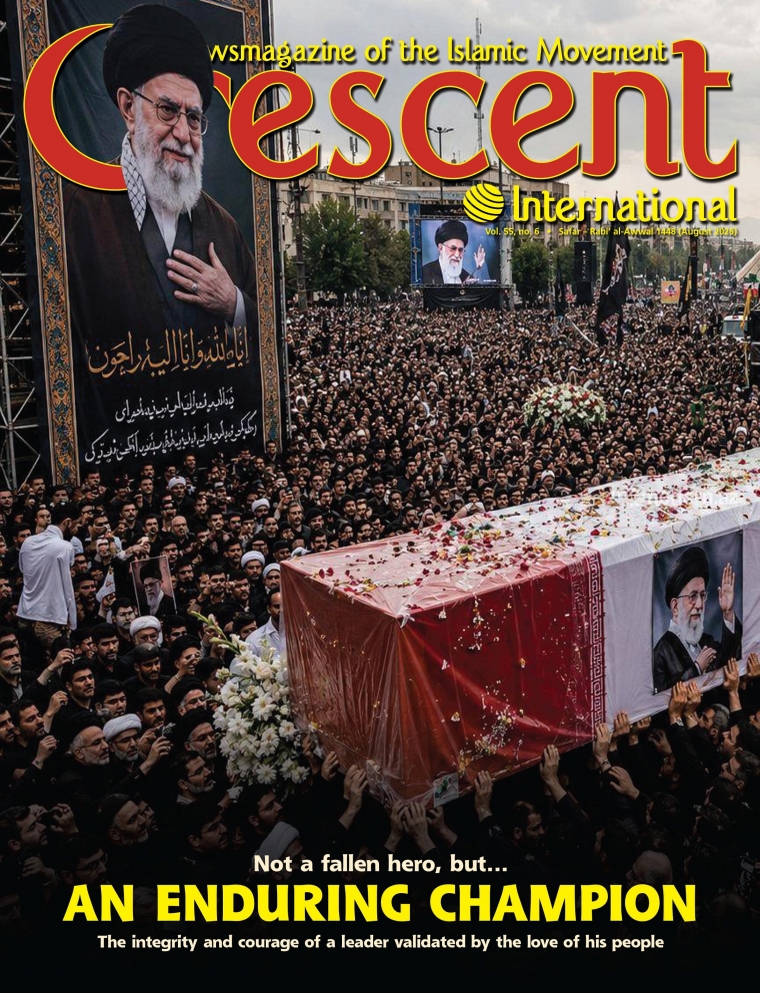
Defying conventional wisdom and all expectations, the Islamic Republic of Iran successfully defeated the evil duo—the US and Israel—and ...

The Axis of Resistance may be a regional informal alliance at present but its impact is much wider. If the collective west is supporting the...
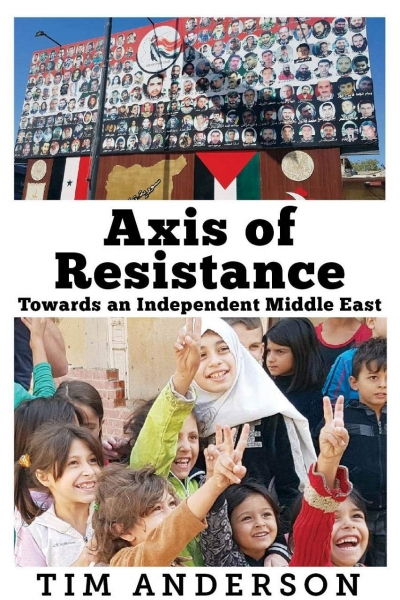
Tim Anderson’s book, The Axis of Resistance, falls somewhat short of taking a clearer view of the reality on the ground. Eric Walberg take...