 Archives
Multimedia
Donate
About
Sign In
Archives
Multimedia
Donate
About
Sign In



 Omar Ahmed


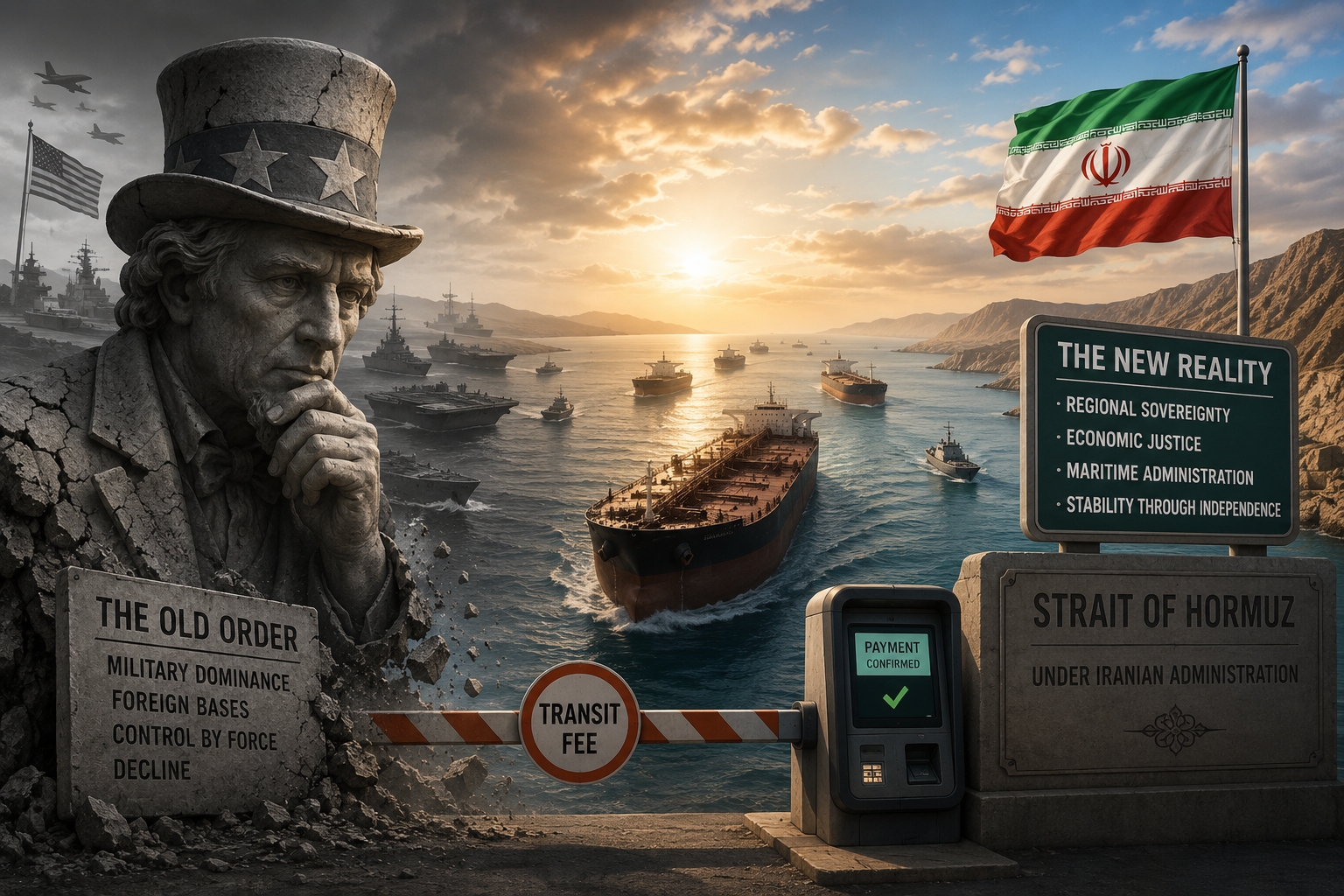
Recent developments have again drawn attention to Iran’s position within its immediate neighbourhood. External pressure, particularly from the US, remains a constant. Yet regional dynamics are equally shaped by political differences, security concerns, and competing alignments among Persian Gulf states.
Despite periodic attempts at rapprochement, Iran’s relations with its western neighbours continue to oscillate between cooperation to deep mistrust. These ties shift in response to changing balances of power, economic interests, and the wider contest over influence in West Asia.
Oman
Among GCC states, Oman stands out as Iran’s most consistent partner. Muscat’s policy of neutrality and independent decision-making has enabled a stable relationship that has endured before and after the 1979 Islamic Revolution.
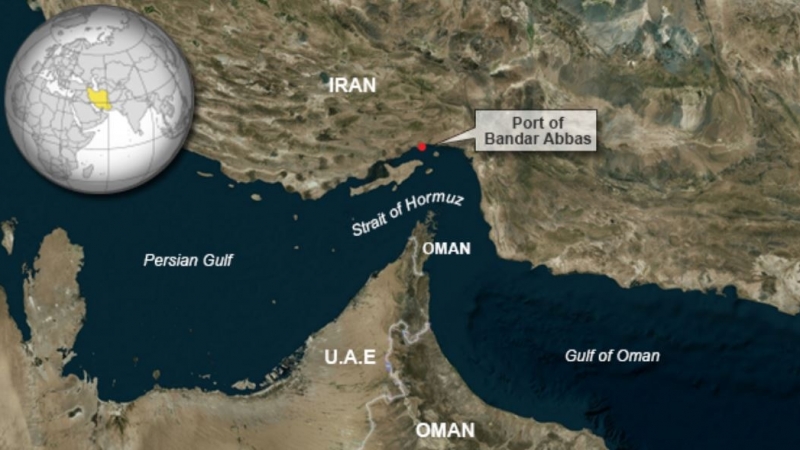
Geography remains central. Both countries share oversight of the Strait of Hormuz, a vital route for global energy flows. This has encouraged coordination in maritime security and crisis management, even during periods of regional tension.
Oman has also played a key mediating role. Its facilitation of indirect communication between Iran and the US has strengthened trust while preserving Muscat’s diplomatic autonomy. For Tehran, this channel has been particularly valuable during periods of sanctions.
Recent agreements point to a relationship that is becoming more structured and institutionalised. Cooperation now extends beyond informal understandings into legal, economic, and governmental frameworks.
United Arab Emirates (UAE)
Iran’s relationship with the UAE reflects a combination of economic interdependence and strategic caution.
The emirate of Dubai has long served as a commercial gateway for Iran, providing access to trade, finance, and logistics. Iranian businesses have played a visible role in the emirate’s economy, and trade has persisted despite sanctions.
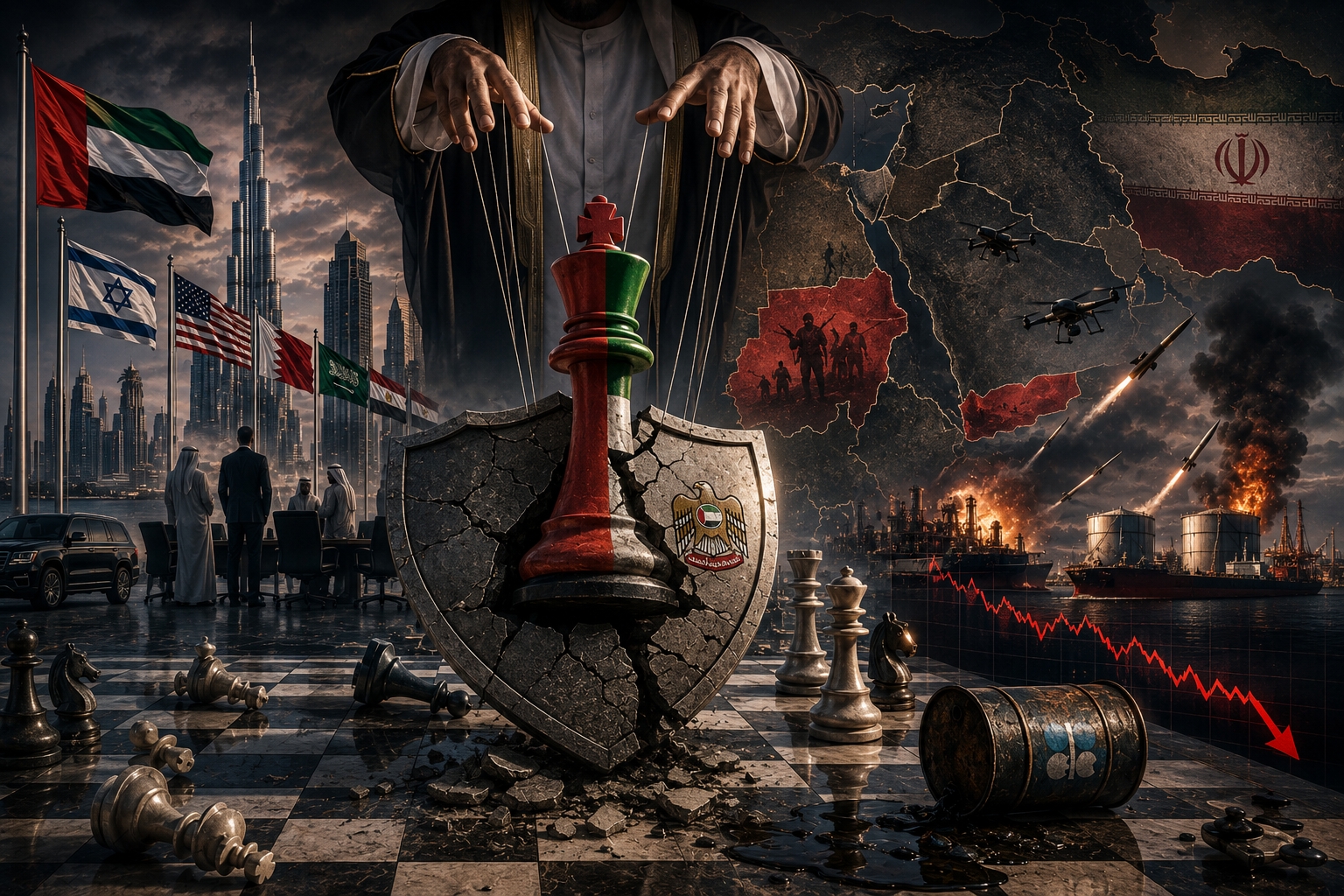
At the same time, security considerations continue to shape Abu Dhabi’s approach. Defence planning and military procurement have been influenced by concerns over Iran’s regional posture. The UAE’s normalisation with the zionist entity has added a further layer of complexity, particularly with the expansion of defence and technology cooperation.
For the UAE, especially Dubai, Iranian commerce generated substantial revenue and reinforced its role as a regional trading hub. During the 2019 tanker attacks and regional tensions following American “maximum pressure” sanctions, the UAE quietly opened maritime-security talks with Iran rather than escalating. Following the regional détente that began around 2021–2023, senior officials exchanged visits and sought to normalise relations further.
Focusing on the primary sticking point, Iran’s concerns about the UAE progressed in line with the latter’s deepening ties with Tel Aviv. In January and June 2025, the UAE’s state-owned defense conglomerate, EDGE Group, invested tens of millions of dollars to acquire a 30% stake in the zionist entity’s ThirdEye Systems to co-develop AI-driven drone detection platforms.
While it officially denounced the June 2025 zionist entity’s attacks against Iran, a contract with Elbit Systems was signed by the end of the year.
Of course, the UAE’s conduct throughout Operation Epic Fury has put it on a confrontational track with Iran. Abu Dhabi’s directives included the seizure of Iranian assets located in its territory and the barring of Iranian expats.
As the UAE lies astride the Strait of Hormuz, the basis for a very difficult relationship over the waterway has been set. The issue of the three islands disputed between Iran and the UAE also remains.
Qatar
Iran’s ties with Qatar are shaped by shared economic interests and pragmatic engagement.
Both countries sit atop the world’s largest natural gas field, creating a strong incentive for sustained dialogue. This shared resource has helped maintain communications even during wider regional tensions.
Qatar has pursued a relatively independent foreign policy, maintaining relations with Iran while hosting major US military bases. This balancing approach became particularly evident during the Saudi-engineered 2017–2021 Gulf crisis, when Iran facilitated trade routes and opened its airspace to support Qatar under blockade.
While this period improved relations, the continued presence of US military infrastructure remains a point of sensitivity for Tehran. As a result, cooperation continues alongside caution.
Qatar’s Al Udeid Air Base played a critical role in facilitating the illegal American invasion of Iraq in 2003. Over the years, the base has been used to surveil Iranian forces across West Asia, and it finally played another critical role in Operation Epic Fury as a launching pad for strike and tanker operations. US Air Force F-15s took off from this base to attack targets across Iran.
Its priority was such that the Islamic Republic of Iran Air Force (IRIAF) committed its few remaining legacy combat aircraft, such as the Sukhoi Su-22, to conduct airstrikes against it following Operation Epic Fury.
Based on these developments and the retaliatory strike on the Ras Laffan LNG plant, Qatar has seized sovereign funds belonging to Iran, and the trajectory of future events will depend on what sort of an agreement is reached between them.
Kuwait
Iran’s relationship with Kuwait is marked by cautious engagement.
Kuwait’s experience during the Iraq–Iran war and Saddam’s invasion in 1990 shaped a strategy that combines reliance on US security guarantees with limited engagement with Iran. This reflects both concern and recognition of geographic proximity.
Tensions have surfaced at times, particularly over security-related allegations. The 2015 Abdali Cell case led to diplomatic strain and reinforced Kuwaiti concerns. Disputes over the Durra (Arash) gas field also remain unresolved.
The dispute intensified after Kuwait and Saudi Arabia signed agreements to develop the field without Iranian participation. Tehran repeatedly warned that it would pursue its rights if excluded. The disagreement remains unresolved and has become the single most important bilateral dispute between the two countries.
Military installations in Kuwait, such as Camp Buehring and Ali Al Salem Air Base, would go on to serve as critical staging points for US military operations against Iran and Iranian allies in Iraq. Naturally, this prompted extensive Iranian targeting via drones and ballistic missiles.
Despite these issues, both sides have avoided escalation and maintained communication channels.
Bahrain
Relations between Iran and Bahrain remain strained.
Historical disputes, political mistrust, and differing regional alignments have shaped the relationship. Bahrain’s authorities have repeatedly accused Iran of interference, while Tehran has rejected these allegations.
The events of 2011 deepened tensions, as did Bahrain’s decision to normalise relations with the zionist entity. These developments have aligned Manama more closely with Iran’s regional rivals.
The population of Bahrain consists of a Shia Muslim majority that has faced dilution over the decades. This has been through an active Bahraini policy of settling Sunnis. Iran has understandably positioned itself as the protector of Bahraini Shias, who themselves have alleged discrimination in public life over the decades.
In addition to hosting the US Fifth Fleet in Bahrain, the conflict between the rulers and the ruled has served as the operational justification for Iranian strikes. It must be noted that a renewed uprising had begun in Bahrain not long after the first American and entity strikes targeted Iran. In a repeat of 2011, Jordanian riot police were deployed to suppress the uprising.
The security of Bahrain matters to Saudi Arabia as a buffer, and the King Fahd Causeway has come to symbolize that relationship. As long as the sectarian angle to Iran’s relationship with Bahrain remains, relations are likely to remain hostile.
A region shaped by divergence
Iran’s relations with its western neighbours reflect a varied and shifting regional picture.
Oman demonstrates the potential for sustained cooperation grounded in mutual interests. Qatar and Kuwait show that cautious engagement remains possible despite differences. The UAE reflects a balance between economic ties and strategic concerns, while Bahrain remains firmly adversarial.
Across these cases, regional states continue to navigate their ties with Iran under the shadow of external pressure.
Pragmatism is often necessary, even where mistrust persists. The result is a regional order that remains fluid and sensitive to change.