 Archives
Multimedia
Donate
About
Sign In
Archives
Multimedia
Donate
About
Sign In



 Zafar Bangash


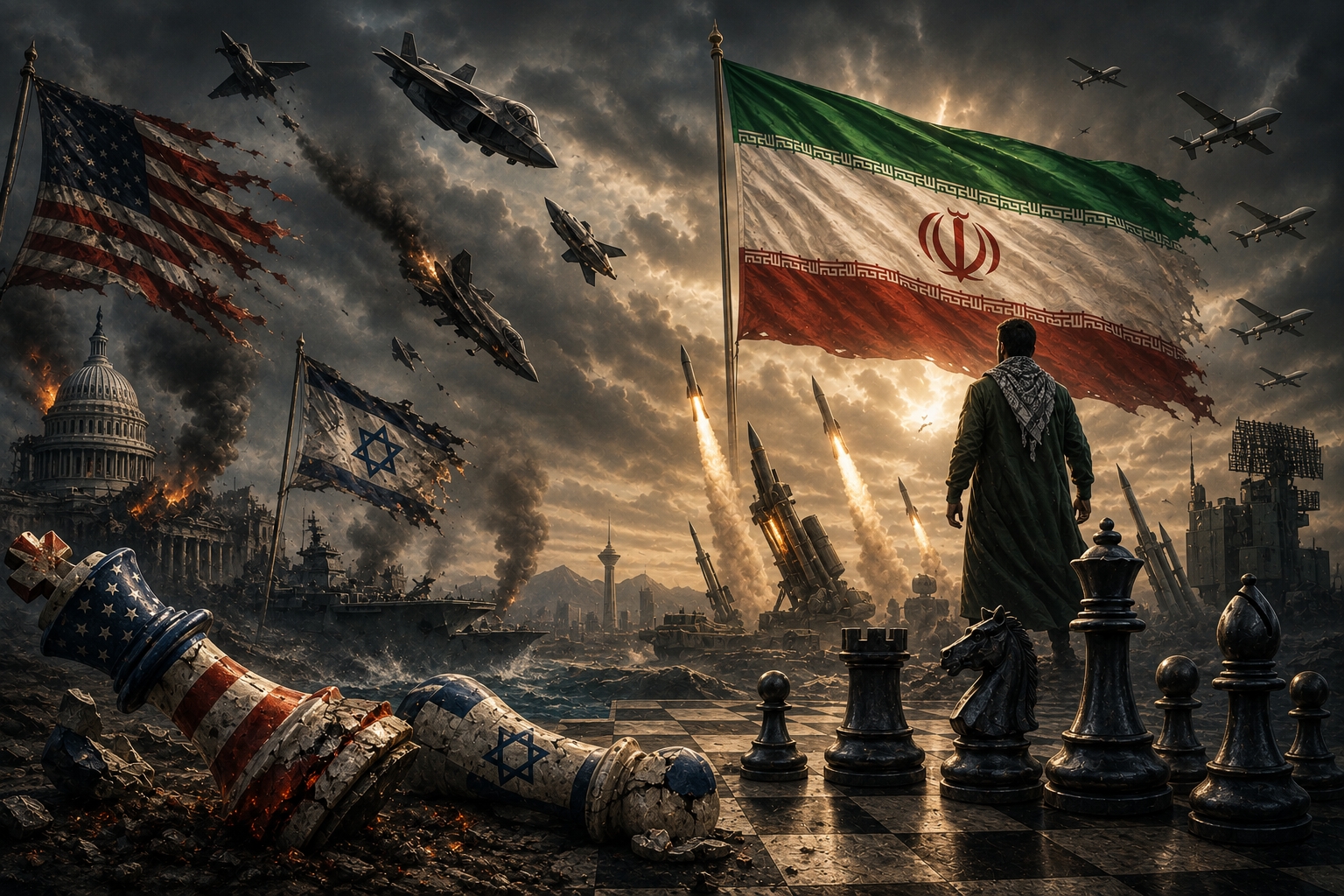
It is a well-known axiom that you never fight a war according to your enemy’s plans. The ongoing US-zionist war of aggression on the Islamic Republic of Iran has demonstrated this clearly.
While Islamic Iran was not expecting the June 2025 attack because negotiations were underway, the war criminals’ second attack eight months later did not catch Tehran totally by surprise. Both wars were launched in the middle of indirect negotiations.
Neither war is justified under international law or the UN charter. Both constituted crimes against humanity.
What the twin wars have demonstrated is the duplicitous nature of the Americans and their zionist allies. This should have been obvious to policymakers in Tehran but there were those who assumed that the US was serious in resolving issues through negotiations.
This mistake cost them dearly. Almost all top commaders were martyred in their homes when the zionist war criminals struck on the night of June 13, 2025. While this was a serious blow, the Islamic Republic recovered quickly to defend itself against the US-zionist onslaught. It was the zionists that begged for a ceasefire after 10 days and the war ended after 12 days.
There was a body of opinion in Tehran that felt that agreeing to the ceasefire was a mistake. They felt the war should have been continued.
The 12-day war, however, created the realization in Iran that the US-zionist war criminals will attack again. Thus, they prepared for the next round vigorously.
Between the two wars, there was a strategic shift in the thinking of top officials—civilian and military—that they should not fight the next war according to the plans or timing of the enemy. Islamic Iran must set the rules of engagement.
Before his martyrdom in the US-zionist attack on February 28, 2026, the Rahbar, Imam Seyyed Ali Khamenei had warned that the war will no longer be confined to Iran’s borders. The US-zionist plan was to determine the geography and timing of the war. This is what the US-zionist tag team had done in June 2025.
Islamic Iran refused to fight the war on US-Israeli terms. It had already decided to widen the war, both geographically and in terms of its duration.
The current situation reflects this new reality. Despite a ceasefire of sorts being in place since April 7 and a memorandum of understanding (MoU) signed on June 18, 2026, Islamic Iran not only responds to US violations but it has taken the initiative and determines the tempo of the war. Control of the Strait of Hormuz and the blockade’s expansion to Bab al-Mandab illustrate this thinking.
While the US has been at war virtually its entire history of 250 years, Iran has not attacked any country in the same period. True, it has defended itself vigorously when attacked but it has not initiated aggression.
There were many provocations against it but it always showed strategic patience. For instance, during the Iraqi-imposed war from September 1980 to August 1988, almost all Arabian regimes, particularly the Kuwaitis took a very aggressive stand toward the Islamic Republic. After the war ended, Tehran could have hit the Kuwaitis. It did not.
In August 1990, the Iraqi dictator Saddam Husain attacked and occupied Kuwait despite the latter’s support in his war on Iran. The Americans had tricked Saddam into invading Kuwait. The plan was to drive his forces out of Kuwait and wipe out Iraq’s massive stockpile of weapons that were left in his possession when his war of aggression against Iran ended in August 1988. The US attacked Iraq in January 1991.
The retreating Iraqis set fire to almost 900 oil fields in Kuwait. The pleasure-loving Kuwaitis had no expertise in putting out such fires.
The Islamic Republic sent teams of experts to help put out the fires (there were fire fighting teams from other countries as well). One could hardly find another example of such magnanimity anywhere the world.
How did the Kuwaitis reciprocate Iran’s goodwill gesture? They have not only provided military bases to the Americans, like other Arabian regimes, they have allowed these bases to be used to launch attacks against the Islamic Republic.
Tehran has decided to not show any more strategic patience. Those who attack Iran, or facilitate attacks against it will face severe repercussions.
Regardless of Kuwaiti or other Arabian dictators’ protests about being hit, Islamic Iran has decided on escalation dominance. Its retaliatory strikes are no longer proportional. Tehran has established a new paradigm based on power projection.
In the past, the dominant thinking in Tehran was that adherence to international law and appeals to international organisations such as the UN would secure its rights. Iran’s adherence to the terms of the JCPOA despite Donald Trump walking away from it in May 2018 reflected this thinking.
For more than a year, Iran waited for the European members of the JCPOA to fulfill their obligations, as stipulated in the nuclear agreement that they had signed and the Security Council had endorsed. The Europeans did nothing.
Successive US regimes—whether Republican or Democrat—have imposed illegal sanctions on Iran, frozen its assets and even threatened other countries with sanctions if they traded with it.
American actions were and are illegal. Neither international law, nor UN Security Council resolutions such as SC resolution 2231 that the US and its allies have violated with impunity, helped Iran to secure its rights.
Tehran had to find creative ways to overcome the negative consequences of the collective west’s illegal sanctions and other hostile acts. It is, however, the shift in strategic thinking in Iran as a result of the ongoing war that is most striking.
Decision-makers in Tehran have concluded that costs determine the outcome of a war, not international law. The US—and the collective west—invokes international law when it suits them.
Consider the International Atomic Energy Agency (IAEA); it demands Iran’s compliance with its NPT obligations but has remained totally indifferent to the illegal US-zionist attacks on its nuclear facilities that constitute war crimes.
Thus, Islamic Iran has decided to escalate the cost of the war for the US and zionist Israel. Rising gas prices and the resultant grocery costs for American consumers have brought home the point that Iran can also inflict pain on them. The Iranians have borne such pain for decades.
Indeed, by regulating tanker traffic through the Strait of Hormuz, Tehran has got the global economy in its grip. The Yemeni Ansarallah’s control of Bab al Mandab and attacks on Saudi oil facilities have similarly escalated the cost of Saudi aggression.
Islamic Iran now has escalation dominance. Trump is trapped in a situation of his own making. The only way out for him is to accept Iran’s terms or face even greater humiliation and pain.
Continuing his failed policy of threats and bluster will not force Iran to back down. The consequences of Trump’s folly will become apparent in the November congressional elections. The Republicans may lose control of both houses of Congress. The likelihood of Trump’s impeachment cannot be ruled out either, a prospect he truly dreads.


If the US were to try and meddle with the Iran deal, it would end up as loser.

The very idea of US-Iran talks appears far-fetched given the extreme hostility Trump showed toward Tehran during his last term as president....

What direction the indirect talks between Iran and the US would take is difficult to predict. In the latest round on April 26, the US demand...
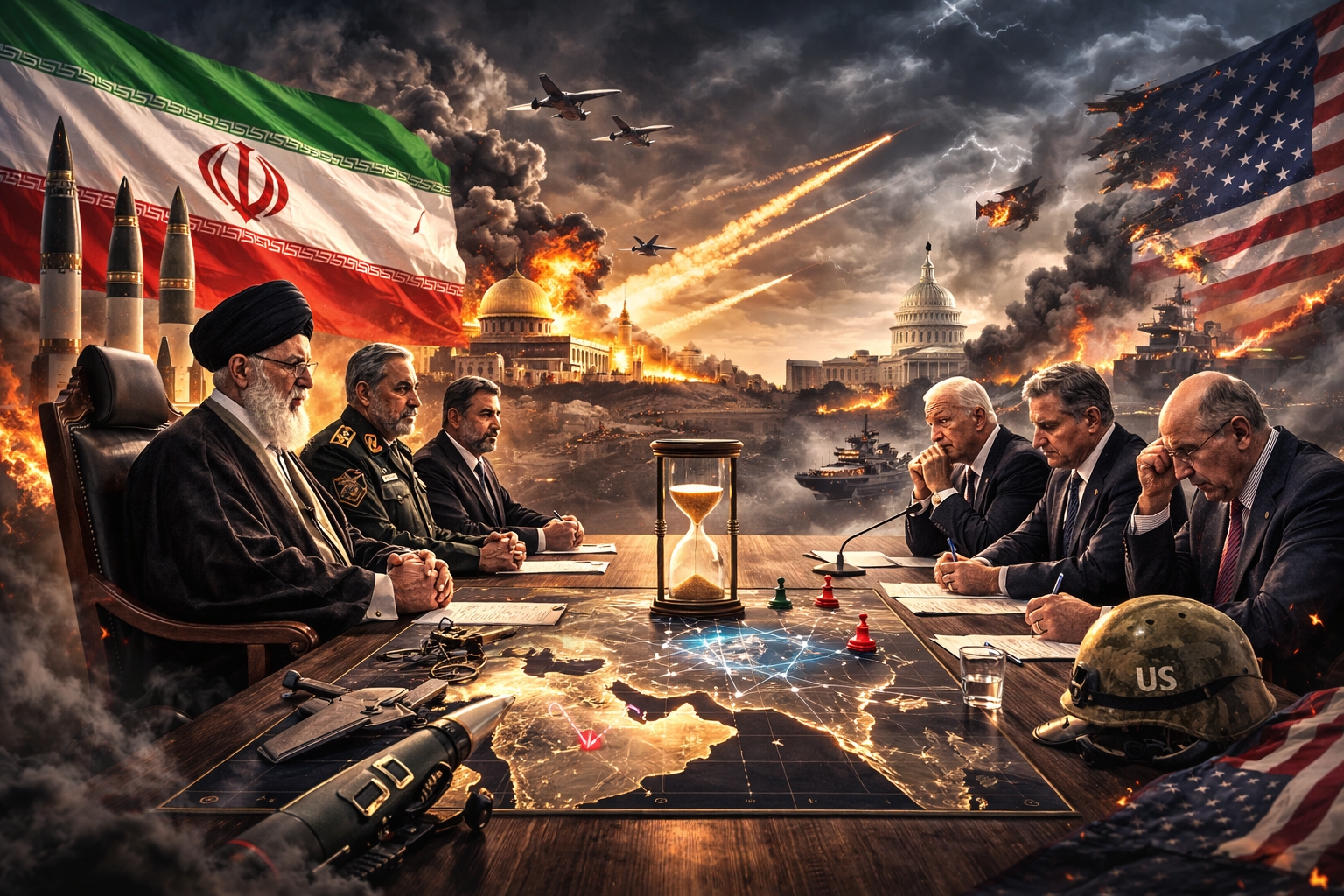
Many people ask, with good reason, why Islamic Iran continues to negotiate with the US when its record is upholding any agreement is appalli...