 Archives
Multimedia
Donate
About
Sign In
Archives
Multimedia
Donate
About
Sign In



 Crescent International


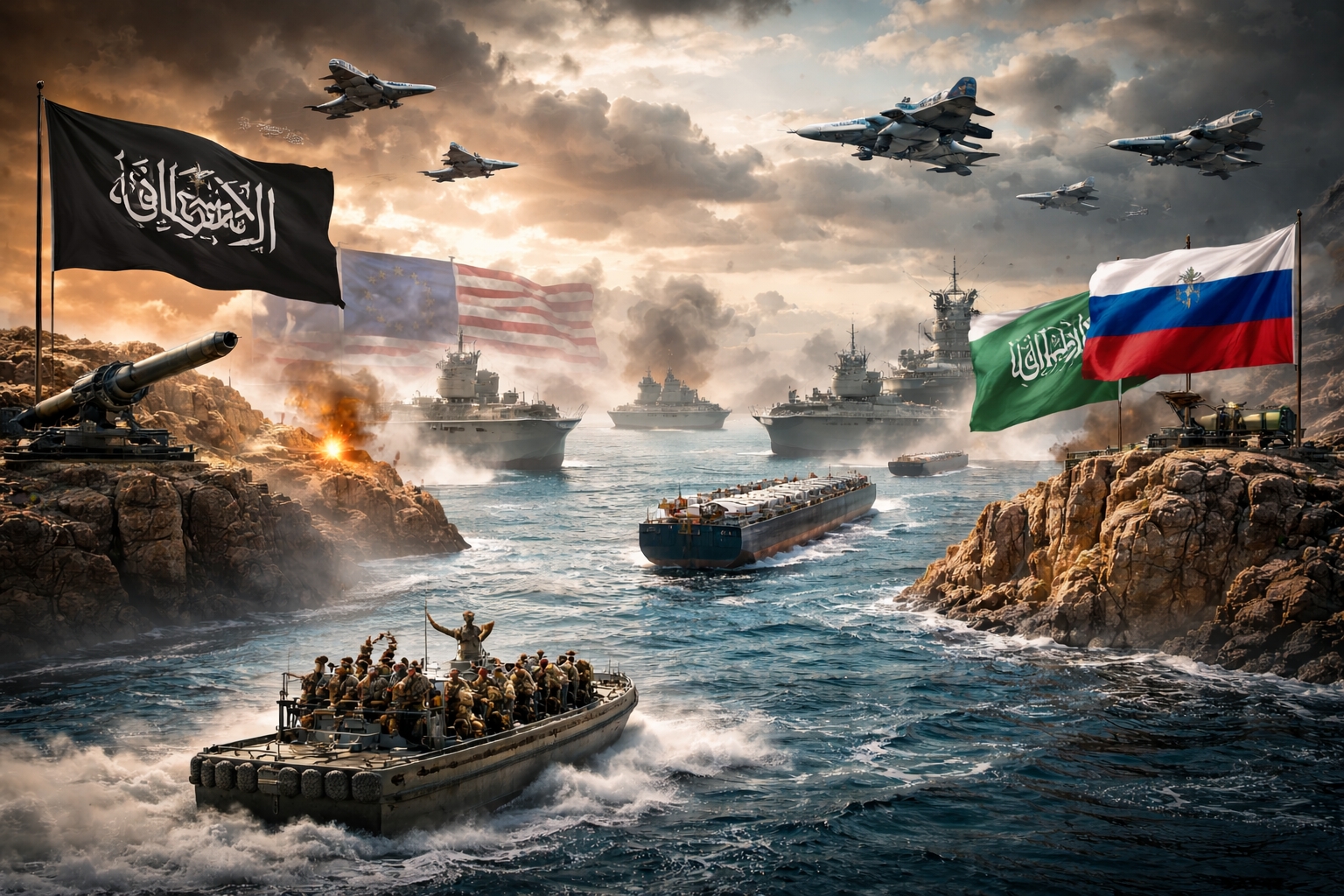
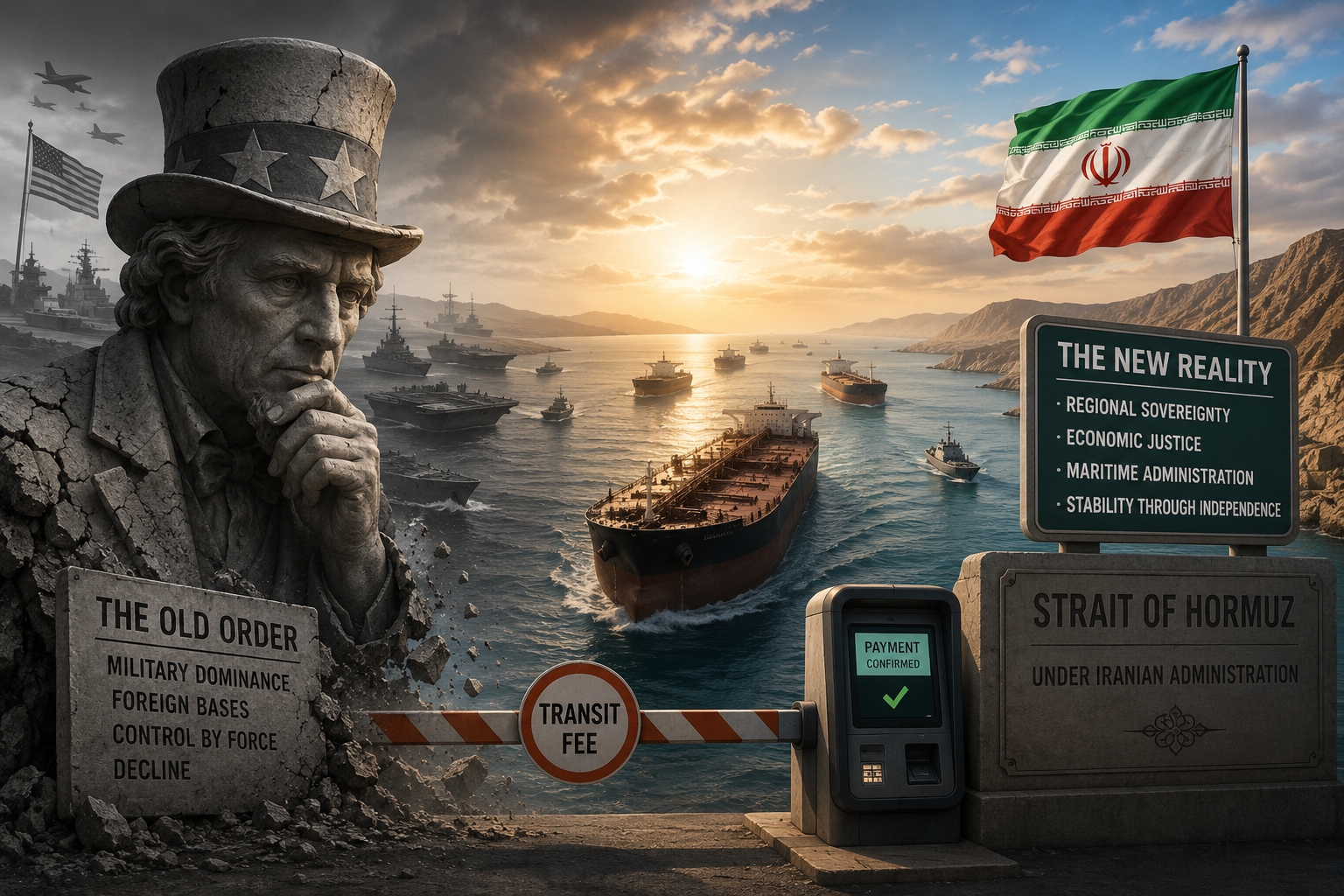
The Strait of Hormuz is no longer merely a maritime passage supplying energy to the industrial economies of western regimes.
It is rapidly emerging as a strategic front in the broader global struggle against the imperial order that has long enabled Europe and the United States to shape political outcomes through economic leverage across West Asia and beyond.
For decades, western regimes weaponized livelihoods of the developing world by backing illegitimate dictatorships in the GCC region, using their economic and political subordination as tools of wider economic control and pressure.
That set-up is now collapsing.
After shifting away from Russian energy imports to inflict economic pain on Russia, the EU regimes assumed they had secured greater energy independence and protection from geopolitical turbulence.
In reality, that dependence has not disappeared, it has merely shifted southward, leaving their economic stability increasingly tied to a region in which Islamic Iran holds significant strategic leverage.
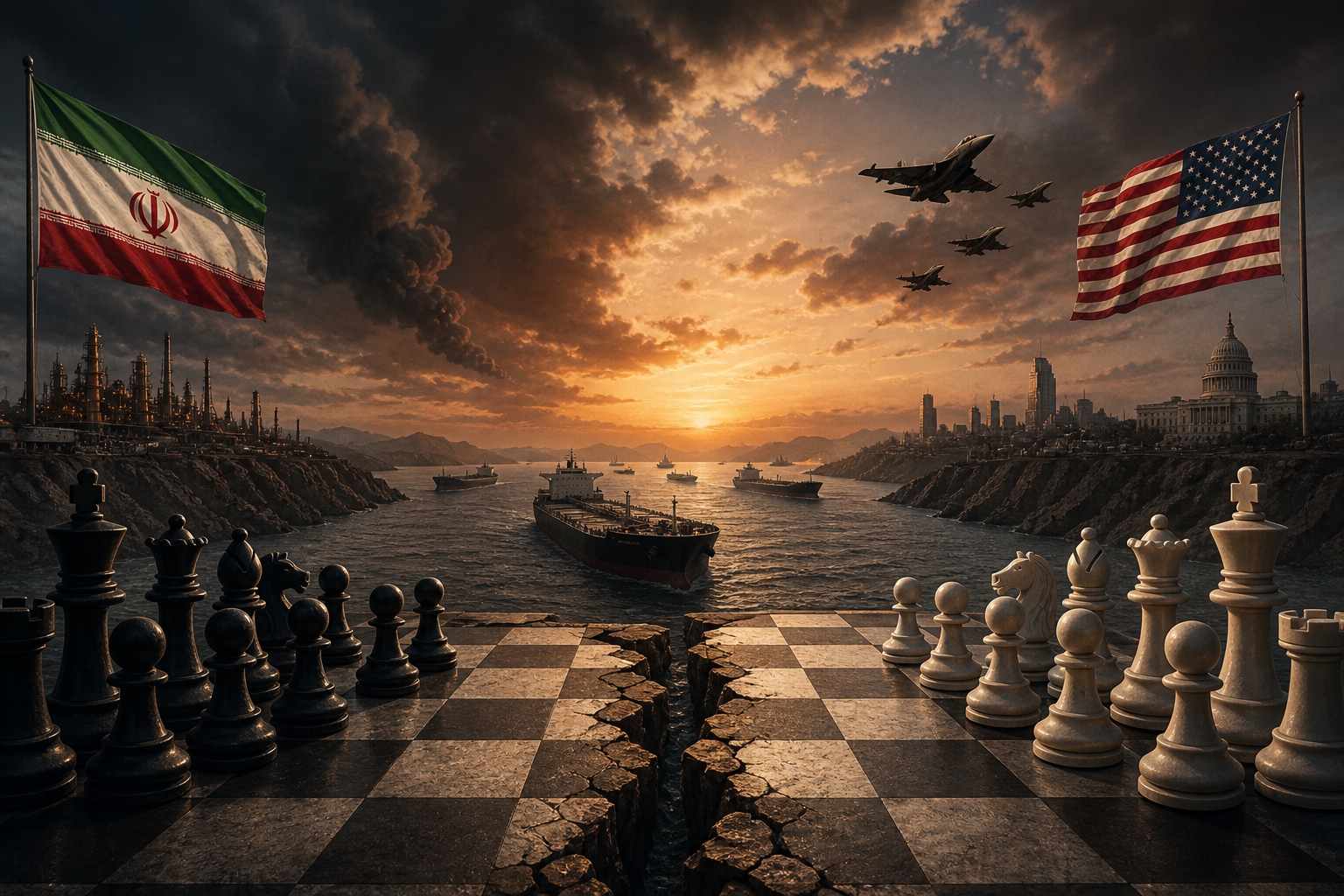
Tehran is well positioned to derive maximum strategic and economic benefit from this new reality, while Russia, as Iran’s key geopolitical partner, is equally poised to exploit this shift to strengthen its position vis-à-vis Europe.
It is within this context that Russia’s strategic interest in stronger Iranian control over the Strait of Hormuz must be understood.
Recent reporting and analysis suggest that disruptions around Hormuz have already increased pressure on European energy markets while simultaneously boosting Russian revenues and strategic leverage in the Ukraine conflict.
However, it would be unrealistic to assume that Russia will become directly involved in Iran’s control of the Strait of Hormuz or provide overt military assistance.
Moscow’s role is more likely to remain indirect, operating primarily through political backing, diplomatic coordination, and expanded economic trade and barter arrangements.
Any assessment of Russian support must therefore remain measured and realistic, recognizing that its involvement will likely be strategic and behind the scenes rather than openly military.
What is changing today is that the instruments of economic pressure are no longer monopolized by NATO regimes.
In that sense, Hormuz is no longer simply an Iranian frontier.
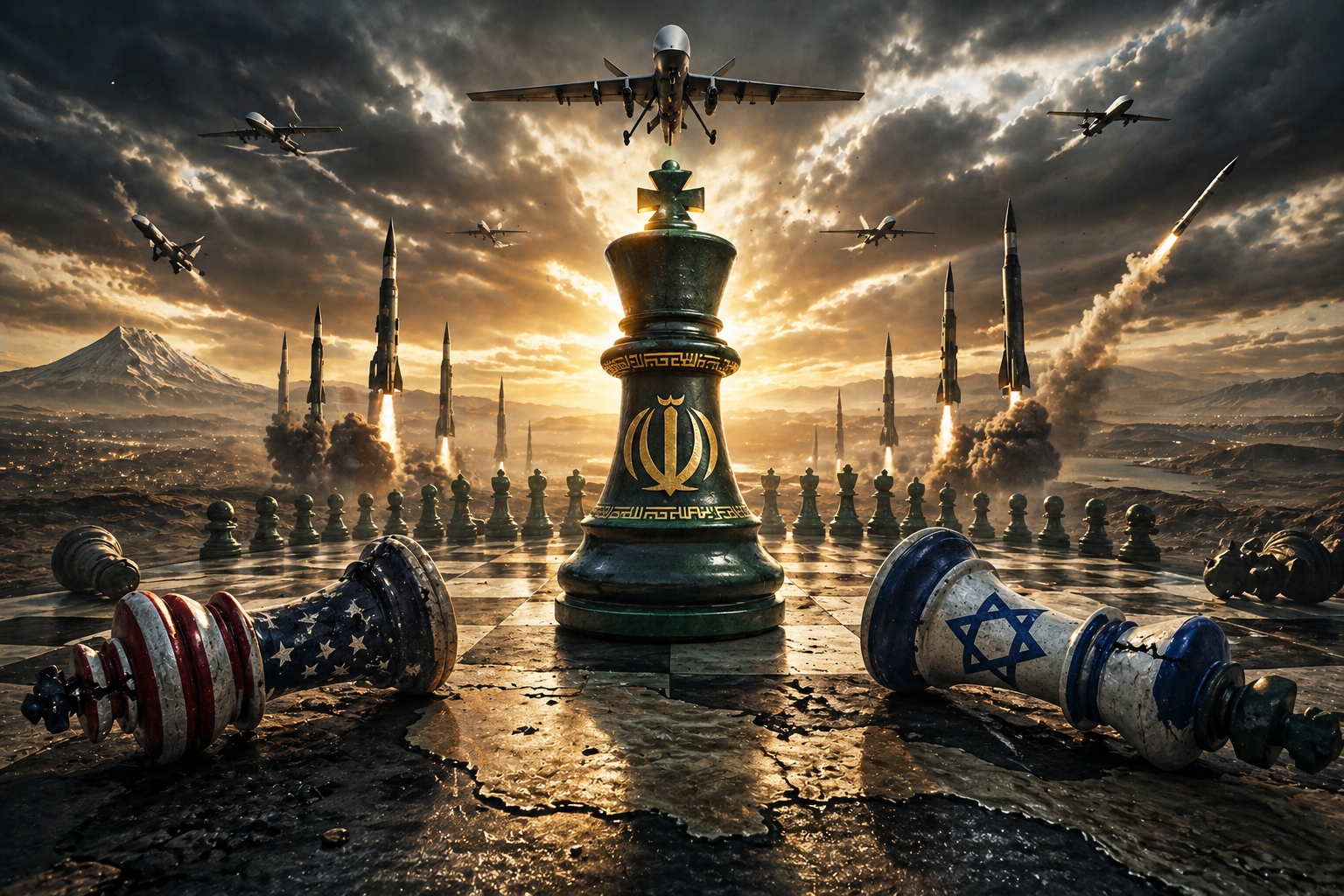
It is an emerging front in the global struggle against western imperial dominance.
Russia’s strategic objective will likely be to ensure that Iran’s hold over the Strait of Hormuz becomes enduring and irreversible in practice, even if it is not formally codified in law.
Moscow’s interest lies less in a de jure restructuring of maritime sovereignty and more in consolidating a permanent de facto reality in which Tehran exercises sustained strategic control over one of the world’s most critical energy chokepoints.
Such an outcome would preserve long-term pressure on European energy security, deepen the west’s geopolitical vulnerability, and provide Russia with a durable indirect lever in its wider confrontation with NATO regimes.
In this evolving order, permanence of control in practice matters far more than legal recognition on paper.