 Archives
Multimedia
Donate
About
Sign In
Archives
Multimedia
Donate
About
Sign In



 Crescent International


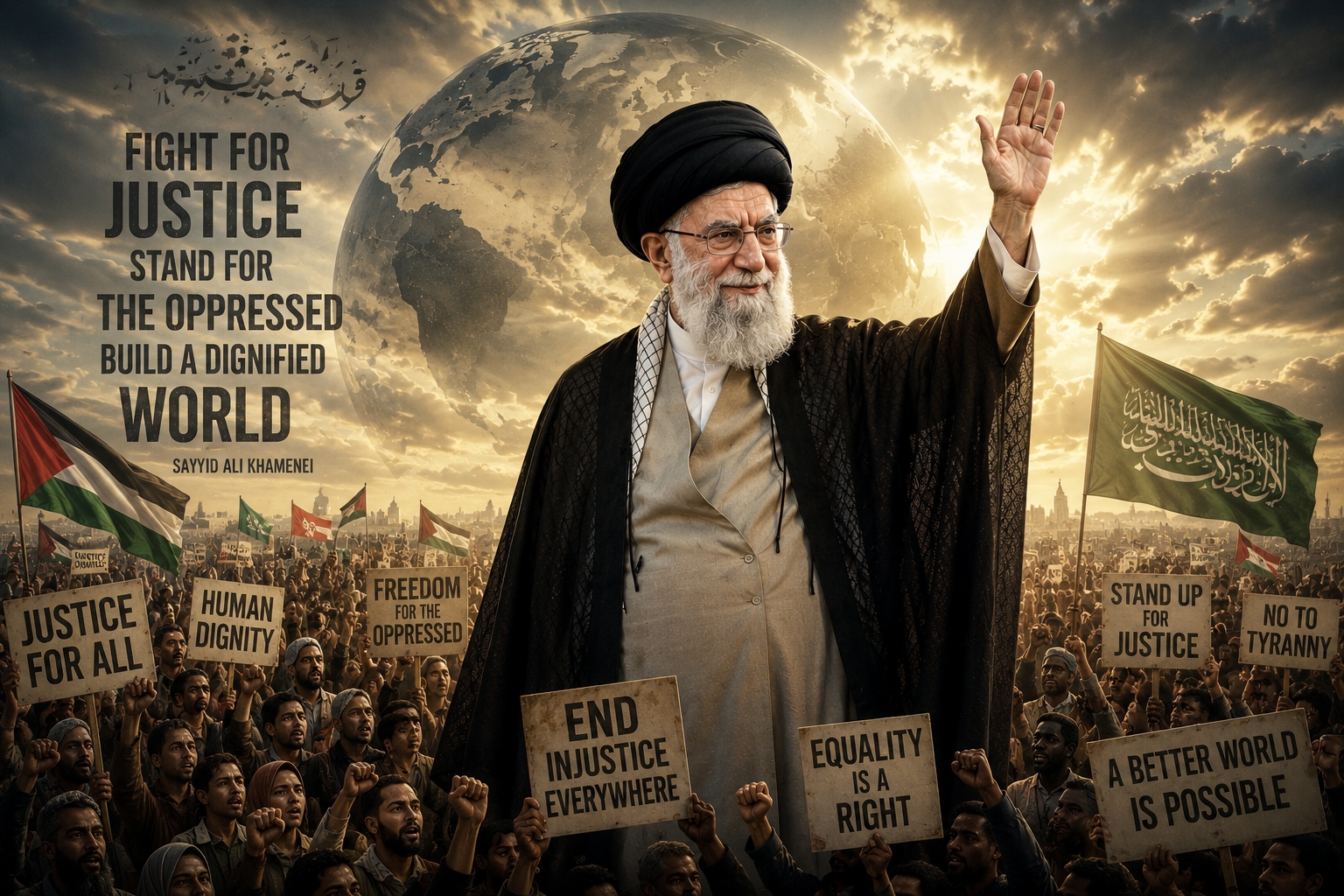
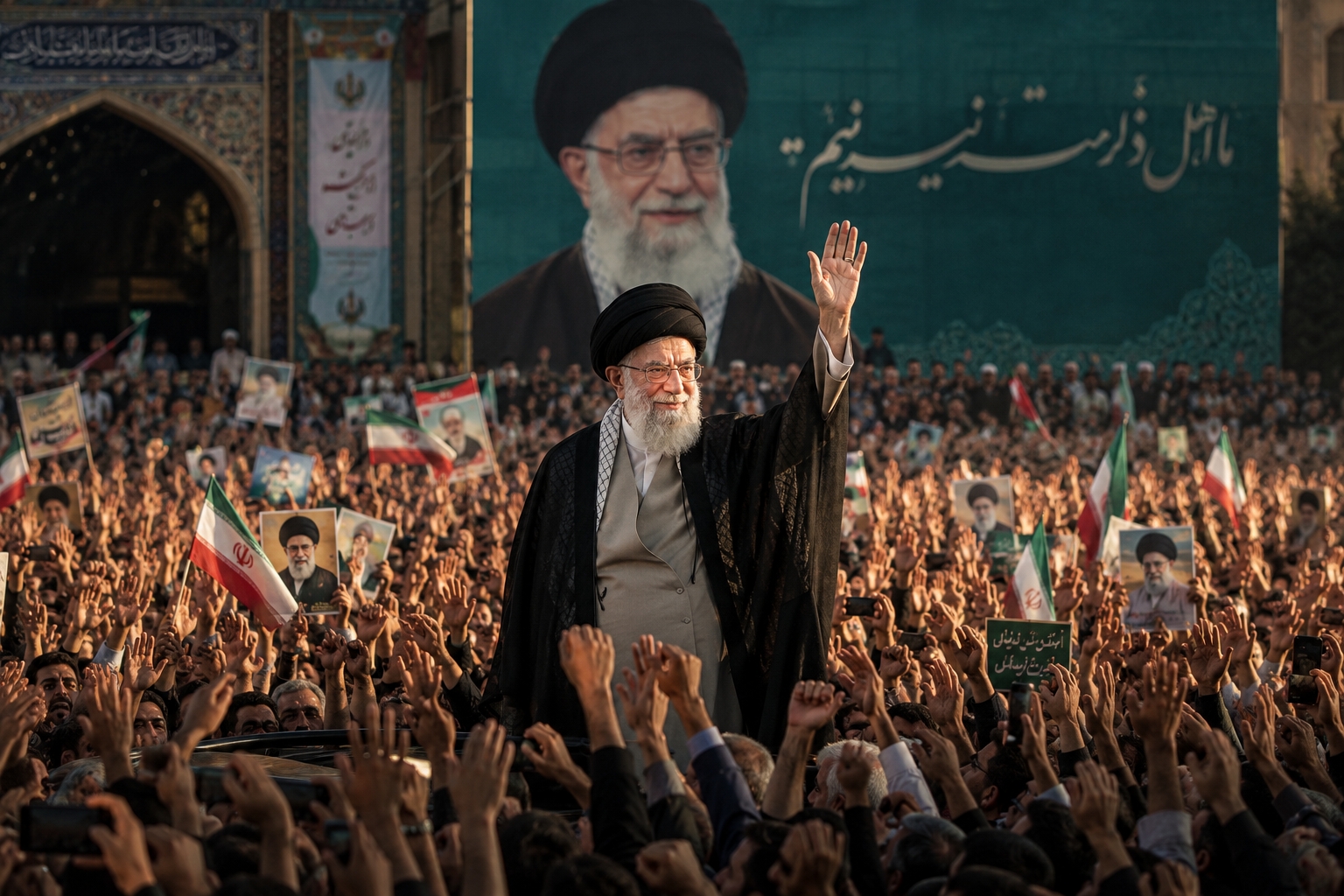
Millions of Iranians converged on the Musalla (the Grand Mosque) to bid final farewell to their martyred leader, Seyyed Ali Khamenei.
People waited for 10 to 12 hours at the gates of the Musalla to open so they could enter to pay respects to their beloved leader.
Thousands of people had also waited all night long outside metro stations to enter and reach the Musalla as early as possible.
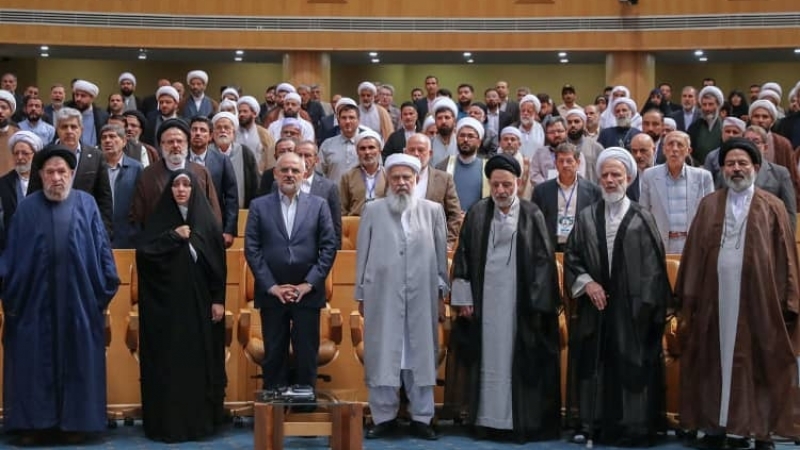
Despite threats by US Secretary of State Marco Rubio to countries in Asia, Africa and West Asia to not attend the funeral ceremonies in Tehran, leaders and officials from some 100 countries as well as representatives of Islamic movements came.
Together with Iranian officials—civil and military—foreign dignitories paid their respects to the martyed leader on Friday July 3, a day before the official ceremonies began.
These included deputy chairman of Russia’s Security Council and former President Dmitry Medvedev, Pakistani Prime Minister Shehbaz Sharif, Interior Minister Mohsin Naqvi and Army Chief Asim Munir, Iraqi President Nizar Amidi and former Iraqi President Abdul Latif Rashid.
Georgia’s President Mikheil Kavelashvili and Armenian Prime Minister Nikol Pashinyan also attended.
Turkiye sent a large delegation led by Vice President Cevdet Yılmaz.
China sent a senior member of the National People’s Congress Standing Committee (NPCS) to represent the country at the solemn ceremony.
The Chinese Foreign Ministry had announced the senior official’s travel plan to Tehran to pay respects on behalf of the Chinese government.
Other foreign dignitories who attended and paid respects to the martyred leader included Afghanistan’s Deputy Prime Minister Abdul Ghani Baradar, and Foreign Minister Amir Khan Muttaqi.
Officials from the Central Asian Republics, West Asia and Africa were also present.
Saudi Deputy Foreign Minister Walid al-Khuraiji led a delegation, in addition to delegations from Qatar, Egypt, and Oman.
There was a large number of ulama from more than 90 countries that came to pay their respects.
These included ulama from Lebanon, Egypt, Africa and Asia.
The family of former Hizbullah Secretary-General Hassan Nasrallah, who was martyred in an Israeli air strike in September 2024, also attended the funeral ceremonies.
Leaders of Hamas and Palestine Islamic Jihad were also present and paid their respects.
According to media reports, long before the official ceremonies began, thousands of mourners carrying red banners, a symbol of vengeance, gathered in the courtyard of Tehran’s Grand Musalla, awaiting the arrival of Ayatullah Seyyed Ali Khamenei’s coffin.
The atmosphere was marked by both sorrow and resolve as chants of “death to America” and “revenge, revenge” echoed across the vast religious complex.
Iranian officials vowed that they would avenge the death of the martyred leader as well as of all Iranian martyrs in the US-zionist crimes.
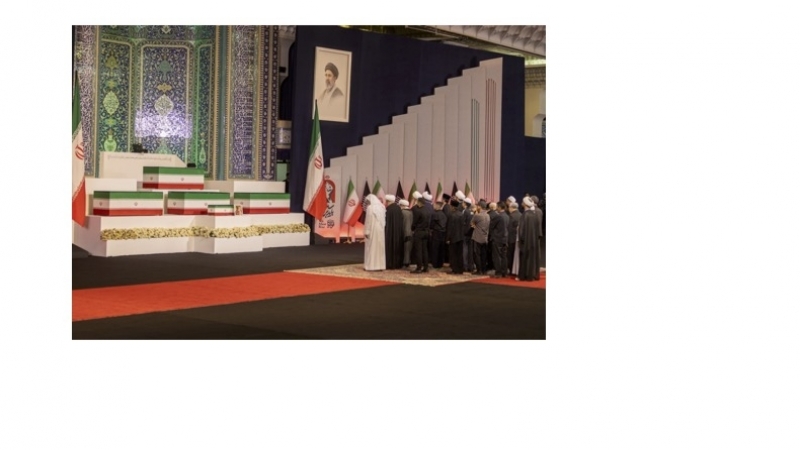
The late leader’s coffin and that of his family members martyred with him, were placed on a high platform visible from all sections of the Musalla.
While Iranians were participating in the last rites of their martyred leader, they looked to the future with hope and pride.
They had lost their leader and many senior officials but they held their heads high with confidence in the future.
Americans were 'celebrating' 250 years of the founding of their country but they did not see much hope in the future.
In one country—Islamic Iran—people came to pay their respects to a martyred leader, in another—the US—they came to perform the last rites of a dying entity.
This is what distinguishes a rising power from a dying power.