 Archives
Multimedia
Donate
About
Sign In
Archives
Multimedia
Donate
About
Sign In



The Qur’an is Allah’s guidance to humanity and the Prophet’s Sunnah and Seerah are the practical manifestations of Qur’anic principles. The Prophet (pbuh) established a society and state based on social justice free from oppression and exploitation.
In this article, Abu Dharr discusses why and how Sa ‘d ibn Abi Waqqas, a very early Muslim and companion of the Prophet (pbuh), was mistreated by Uthman when he became the ruler. Properly understanding early Islamic history will enable us to arrive at the correct conclusions.
The Seerah of the Prophet (pbuh) must not be seen as a disjointed series of anecdotal events but as a model for bringing about transformational change, especially establishing social justice in society.
In his ongoing series from early Islamic history, Abu Dharr discusses the contrasting behaviour of ‘Umar and “Uthman when they ruled the Islamic heartland and beyond. The rapidly expanding Islamic domain also had its impact.
Examining the Prophetic mission in Makkah, it becomes clear that it was geared toward an ideological challenge to the entrenched power structure in society. Rituals were not a part of this phase of the Prophetic mission.
In moving away from ‘Umar’s policy of keeping the newly-converted Makkans to Islam under strict observation, the third Khalifah, ‘Uthman opened the floodgates of elitism and nepotism. This proved disastrous from the Islamic polity.
If the zionists and western media outlets vilify resistance leaders, it is expected because they are the enemies of Muslims. But what about the Saudi media outlets; which side are they on? Their vile propaganda against the leaders of resistance exposes their true nature.
In his continuing series, Abu Dharr sheds light on the role of latter-day Muslims—al-Tulaqa (amnestied combatants in the words of the Prophet (pbuh)) and how Usman’s policies, unintentionally, facilitated their rise into power.
While claiming to be Muslims, the majority of rulers in the Muslim world are absolute munafiqs. Their only loyalty is to themselves, not the well-being of their oppressed people. They must be dealt with according to the Qur’anic prescription.
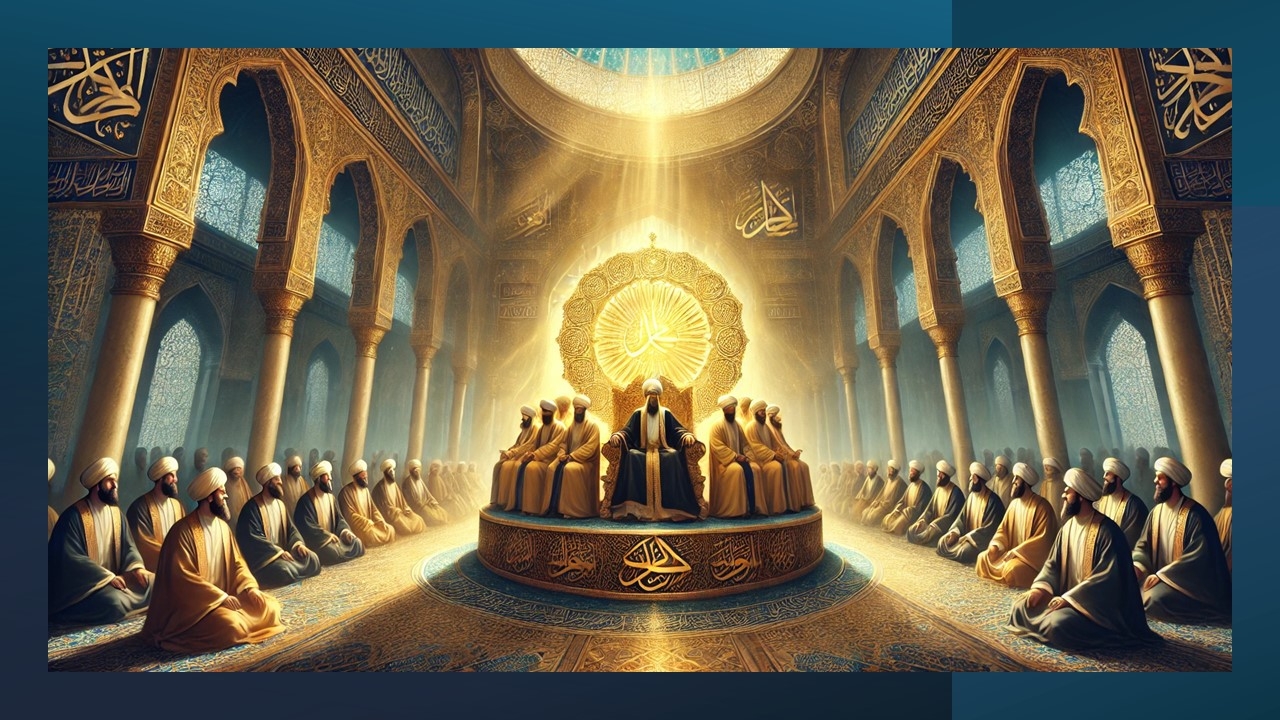
The late-comer Makkan elite to Islam were Muslims of convenience. They harboured deep animosity toward Muslims and waited for an opportune moment to strike. Umar dealt with them sternly while Usman showed leniency resulting in serious consequences for the Islamic polity.
Every year Muslims celebrate the Mawlid (birthday) of the Prophet (pbuh) with great reverence and zeal. Next year, there will be a special occasion: the 1500th birth anniversary of the noble Messenger (pbuh). Will Muslims and their governments celebrate this event properly?
What had started as a goodwill gesture to help the needy and poor in society during Uthman’s rule, turned into exploitation by the rich and powerful. It resulted in serious consequences for the Ummah.
The noble messenger (pbuh) was sent not merely to teach rituals but to transform the society by instilling the understanding that power and authority belong only to Allah. From this follows that only Allah’s laws must be implemented in society. Muslims need to pay close attention to this aspect as they hold Mawlid celebrations this year.
Israel has not only been defeated militarily but also suffered political and geostrategic defeat in Gaza. The mass slaughter of Palestinian civilians merely reflects its frustration.
‘Uthman, the third successor to the Prophet (pbuh), opened the Treasury to benefit the people. It led to the emergence of a class of people who thought it was their right to expect large stipends. The consequences were disastrous for the Ummah.
Despite the indescribable suffering inflicted on the Palestinian people, Islam’s political power is re-emerging in the world. It is this rise that terrifies the zionists and imperialists. Committed Muslims are changing the political dynamics of the world.
In his early years as Khalifah, Uthman followed the policies of his predecessors. This is apparent from the letters he sent to governors and miltary commanders. Diversion from these lofty principles came later.
Muslims faced two serious internal challenges in early Islamic history: one from the group called the munafiqeen and the other from the tulaqa (amnestied prisoners). They both caused immense damage to the body-politic of Islam. Muslims must understand this history properly.
The third Khalifah ‘Usman’s temperate nature was exploited by some unscrupulous individuals and groups to undermine the Islamic polity that ultimately resulted in serious damage to the political system of Islam.
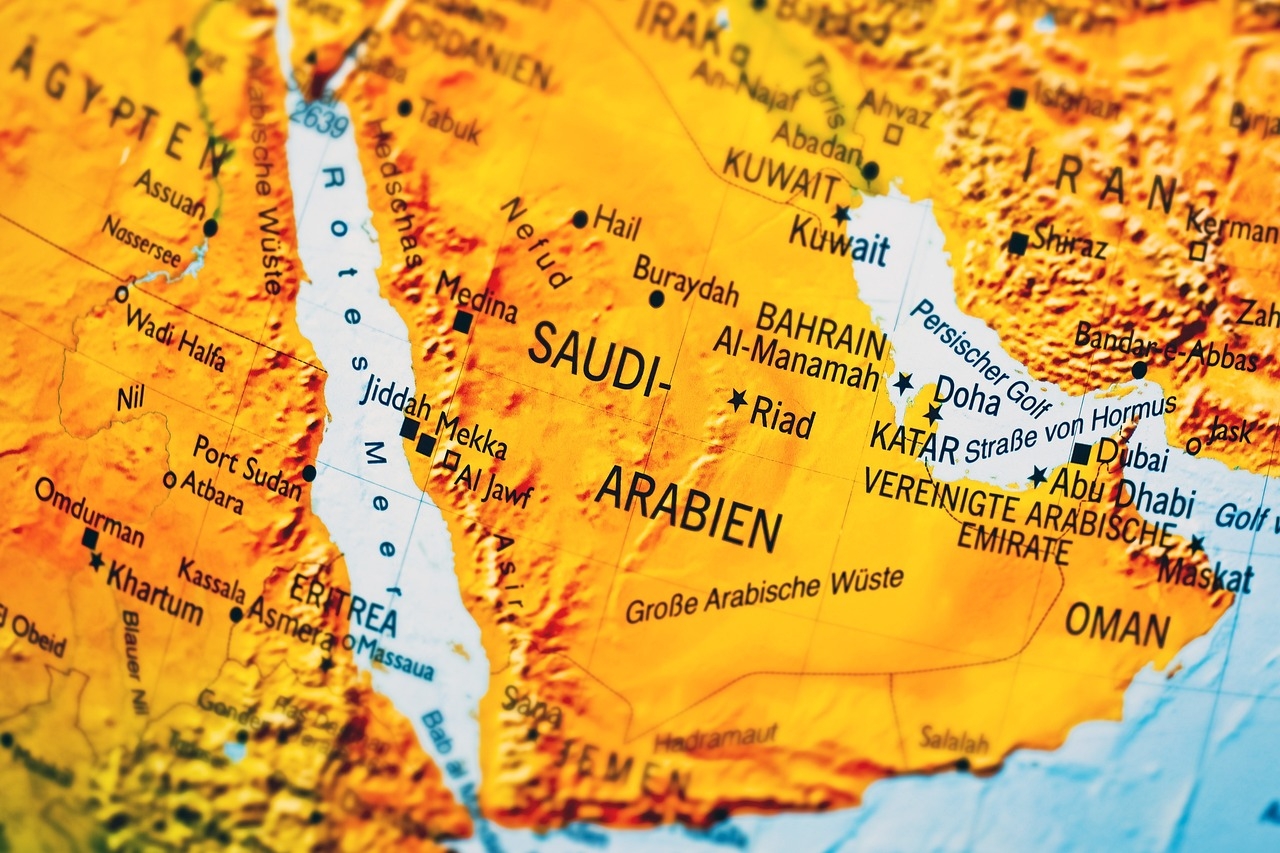
The Bani Saud-occupied Arabian Peninsula was in the past known for its rigid Wahhabism creating much conflict in the Muslim world. Since MbS’ ascension to power, he has gone to the other extreme: vulgarity and nakedness.