 Archives
Multimedia
Donate
About
Sign In
Archives
Multimedia
Donate
About
Sign In


And if Islam happens to be a voice for equality and peace and justice then Islam becomes an obstacle; and when Islam becomes an obstacle, that obstacle has to be removed from this highway of interests and to remove it, it has to be criminalized and Muslims have to be dehumanized to become the easy targets for warfare. This is what we see happening in today’s world.
(நபிகளார் எவ்வாறு அதிகாரத்தைக் கைப்பற்றினார்கள், எவ்வாறு அதைப் பிரயோகித்தார்கள் என்பது சீறாவைப் பொறுத்தவரை முஸ்லிம்களால் முறையாக ஆய்வுசெய்யப்படாத ஒரு அம்சமாகவே எஞ்சியிருக்கிறது. சீறாவின் மென்னதிகாரம் (Soft-power), வல்லதிகாரம் (Hard-power) இரண்டு பற்றியும் நாமொரு பார்வை செலுத்த வேண்டியுள்ளது.
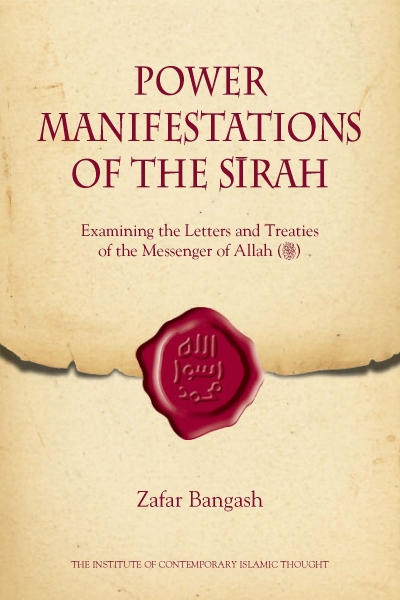
Zainab Cheema reviews Zafar Bangash’s latest book entitled Power Manifestations of the Sirah: Examining the Letters and Treaties of the Messenger of Allah (pbuh) and published by Crescent International for the Institute of Contemporary Islamic Thought (384 pages; soft cover, $30.00).
Muslim political thought seems to have drifted from the teachings of the Qur’an, and the Sunnah and Sirah of the noble Messenger of Allah (s). In Part I of this essay, Zafar Bangash, Director of the Institute of Contemporary Isla-mic Thought, places it back in the Sirah to enable the Islamic movement to transform wayward Muslim societies.
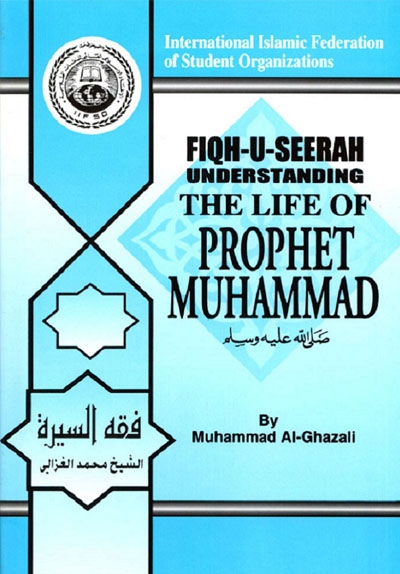
I must hasten to say that I did not write about the greatest of all the personalities, Muhammad (pbuh), 'Blessings and Peace be upon him' son of 'Abdullah, with this limited concept in mind. I am a Muslim through knowledge: I know why I believe in Allah (swt) 'The Exalted', (Lord) of the Worlds, and in the prophethood of Muhammad (pbuh), and why I follow the Book he brought to us. Indeed, I know why I call others to believe in all this which has brought tranquility to my heart.
1For Muslims while the Qur’an is the revealed Word of God, the Prophet’s Seerah [life story/ prophetic model] is its practical manifestation.