
 Archives
Multimedia
Donate
About
Sign In
Archives
Multimedia
Donate
About
Sign In



 Crescent International


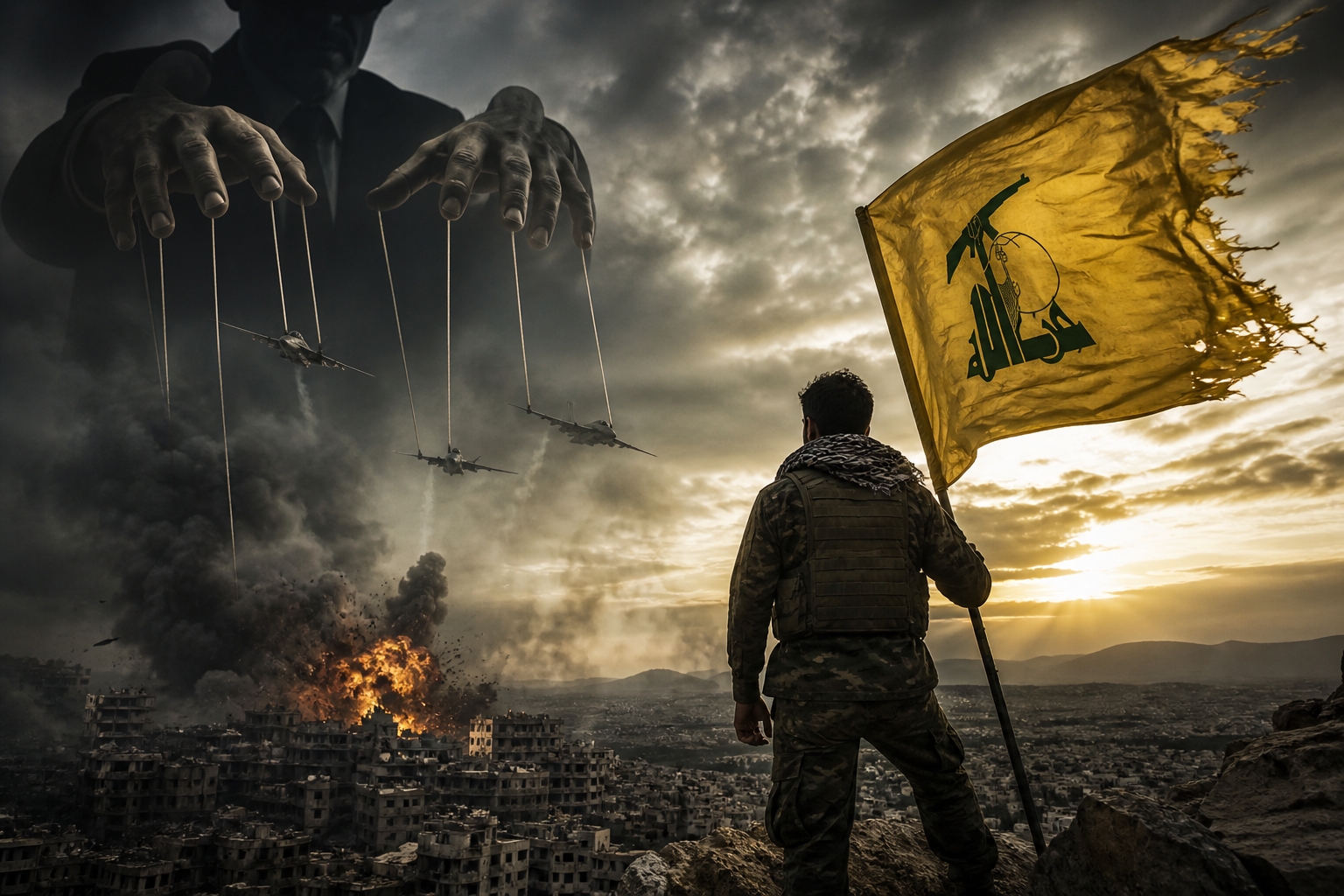
For more than a year, Israeli propaganda and its western backers have peddled the narrative of steady progress toward totally neutralizing the Lebanese front.
Across various western media platforms, and in military briefings and political commentary, the same narrative was repeated: Hizbullah has been strategically weakened and is incapable of sustaining a prolonged confrontation.
Yet the latest phase of the regional war that began in 2023 has demolished this narrative.
Zionist officials and analysts have been forced to concede that Hizbullah remains far from defeated, retains significant operational capacity, and continues to impose strategic pressure on Israel despite extraordinary circumstances.
Hizbullah’s fight against Israel does not mean it is confronting only the zionist entity.
In practice, it means confronting a wider cabal of western regimes that provides Israel with vast military, financial, intelligence, diplomatic, and media support.
This makes Hizbullah’s continued resilience under such conditions even more significant.
All the above carry implications far beyond the battlefield.
Across the Arab and Muslim world, it is likely to lead to a deep and perhaps uncomfortable but necessary discussion about political effectiveness, organizational endurance, and the intellectual crisis facing many contemporary Islamic movements.
The central question is why Hizbullah operating under conditions of severe military, economic and constant surveillance pressure has nevertheless demonstrated a level of institutional resilience that many larger and less-targeted movements have struggled to achieve.
For decades, much of the Arab Islamic political sphere invested heavily in rhetoric, symbolic mobilization, electoral participation, media visibility, and mass emotional appeal.
Yet the events of recent years—from Cairo to Gaza to Lebanon—have exposed a widening gap between popular slogans and durable strategic capacity.
Hizbullah’s ability to continue fighting a regional war against the most formidable military machine highlights a key difference with most other Islamic movements in the region.
It operates through a dedicated, independent, and disciplined structure led by Islamic scholars not dependent on western-backed regimes.
One of the more uncomfortable realities within parts of the wider Islamic intellectual sphere is that sectarian hostility has frequently prevented an honest assessment of Hizbullah’s organizational model.
Instead of studying the movement analytically, many preferred to dismiss it entirely through sectarian reductionism or geopolitical labeling.
Yet historically, serious political movements learn even from their adversaries.
Revolutionary movements in Algeria studied Vietnam.
Military establishments study their enemies relentlessly.
Strategic cultures evolve through observation.
The refusal to engage in a deep analytical examination reflects a broader intellectual weakness in the modern Islamic political landscape.
The post-Arab Spring (aka the Islamic Awakening) period intensified this crisis.
Many groups discovered that mobilizing crowds and winning manipulated “elections” were not equivalent to building resilient structures capable of surviving systemic confrontation.
States collapsed, parties fragmented, and organizations that appeared influential during moments of political opening proved vulnerable under sustained pressure.
In contrast, Hizbullah, shaped by prolonged confrontation, developed an entirely different internal culture.
It prioritized cadre formation over popularity, institutional continuity over media performance, and strategic endurance over immediate political gains.
This does not mean that Hizbullah is perfect, nor does it suggest that every movement should replicate its exact model.
However, dismissing the lessons of endurance by the Axis of Resistance formed and led by Islamic Iran has turned out to be a strategic mistake.
This realization is now emerging across the region.
Tehran and its allies have gained significant moral and popular credibility in West Asia, opening a broader debate about resistance, political effectiveness, and the future direction of the global Islamic movement.
This discussion will undoubtedly trigger a profound intellectual transformation across the Muslim world.
It will also provoke a harsh reaction from imperialist regimes seeking to preserve their weakening grip on West Asia.
END


The guns of Israel’s war of aggression had hardly fallen silent in August when Hizbullah, which emerged victorious after its fighters foug...

Despite suffering setbacks, the Lebanese Islamic resistance movement Hizbullah has shown remarkable resilience. The movement is not personal...
Hizbullah leader Shaikh Hassan Nasrallah has come to symbolise the Islamic movement, thanks to Hizbullah’s resistance against the Israelis...
When bands of pro-government hoodlums and thugs, armed with sticks, chains, knives and assault and sniper rifles, attacked students in and a...
