 Archives
Multimedia
Donate
About
Sign In
Archives
Multimedia
Donate
About
Sign In



 Crescent International


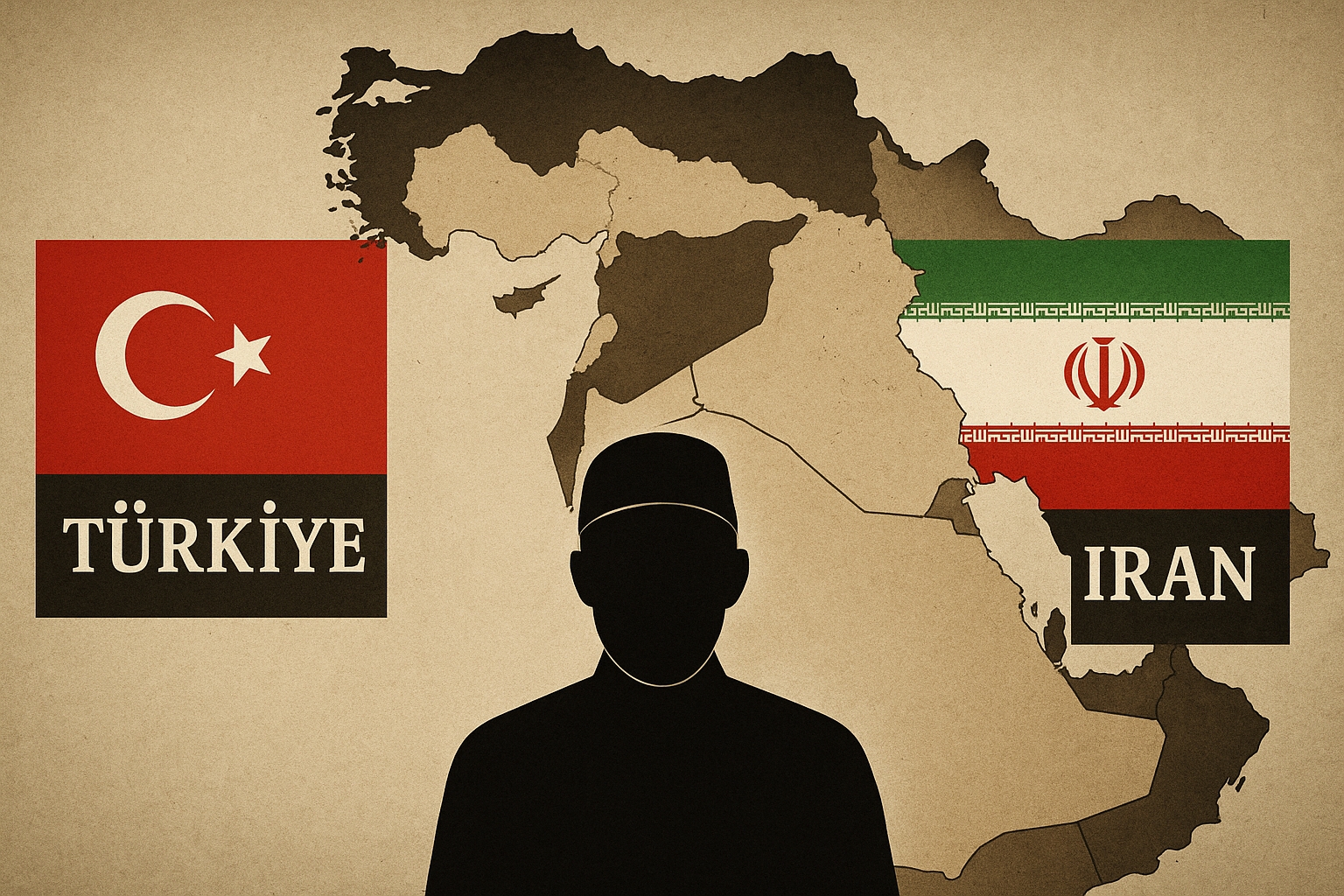
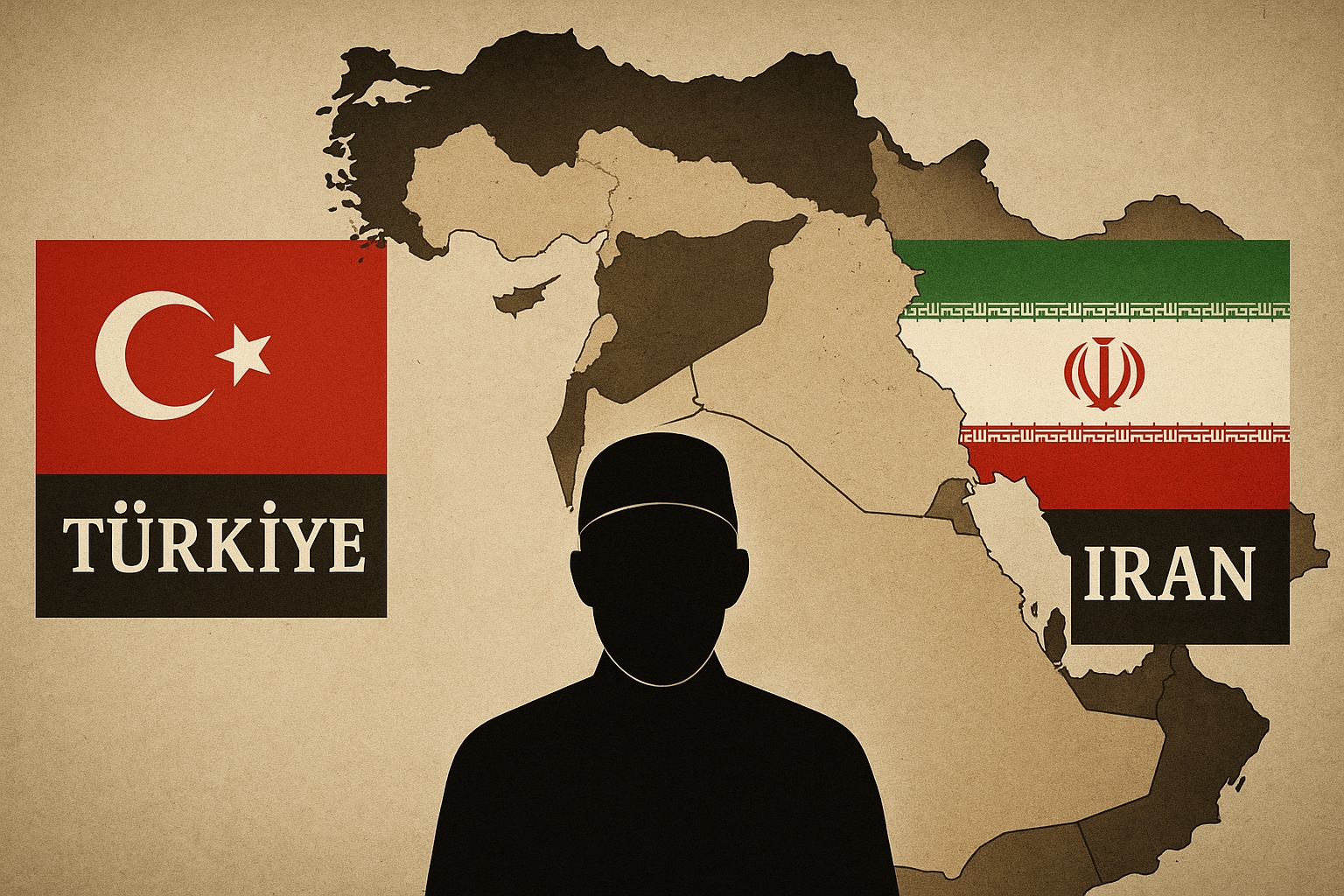
When Turkish Foreign Minister Hakan Fidan visited Iran on November 30, regional media outlets began speculating that his visit marks the beginning of a special cooperation phase with Tehran.
This is unlikely to be the case, but Turkish-Iranian relations are also not going to regress anytime soon.
Let’s first consider why it is unrealistic to expect the AKP-led Türkiye to initiate a strategic alliance with Islamic Iran.
The greatest obstacle to Turkish-Iranian alliance remains the persistence of west-centric instincts within key segments of the Turkish political establishment.
Unlike Iran’s political elite—whose worldview is unmistakably reshaped by the 1979 Islamic Revolution, Türkiye’s ruling caste remains intellectually anchored in the institutions, assumptions, and approval mechanisms of the Euro-Atlantic order.
This class, shaped by western universities, NATO structures, and decades of ideological grooming, still internalizes the notion that Ankara’s interests are best served by band-wagoning with Washington.
It is a political milieu that lacks principled strategic thinking.
Its loyalties shift according to short-term tactical benefits, IMF pressure, or elite anxieties about upsetting the western security umbrella.
Even when Turkey defies the US rhetorically, its policy reflexes remain tied to the belief that Ankara must never cross NATO’s “red lines” too dramatically.
This entrenched psychological dependency is what prevents Turkey from fully capitalizing on the opportunities created by the decline of US hegemony and from building a consistent, sovereign geopolitical strategy shared with Islamic Iran.
However, both Iran and Turkey operate in a regional environment where western-managed narratives and sectarian tropes no longer carry the same mobilizing power.
Tehran and Ankara have shown a remarkable ability to manage disagreements with maturity.
Despite being on opposing sides in Syria, they avoided the escalation western capitals and their regional surrogates anticipated.
Their cooperation has challenged America’s longstanding assumption that Muslim states can be easily played against one another.
For Washington, London and Paris, the sight of Turkey and Iran coordinating, even selectively—is a disruption of the standard neo-colonial operating procedure.
Yet external actors are not the primary risk to Turkish-Iranian stability.
The greater danger comes from within the Muslim world itself: political operatives, social media personalities, and ideological rank-and-file who indulge in reckless sectarian rhetoric.
Now, why will Ankara and Tehran continue coordinating?
The simple answer is that coordination serves both countries far better than friction ever could.
The more meaningful question, however, is what form this coordination will take in the near future?
Given Israel’s sustained bombardment of Syria—aimed not merely at keeping it weakened but at pushing it toward full institutional collapse—Ankara may find it strategically prudent to offer Tehran limited concessions on the Syrian file.
Most notably, Türkiye will likely instruct its proxies to turn a blind eye to Hizbullah’s informal logistical networks operating inside Syria.
This, in turn, will trigger an aggressive political response from Israel against Türkiye and inadvertently deepen the zionist regime’s already expanding regional quagmire.
Ankara’s quiet accommodation of Iran’s logistical networks in Syria would be interpreted in Tel Aviv as an intolerable breach of the informal red lines that Israel believes it has imposed on regional actors.
As a result, the zionist regime will escalate its military aggression inside Syria, including strikes on Ankara-backed factions.
Such aggression, however, will have unintended consequences: it will catalyze an organic and broad-based Syrian resistance to Israel.
Groups that may have little affinity for Iran or Hizbullah will nonetheless find themselves compelled to push back simply because Israel is openly targeting Syrian territory and local actors.
In effect, Israel’s attempt to neutralize Iran’s influence will end up mobilizing a wider spectrum of Syrian forces in opposition to its presence.
It will deepen Israel’s regional quagmire in which it is stuck since 2023.