 Archives
Multimedia
Donate
About
Sign In
Archives
Multimedia
Donate
About
Sign In



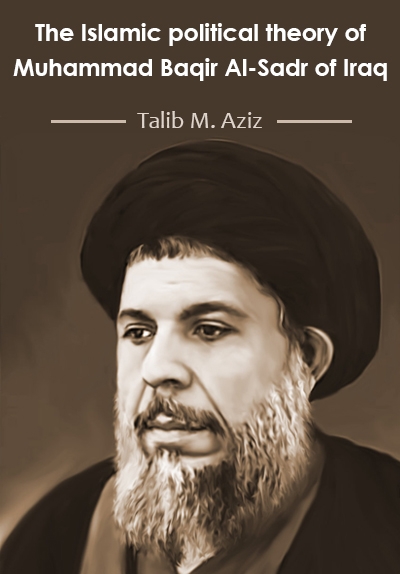
The major theme of the dissertation is to expound on the political thought of the religious activist from Iraq, the late Muhammad Baqir al-Sadr. The study is divided into three parts. The first is designed to introduce Sadr to the readers. The emphasis was given to Sadr's political activism from 1958 when he participated in the formation of the first Shia political party, Islamic Da'wa, to his violent death by the Ba'thist regime in Baghdad in 1980. The second part aims at setting the parameters of the definition of the political theory in order to help underpin Sadr's political thought and evaluate its merits. Finally, the main part of the dissertation is the third chapter in which Sadr's political thought is systematically and thoroughly analyzed. Sadr's major political concepts about man, society and the state are introduced, his interpretation of the historical process is scrutinized, and his political program in ending social contradictions is examined.
1The great Islamic revolution of 1920 led by the `Ulama’ in Iraq became known as the `Revolution of 1920' as it took place on the 30th of June 1920, and as most of those who wrote of it dated their articles and the events of the revolution according to the Christian calendar.